
Best markets in California: find options near you
California’s diverse landscapes are home to some of the most iconic and culturally rich trading hubs along the West Coast. These bustling locales offer more than just commerce—they serve as living testaments to the state’s multicultural heritage, where fresh produce, artisanal goods, and global flavors converge. From historic districts to modern-day emporiums, each spot reflects the unique spirit of the communities they serve.
The best gathering places for shoppers and food enthusiasts in the Golden State go beyond mere transactions, blending tradition with innovation. Whether nestled in urban centers or tucked away in scenic rural towns, these destinations attract visitors with their authenticity, variety, and the warmth of local traditions. Their influence extends far beyond shopping, shaping the culinary and social fabric of the region.
Discover 10 outstanding options for markets in California
Here are 10 outstanding options for markets in California based on value for money:
1. Ferry Building
Tuesday: 6 AM – 10 PM
Wednesday: 6 AM – 10 PM
Thursday: 6 AM – 10 PM
Friday: 6 AM – 10 PM
Saturday: 6 AM – 10 PM
Sunday: 6 AM – 10 PM
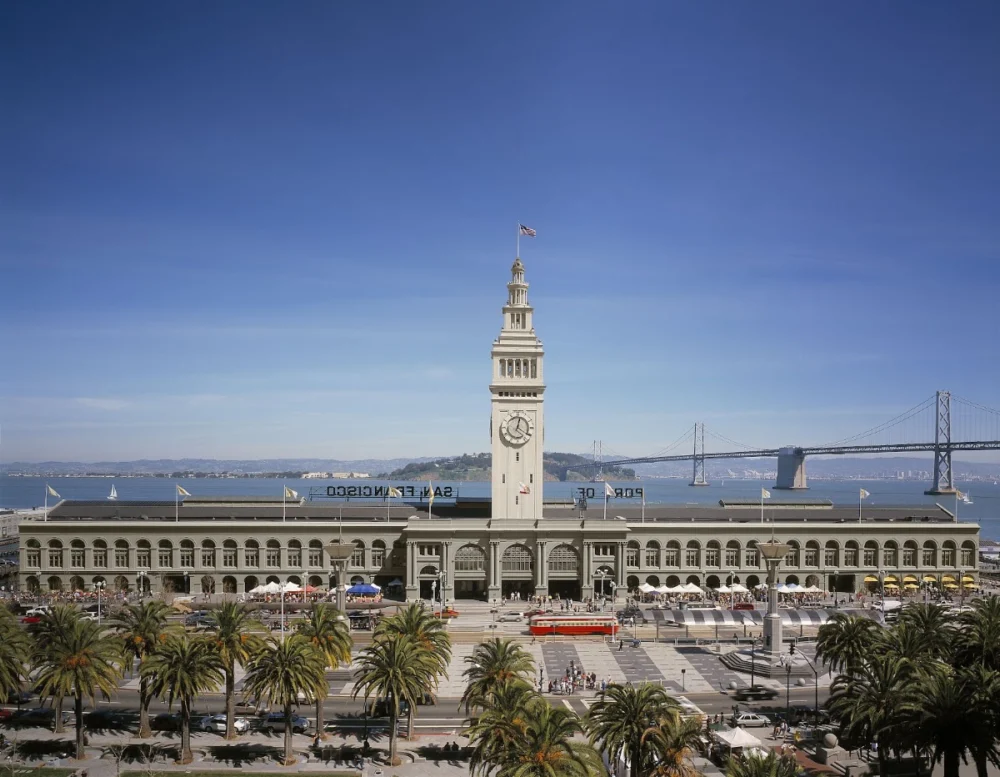
The Ferry Building stands as a distinguished landmark along San Francisco’s waterfront, blending historic charm with modern energy. Its iconic architecture frames breathtaking views of the Bay Bridge and bay, creating an ideal spot for leisurely exploration. Inside, a curated selection of local eateries, specialty shops, and artisanal vendors offers everything from freshly shucked oysters to handcrafted pastries, ensuring a rich culinary experience.
A prime destination for both locals and visitors, the building’s central location makes it easily accessible, whether by foot, transit, or the nearby parking at 301 North Embarcadero. The lively atmosphere extends outdoors with seasonal farmers markets, while the spacious seating—indoors and along the water—invites relaxation. A must-visit for its seamless mix of scenic beauty, culture, and gastronomy.

The Ferry Building is a fantastic place to visit in San Francisco. The architecture is beautiful, the waterfront views are incredible, and there’s an excellent variety of local food, coffee, and specialty shops. It’s a great place to walk around, grab a meal, or simply enjoy the atmosphere. Whether you’re a local or a visitor, it’s definitely worth stopping by.

The Ferry Building is one of those San Francisco icons that always delivers. Inside, you get that perfect mix of history, waterfront views, and incredible food, from fresh oysters to artisan bread and small local shops that make wandering the halls feel like a treat. It’s bright, lively, and full of that classic SF energy. And if you’re driving, there’s a parking lot at 301 North Embarcadero, just a few steps away, which makes the visit even easier. A must-stop whether you’re grabbing a bite, exploring the farmers market, or just soaking in the Bay.

Stopped by on an early Friday morning to check things out and have a quick bite for breakfast. Sunny with beautiful views. Clean and quiet with just the right amount of buzz from folks queing at the various coffee shops and restaurants. Unless you get lucky, you're likely to end up parking a few blocks away. However, parking meters aren't enforced until 9 am (check them closely as this may vary by location).

I make it a point to visit the San Francisco Ferry Building every time I’m in San Francisco—especially for the Saturday farmers market. It’s always such a fun experience! There are so many vendors offering delicious food that I never have enough room to try everything in one visit. The atmosphere is vibrant, the food is amazing, and the view of the Bay Bridge is absolutely beautiful. I also love just standing there and watching the birds flying around—it adds to the charm of the place. Definitely a must-visit spot when you’re in SF!

The Ferry Building is one of the best spots on the San Francisco waterfront. Sitting right on the Embarcadero with the bay in front of you, the views are hard to beat, from the Bay Bridge to the water to the city skyline behind you. It is a great vantage point to take the whole place in. The location could not be more central. You can walk the waterfront, hop on transit, or wander into the marketplace inside, which is packed with good food and local vendors. The clock tower makes it easy to spot from anywhere along the water. We spent time here and loved it. Great views, great energy, and a perfect place to soak in the city by the bay. Highly recommend making it a stop.

Ferry Building and the Embarcadero walk is a must when you’re in San Francisco. Great place to dine as there are dozens of restaurants and shops where you can get drinks, dessert, sandwiches, oysters, steak, seafood, spices, olive oil, Italian deli and gifts. Plenty of seating available, especially outside benches and tables to enjoy the view. There is also a cute bookstore, kids will enjoy the children section.

Lovely weekend farmers market outside. Enjoyable boutiques and restaurants inside. Beautiful view of the Pier. Great for families, couples, or solo excursions. Bustling yet relaxed. Pastries, fish, desserts, fruits, juices, art, jewelry, and much more.
2. Grand Central Market
Tuesday: 8 AM – 9 PM
Wednesday: 8 AM – 9 PM
Thursday: 8 AM – 9 PM
Friday: 8 AM – 9 PM
Saturday: 8 AM – 9 PM
Sunday: 8 AM – 9 PM
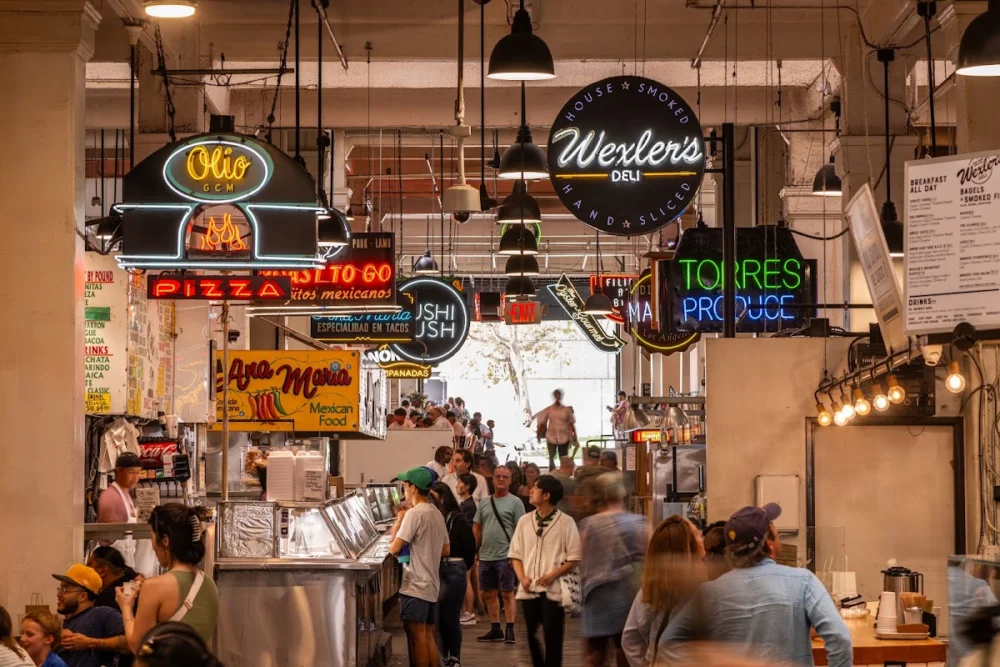
Grand Central Market in Los Angeles is a culinary hub where diverse food cultures converge under one roof, offering everything from artisanal pastries to hearty Asian dishes. The high-quality ingredients and generous portions reflect a commitment to flavor and freshness, making it ideal for groups with varied tastes. Seating is available, though peak hours may require patience, and the lively atmosphere adds to the experience.
With wheelchair accessibility and a mix of indoor and outdoor seating, the market ensures comfort alongside its bustling energy. While Wi-Fi availability may be limited, the focus remains on exceptional service—attentive staff and meticulous preparation elevate each visit. A must-visit for food enthusiasts seeking authenticity and variety in downtown LA.

★★★★☆ Great experience at Maccheroni Republic. The food was delicious, the restaurant and restrooms were very clean, and the space is wheelchair accessible. Our server, Carlos, was incredibly attentive, friendly, and helpful throughout the meal. The flan was outstanding — probably the best I’ve ever had. Extremely creamy and absolutely delicious. The only reason I’m not giving 5 stars is the Wi-Fi situation. I asked for the password and was told it could not be provided to customers, which felt a little unusual for a sit-down restaurant nowadays. Overall, excellent food and service. Definitely worth visiting — especially for the flan.🍮

Super fun vibe and the food was delicious and fresh. I would come back for sure. There is something for everyone. Rminded me of Spirited Away with all the food booths. There is literally anything and everything you want to eat. Went at lunch time and one of our group ate Italian and two of us had Thai. The food was hot and fresh with ample servings. The crab fried rice was enough for two people and we also had delicious chicken with sticky noodles. The flavor was perfect.

Our experience at the grand central market was great. The fact that you can eat from different cultures in just one spot is great! We tried the Donut Man, Knead Noods, Sticky Rice and about 2 or 3 more👍. You get a big portion for a reasonable price. There is inside seating and a bit of outside seating, but inside is better because you have massive ceiling fans. In the rush hours, it is packed, so there will be no tables left and a wait time.

Grand Central Market is such a cool spot with tons of food options all in one place. The energy is always lively, and there’s something for everyone no matter what you’re craving. It’s a great place to explore, try different vendors, and just enjoy the atmosphere. I had the ramen and chicken teriyaki, and both were really good. The ramen was flavorful and comforting, and the chicken teriyaki was cooked perfectly with great taste. Definitely worth it if you’re hungry and want something satisfying. It can get busy, but that’s part of the experience. If you’re in downtown LA, this place is a must visit!

I recently stopped by Grand Central Market and it’s one of those places that just feels alive the second you walk in. The energy is hard to miss—busy, loud, and full of people from all walks of life grabbing a bite. It’s not fancy, but that’s exactly the appeal. What I like most is the variety. You’ve got everything from tacos and BBQ to ramen and fresh pastries all under one roof. It’s perfect if you’re with a group and everyone wants something different. I tried a couple different vendors, and everything was fresh and packed with flavor. You can tell a lot of these spots take pride in what they’re serving. Seating can be a bit of a challenge, especially during peak hours, so don’t expect a quiet, relaxed meal. It’s more of a grab-your-food-and-find-a-spot kind of place. But honestly, that’s part of the experience. It feels authentic and unpolished in a good way. Prices are reasonable considering the quality and the location in downtown L.A. It’s also a great place to just wander, try something new, and maybe step outside your comfort zone a bit. Overall, I’d definitely go back. It’s not about a single restaurant—it’s about the whole experience. If you enjoy food halls with character and great variety, this place is worth the visit.

If you are going to visit Downtown LA you can't miss stopping by Grand Central Market. The energy is unmatched, though navigating the crowds and choosing where to eat can be a bit overwhelming. We decided to try Villa’s Tacos, and it was hands-down the best decision. Their "maximalist" style of taco is so unique—the combination of the thick blue corn masa tortilla, the molten Monterey Jack cheese skirt, fresh guac, and cotija cheese is incredible. Every ingredient tastes high-quality and fresh. Tip: The market gets incredibly busy on weekends, be prepared to hunt for parking and wait in a bit of a line at Villa's—but it moves fast and is 100% worth it.

Food: there is any food you can imagine here, and it’s all extremely good. We walked around for a few minutes to see what there was, and I ended up getting a pupusa and two empanadas. Both were delicious, but a special shout out to the pupusas. They are fresh, handmade, and you can watch the staff stuff the filling into the dough and put it on the grill. So much flavor in those things, I love it. Service: it did take a while to get my pupusa, but that said, it was one of the more popular restaurants in the market. Worth the wait in my opinion. Be prepared to wait a while anywhere you eat, especially if it’s crowded. Atmosphere: this is the best part of the market!! A perfect LA experience for those visiting. There is seating everywhere across the market, but it fills up super quickly since there are so many people in there.
3. Oxbow Public Market
Tuesday: 7 AM – 9 PM
Wednesday: 7 AM – 9 PM
Thursday: 7 AM – 9 PM
Friday: 7 AM – 9 PM
Saturday: 7 AM – 9 PM
Sunday: 7 AM – 9 PM
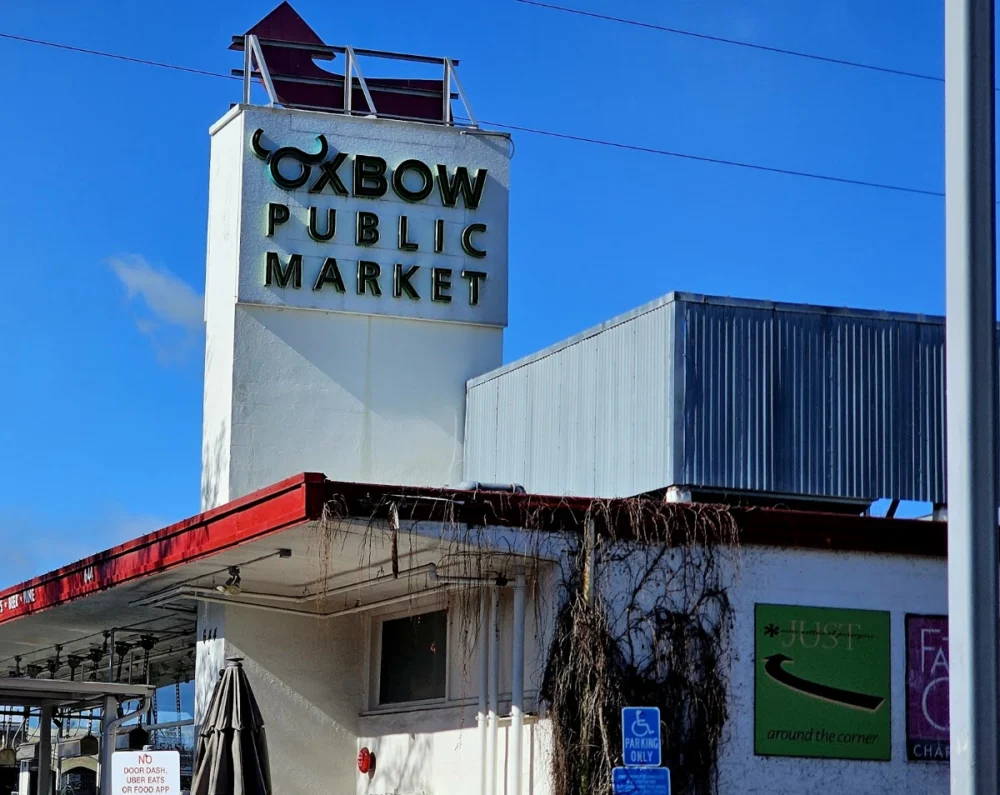
Oxbow Public Market in Napa offers a curated selection of local eateries and shops, blending a relaxed food hall atmosphere with an inviting outdoor setting. Visitors can explore a diverse menu, from fresh seafood at specialty vendors to hearty sandwiches and artisanal coffee, ensuring options to suit varied tastes. The market’s afternoon and early evening hours often provide a more leisurely experience, with ample seating and a welcoming ambiance.
Conveniently located near wineries, it serves as an ideal starting point for tastings, with plenty of dining choices to complement the visit. While parking can be limited, nearby street options and a clean, family-friendly restroom enhance accessibility. The market strikes a balance between casual exploration and quality offerings, making it a standout destination in the area.

We had a 2:30 PM reservation at Domaine Carneros, so we stopped by Oxbow Public Market to grab a quick bite before our wine tasting. Oxbow has so many great food choices, but we ended up choosing Hog Island Oyster Co and it ended up being the perfect lunch spot! They were packed and service was a touch slow at the bar but the food completely made up for it. We shared fresh oysters, my bf ordered Po’Boy sandwich with pickled veggies, and I ordered the grilled squid salad. I was hesitant about ordering the salad at first, but it completely blew me away! The tender grilled squid and mushrooms in a light dressing were so fresh and delicious! Definitely the ultimate light lunch before wine tasting. Oxbow has a wonderful vibe, outdoor seating, and plenty of food choices. The parking lot is small, but street parking is permitted nearby. Highly recommend checking them out if you’re in Napa!

Neat collection of shops and restaurants! Better situated To visit in the afternoon or early evening when everything is open. Tons of selection of food to try as well as shops to go through. Definitely worth a stopped through if you are in the area.

Great place to start your exploration of Napa. Lots of tasting opportunities to get you started as most wineries close at 5pm. So you can sample what you may have missed. Plenty of dining options. You can find something to please everyone in your group.

Interesting visit, with multiple eating options. Attractive, but more of a foods hall than a market in our humble opinion.

Stopped by the Oxmo Public Market around the same time on a Monday afternoon and it was not busy at all. It felt cozy and comfortable, making it a nice place to walk through without feeling rushed. There was plenty to look at and enjoy, and the overall vibe felt relaxed and intimate. On a day like today, parking was available, though I am not sure how it is on busier days. There is also street parking nearby. For those with kids, the restroom has a changing table, which was appreciated.

We had fun walking around the little shops and seeing a lot of local treats. Good options for quick bites or sit down lunch/dinner. We sat down at the coffee shop and had a nice time. The public restrooms are very clean.

Really enjoyed the pizza place. The pizza, the Ceaser, and the calamari were perfect! We were going to Hog Island for oysters but the prices were sooo expensive. It's a milky oyster month. We were Soo happy with the pizza best I've had in 10 years. We will probably never go back to Hog Island again
4. River Park Shopping Center
Tuesday: 8 AM – 10 PM
Wednesday: 8 AM – 10 PM
Thursday: 8 AM – 10 PM
Friday: 8 AM – 10 PM
Saturday: 8 AM – 10 PM
Sunday: 8 AM – 10 PM
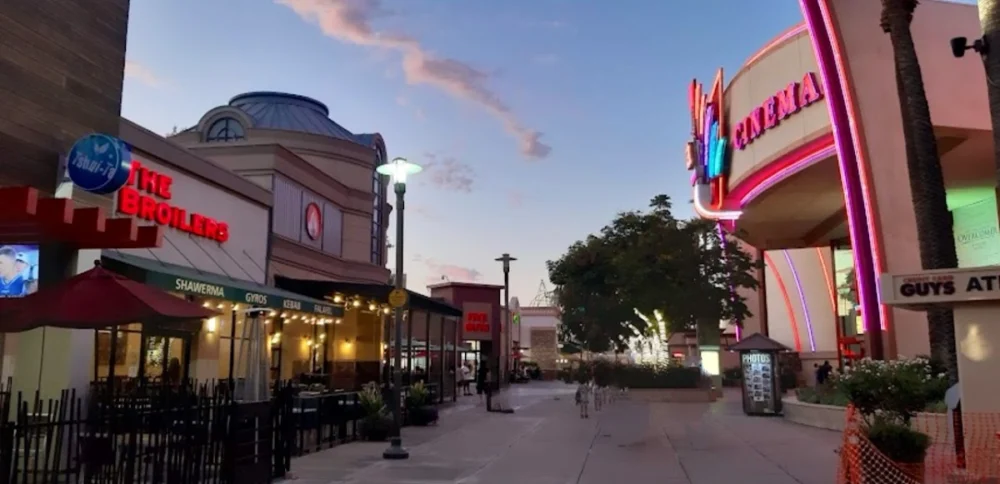
River Park Shopping Center in Fresno stands out as a family-friendly destination offering a blend of retail therapy and entertainment. With a diverse selection of stores—from major chains like Macy’s and Kohl’s to specialty shops—visitors can find everything from gifts to the latest fashion trends. The center also features a playground near the movie theater, ensuring kids stay engaged while parents browse or dine. Convenience is further enhanced by a spacious, free two-level parking structure, reducing wait times during peak hours.
Beyond shopping, the center hosts seasonal events, including a popular Tuesdays-only farmers market and holiday festivities, adding a lively community touch. Accessibility is prioritized with wheelchair-friendly pathways and service dog accommodations. While the open-air layout may require shade planning during summer afternoons, the ambiance transforms beautifully as evening lights illuminate the space. Whether for a quick errand or a full-day outing, River Park balances practicality with an inviting atmosphere.

They have a playground for the kids by the movie theater and a variety of places to shop. They have a double story parking structure that is free to use in the back for when it gets busy. They have upped the security walking around and they do a really great job of making sure they actually supervise the area. I love that they are always updating the area and keep it looking new. I think that helps keep the customers coming in. Great job Riverpark.

Riverpark has lots to do for the whole family. Businesses in the area include Regal Cinema Yogurtland Teazers Macy's Me & Eds Color Me Mine Wetzel Pretzel Jamba Juice Five Guys Kohls Nike Unite Five Below Barrel House Brewing During the summer months they host a farmers market on Tues nights. They host many diffrent events for the holidays. There is always something to do at Riverpark for all the age groups. My friends and I enjoy the outdoor music that is played by local upcoming artists at Barrel House Brewery on the weekends.

Really nice place to spend a little time with friends and family. And definitely a great place to find a gift for almost any occasion for most ages and all genders. Lots of different restaurants to get something to eat or snack . Plenty of stores to shop . Is service dog friendly and has access ♿ available. The all around vibe is great just depends on what time of day your deciding to come I think the best time to be around this shopping center is around 4pm and or a little later than that because there not a lot of shade around there so If your sensitive to the heat take some water with you and a good little hand held fan. At the end of the day river park is definitely a vibe especially when the sun starts to go down and the lights come on it's gives the area a different type of setting . Just remember you will most likely be spending any where from 10$ to 200$ possibly more depending on if your by your self with friends or family and what you choose to do. Whatever you decide enjoy your time here and enjoy the little things in life and with one another . If this review helps you in any way please give me a thumbs 👍.

Convenient and it literally has every kind of store including Sam's Club. Recently moved from SF to fresno and loving it here because the cost of living is absolutely affordable, huge space and amazing people. This prestigious mall located in an amazing , and in one of the best part of the city of Fresno. They have an outstanding , outdoor flea market with a huge variety of food selection on Tuesday and Saturday which bring a lot of people to see it. They recently added another parking space to accommodate people’s needs. Great food for brunch , lunch and dinner . Macys is one of the best places in town , movie theaters are very entertaining and many more .. highly recommend this place for your and your family and even spend time sitting with them if needed .Farmer market , entertainment, sports bar , clothing and overall safe area for spending night time with family.

Great mall with a lot of seating area and nice atmosphere

I haven’t been here for the longest since I moved out of state. It feels great to be back home. Everything still look the same except they got rid of Yoshino sushi restaurant and a few others. There’s new restaurants that are open since I moved. I was trying to come to the farmers market but came a little too late.

We visited River Park in Fresno California for my little cousin's first birthday party.This shopping center has a lot of retail stores restaurants, and sports bars and theaters, it’s really nice. Me & Ed’s Pizza Where the birthday celebration was held rents out rooms /sections for birthday parties. There is a children’s section teen section with many arcade games. There’s also an adult section with a full bar and plenty of TV to enjoy your sports game. The prices are reasonable. I bought a bucket Stellas for a good price.
5. Denio's Farmers Market & Swap Meet
Tuesday: Closed
Wednesday: Closed
Thursday: Closed
Friday: 9 AM – 2 PM
Saturday: 7 AM – 3:30 PM
Sunday: 7 AM – 5 PM
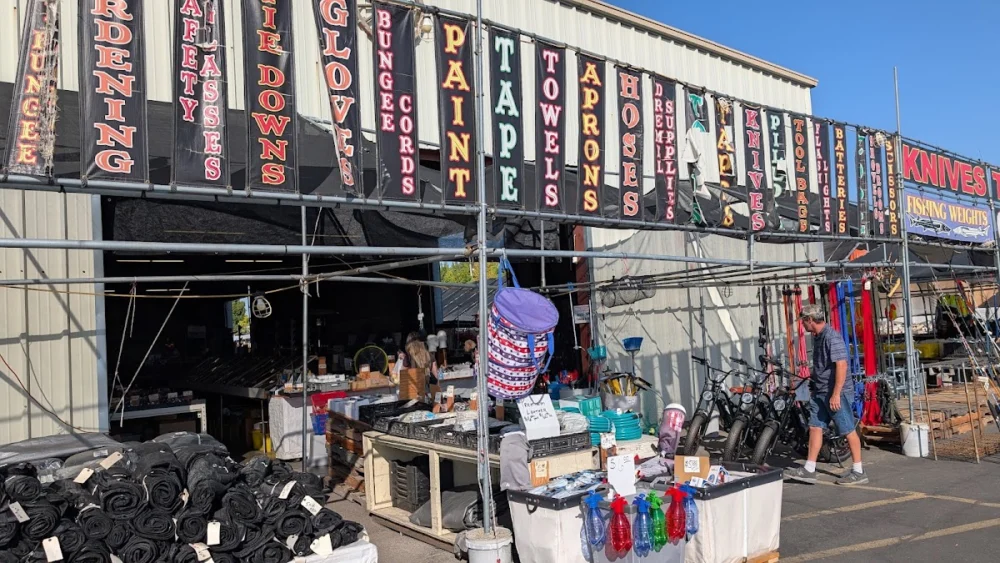
Denio’s Farmers Market & Swap Meet in Roseville is a sprawling destination blending a traditional swap meet with a bustling farmers market. Visitors can explore a vast array of booths, from eclectic yard sales to unique collectibles, alongside fresh produce and artisanal goods. The market offers a mix of affordable finds and seasonal specialties, with many vendors providing samples to enhance the shopping experience.
While the event attracts a diverse crowd, it’s worth noting that food prices can be steep, and some vendors operate on a cash-only basis. Parking is reasonably priced at $5, and the market maintains a clean, organized atmosphere. Early arrivals are encouraged, as some vendors may close by mid-afternoon, making it ideal to plan visits accordingly.

Have been coming to Denio’s for a long time. It’s a giant swap meet and you’ll wear out your feet walking around, the place is massive. I always find the weirdest things when I search the booths. Lots of yard sales, miscellaneous junk and brickabrack. The farmers market is probably the best thing about this place though. Great prices and the vendors will let you sample pretty much anything.

While I still like coming out, it's not like it use to be. Got here early to bet the heat and most of the vendors were closed, even at 10am still closed. If they want to be here the should be open at a reasonable time.

Very large and expansive market. Only $5 to park and free entry. The market was very clean and organized. It seemed, however, most vendors are resellers selling 'Made in China' Temu/Aliexpress items and/or price their items at ebay prices. Not much of a bargain if that is what you are looking for.

Today's 11/23 2025 Sunday morning. There is a $5 parking fee so be warned. Other than that you can fitl as many people as you can in the car and all of them come in for $5. The place is a lot bigger than I expected. Everyone there is a true reseller. You really won't find any bargains here. Everyone there was selling prices like on eBay or amazon. What's the point of going to a swap meet for those prices.

Love this place been coming here scene i was a kid my family lived across the street. But Amy way took my grandson here last weekend and just surprised of price increase on all food items went to get a slerrpy and was going to use my card she said there is a 40.00 dollar min .and cards I mean really .burger 17.00 really thank got for tacos lol. But grandson wanted a burger. Not even frys and a drink was over 27.00 . I mean burger for kids and frys .the 40.00 min is just so ridiculous ty

We went to see the annual yard sale sellers. Good walk around. Had not been here in years. As with everything times have changed. Glad to see denios letting more independent food sellers vend there own menus and Even saw a Barber shop! Found a few things of value, and saw old friends

It's always a place to go to get fun stuff, even some of the things one needs and best part is that you can weel and deal 🤝 only downside is the food and drinks are ridiculously priced. And bring cash! Some vendors only use it. They have live bands and a place to sit and eat, even dance. It's a family oriented place and soo many treasures! Come early vendors close as early as 2:30 ! Stays open till 4:30pm!
6. Smorgasburg (Los Angeles)
Tuesday: Closed
Wednesday: Closed
Thursday: Closed
Friday: Closed
Saturday: Closed
Sunday: 10 AM – 4 PM
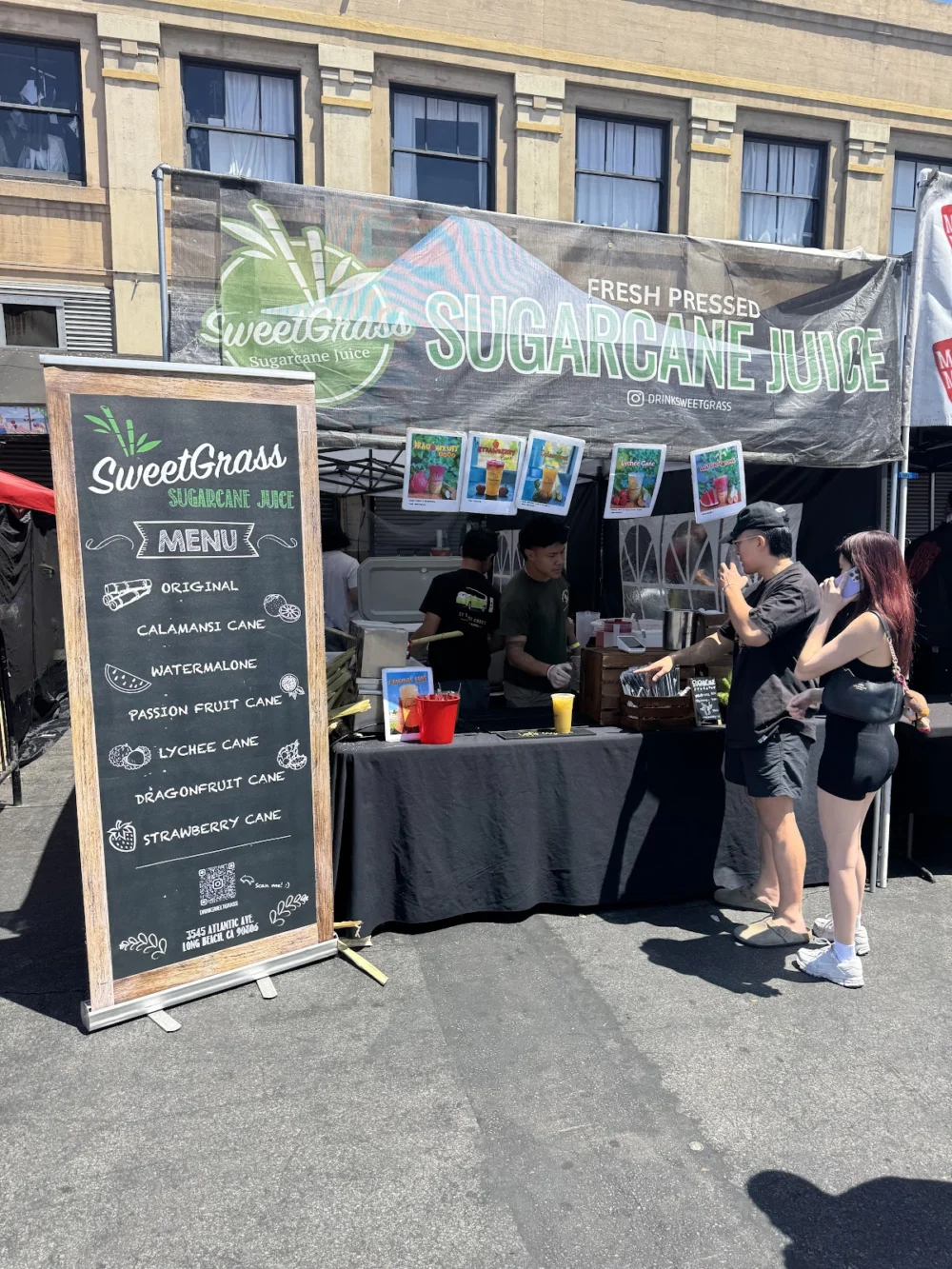
Smorgasburg in Los Angeles is a celebrated weekend food market that brings together diverse culinary talents under one roof. With a rotating selection of vendors, visitors can explore everything from globally inspired street food to artisanal desserts, making it a dynamic destination for food enthusiasts. The lively ambiance, often enhanced by live music, adds to the experience, ensuring a memorable outing for groups or solo explorers alike.
While seating can be limited, the market excels in offering high-quality, varied dishes, though prices may reflect its premium offerings. Pet-friendly policies and a commitment to supporting small businesses further enrich the atmosphere. Attention to cleanliness, particularly in restroom facilities, remains an area for potential improvement, ensuring future visits continue to deliver on its reputation for excellence.
Smorgasburg Los Angeles is an absolute must-visit for food lovers! I was lucky enough to visit during their 10th anniversary, which made the experience even more special. The atmosphere was incredible, with great music, amazing vibes, and an outstanding variety of food from so many talented vendors. Whether you're looking to try something new or simply enjoy a fun afternoon, this place has it all. One of my favorite experiences in Los Angeles! 🌮🎉☀️

I love this place! My go to spot with my girls at least once a month. We watched the FIFA World Cup today and it was PERFECT! There is so much variety that I was munching on something throughout the entire game. Today I had a Jamaican beef patty, sticky rice/mango, Thai tea, and guava/dragon fruit ice. I've had their barbeque and other things in the past as well an every is always so good. Check em out if you are in town, it won't disappoint . 😋🤤

The selection of food was nice a variety of different cuisines and desserts, the seating was a bit hard to get since they were limited. Pet friendly I saw several people with their pets and alot of small business ventures, my only issues were no handwashing stations and the restrooms were dirty and smelled.

Love that this exists in LA. I thought there would be more options but still a good selection. Glad it changes out. A lot of the food was overpriced and just mid options. I tried a lot of different stations. Surprisingly, what I enjoyed the most was a vegan burger / slider from Champignon eats, mushroom dumplings from I think dumpling dream (forgot the name from where) and the whipped banana pudding flight!

Super delicious churros and the vegan corn dog from stick talk was pretty good! The spicy one tasted like chorizo but the outside breading was delicious. Spam musubi is my favorite but their garlic noodles were unimpressive in my opinion. It wasn't garlicy just very savory.
7. Little Italy Mercato Farmers' Market
Tuesday: Closed
Wednesday: 9:30 AM – 1:30 PM
Thursday: Closed
Friday: Closed
Saturday: 8 AM – 2 PM
Sunday: Closed
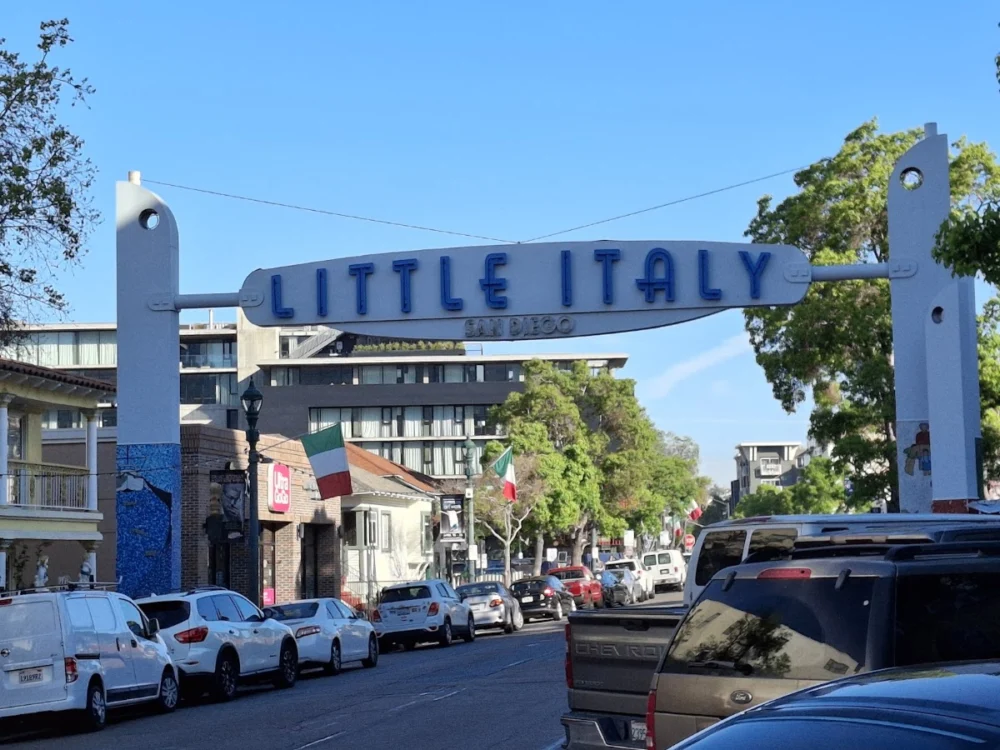
The Little Italy Mercato Farmers’ Market in San Diego stands out for its diverse selection of fresh produce, artisanal foods, and vibrant local goods, offering everything from seasonal fruits and flowers to specialty baked goods and handcrafted items. The market thrives as a culinary hub, with food vendors serving everything from smoothies and dips to vegan and gluten-free treats, all crafted with high-quality ingredients.
Set in a charming, walkable neighborhood, the market blends a relaxed atmosphere with ocean views, making it an ideal spot for a leisurely stroll or a quick meal. While primarily a food and grocery destination, it also features a few unique artisan stalls, adding a touch of local creativity. Best visited early to avoid crowds, it’s a must for those eager to explore San Diego’s local food culture and community-driven shopping.

This was by the best farmers market we’ve ever been to. This was our first trip to San Diego and I’m glad we spent time here. So many booths to stop at including all the oranges you could imagine. The fresh flowers were beautiful and we were able to grab small bites of food along the way. We grabbed a few bottles of hot sauces too!

Little Italy is definitely worth visiting at least once. The area is clean, walkable, and has a nice atmosphere, with plenty of restaurants and cafés to choose from. It’s also nice that you can catch views of the ocean nearby, which adds to the experience. That said, there isn’t a whole lot to do besides eating and walking around. I also found the customer service in several of the shops to be a bit cold or unwelcoming, which took away from the experience. Overall, it’s a cool neighborhood to explore for an hour or two, especially if you’re looking for a meal, but I probably wouldn’t plan to spend an entire day there.

Oh my gosh, if you visit, but didn't get to go this place, you are missing out! It was one of the most fun farmers markets I've been to! Lots of unique shops, fresh fruits, veggies, and flowers 🌹, a various food options. We walked a lot, but it was so fun to walk around. A couple musicians set the tone.

I absolutely loved this market. I honestly did not anticipate it being this crowded, but once you walk through it, you completely understand why. There were so many unique products and vendors everywhere you looked. I will say, this is much more of a food and grocery-style market than an arts or shopping market. Most of the booths were focused on fresh produce, bakery items, edibles, smoothies, dips, plants, and specialty foods. Toward the end of the street and up the incline, there were a few vendors with custom leather aprons, handmade jewelry, and artisan goods, but those were very limited and could honestly be counted on one hand. We ended up trying smoothies, gluten-free and vegan bakery items, cookies, hummus dips, and a few other snacks, and everything we had was genuinely delicious. Highly recommend overall. This is more than just a market stop, it’s an experience, especially if you enjoy exploring local food culture and walking through lively crowds and vendors.

Lovely!!!!! Went on a Saturday around 12 (probably the busiest time) and it was VERY crowded. Next time I'd arrive earlier. Arrive hungry because there are so many food vendors you don't want to miss out on!
8. Public Market Emeryville
Tuesday: 10 AM – 9 PM
Wednesday: 10 AM – 9 PM
Thursday: 10 AM – 9 PM
Friday: 10 AM – 9 PM
Saturday: 10 AM – 9 PM
Sunday: 10 AM – 8 PM
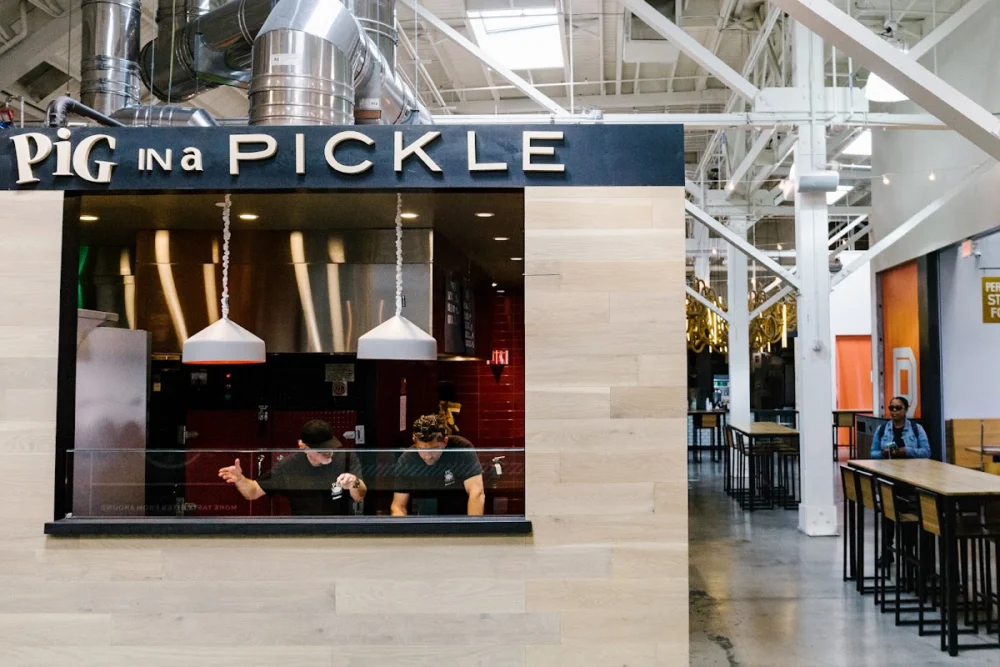
Public Market Emeryville is a diverse food hub offering a mix of indoor and outdoor seating, where visitors can enjoy everything from wood-fired pizzas and fresh seafood to authentic Korean and Japanese cuisine. The market stands out for its community-focused atmosphere, hosting events like trivia nights and live music, making it a lively spot for groups or solo diners alike.
While some vendors close relatively early, the convenient location and variety of options—spanning vegan treats, craft beer, and global flavors—ensure there’s always something appealing. The open layout and periodic gatherings foster a relaxed yet engaging experience, ideal for both casual meals and social meetups.

Public Market Emeryville was just a hop and a skip from our hotel so we ended up there a couple times. One night we had Japanese tonkatsu to go, and one night we ate in, having Korean bento box! Tuesday is trivia night with teams competing against each other, and although we didn't stay, we could hear the laughter and fun going on over the speaker. Big screen TV was great for the sports enthusiasts watching the world soccer series. Public market was really convenient for us since we were without a car. Easy to walk to, good people, great food!

Second time being here. The first time, there was a live band playing. It's pretty loud for us so we sat farther away. There were folks real close, so some people are fine with it.

There are so many great food options that everyone can find something they like, which makes it perfect for meeting up with friends. I also love that it’s a comfortable place to get some work done if you want a change of scenery. During the World Cup, they had the matches playing on projectors throughout the market, which created such a fun atmosphere and made it feel like a community event.

I haven't been here for many years and I remember back than that there were more restaurants and little eateries, now I only see a few places and a majority of the places close up early. Came here on a Saturday 6pm and most places were closing up at 8pm. Peet's coffee closed at 7pm… wth.. my group thought we could hang out here for a bit longer to catch up on times and ended leaving cuz there were not many places open. Good thing the pizzeria Mercato was still open until 10pm.

Great market to catch a meal whether you are going solo, with family or a larger group!

It would be a miracle if you couldn't find something to eat here that you'll like! No chain food, except for Peet's coffee. Sushi, vegan ice cream, wood-fired oven pizza, authenyic Bbq, Korean, Ramen, seafood, an evening bar…..etc. Central yo the over a dozen food stands are indoor and outdoor seating. Fun periodic events (e.g. live music, trivia night). Enjoy!

Nice layout of several food vendors. I enjoyed food from several of the vendors during an Eventbrite special summer party. Also enjoyed a few beers from the public bar.
9. Oceanside Sunset Market
Tuesday: Closed
Wednesday: Closed
Thursday: 5 PM – 9 PM
Friday: Closed
Saturday: Closed
Sunday: Closed
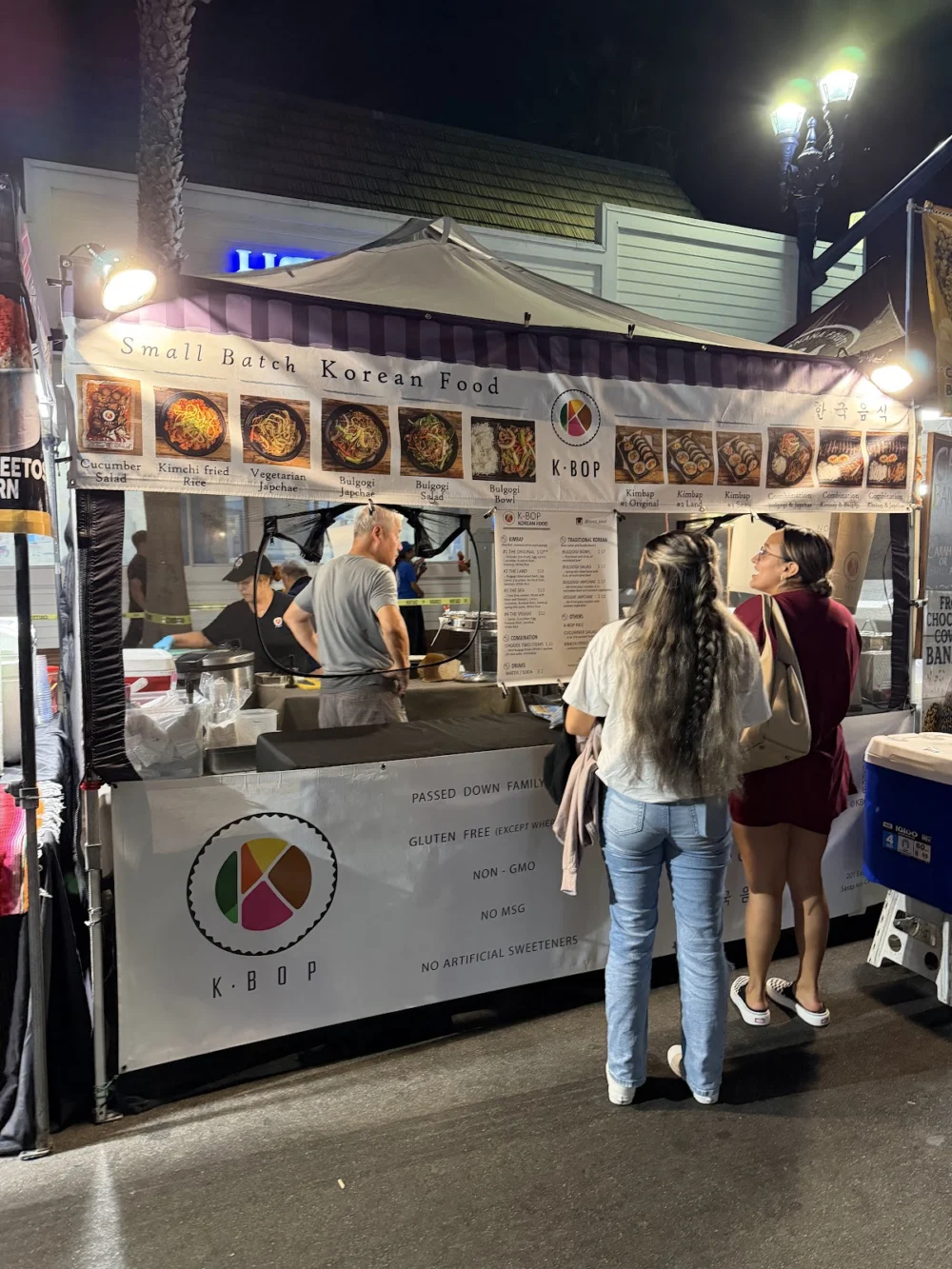
The Oceanside Sunset Market offers a delightful evening experience with a lively atmosphere and a diverse selection of food vendors. From fresh local dishes to international flavors, the market delivers a mix of authenticity and creativity. The presence of live music and street performances enhances the casual, festive feel, making it ideal for families, couples, or groups.
Alongside the culinary delights, the market features artisan crafts and small shops, though seating options are limited. Nearby establishments like Frankies provide a convenient spot to relax while enjoying purchases. The market’s charm lies in its ability to blend community spirit with a relaxed, engaging environment, perfect for a leisurely night out.

Really cool place to check out! Fun food and beautiful crafts. Some local celebrities to look for while you're there, we saw zeusthe_americanbully_ and another cute dog driving a car!

The Oceanside Sunset Market is an absolute gem and one of the best ways to spend a Thursday evening. The atmosphere is lively and welcoming, with streets full of energy, music, and incredible aromas from every corner. What really stands out is the amazing variety of food—you can travel the world in just a few blocks. Everything feels fresh, authentic, and made with care. On top of that, the live music and street performances create a fun, festival-like vibe that keeps you entertained the whole time. It’s perfect for families, couples, or just a casual night out with friends. Clean, well-organized, and full of local charm, this market truly captures the spirit of Oceanside. Highly recommended—come hungry and ready to enjoy!

Great market to check out! Tons of food options! I purchased a wonderful stained glass piece from NCM Glassworks! Not a lot of sitting options but go have a beer at Frankies, they’ll let you being in food from the market.

So many good people and food ✝️🙏🏻❤️

I genuinely look forward to Thursdays here in Oceanside. The vibrant food scene draws me in with a variety of mouthwatering options, from fresh seafood to tempting street tacos. I usually aim to arrive before 5 PM, as the atmosphere becomes bustling with people eager to indulge in the culinary delights. After savoring a delicious meal, I like to stroll down to the Oceanside Pier. The view at sunset is simply breathtaking, with hues of orange, pink, and purple painting the sky as the sun dips below the horizon. Watching the waves crash against the pier while the day comes to a close is such a peaceful experience. I love Oceanside…O'side 😁😊🥰

I didn't really know what to expect but was told it was a great market to visit. I enjoyed my time here, eventually finding food from 3 different vendors to keep everyone in the family happy. There's a great atmosphere, with live music and lots of people just milling around. I would have liked a few more non food stores to have looked at.

Been here a handful of times and it's pretty good. I enjoy farmers markets and night markets. This is similar to ones I've been to. The food is pretty good. The shops seem to be good too, but I don't really go for the shopping; more for the food. Some of the food stalls can be overpriced, but then again it is a sunset market.
10. California Market
Tuesday: 7 AM – 12 AM
Wednesday: 7 AM – 12 AM
Thursday: 7 AM – 12 AM
Friday: 7 AM – 12 AM
Saturday: 7 AM – 12 AM
Sunday: 7 AM – 12 AM
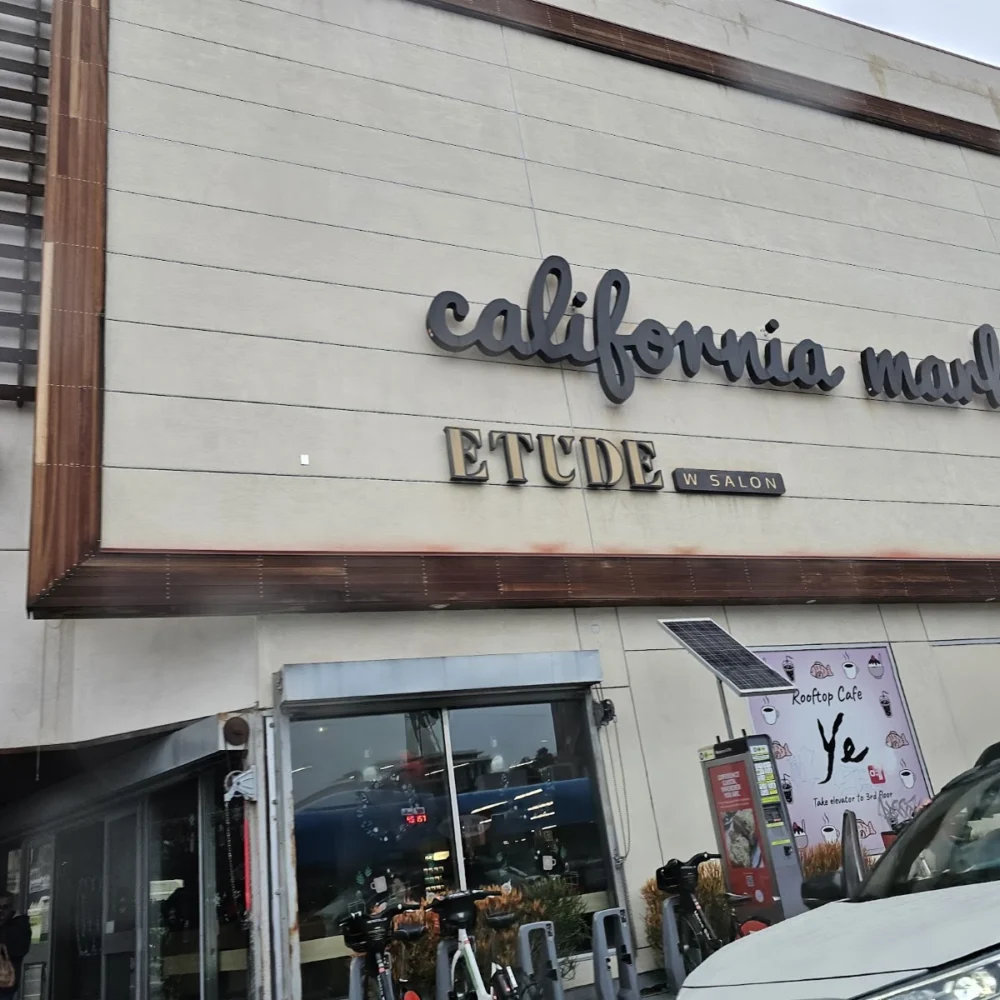
California Market stands out as a versatile grocery destination in Los Angeles, blending a curated selection of fresh produce, seafood, and specialty items under one roof. Its well-stocked aisles and affordable pricing make it a practical choice for shoppers seeking quality without compromise, while the occasional in-store cafes add convenience for a quick meal.
The market also features a massage service praised for its professionalism, offering a serene escape for those in need of relaxation. While some visitors highlight standout products like kimchi and kimbop, occasional inconsistencies in food quality—particularly in prepared items—suggest a need for closer attention to freshness and preparation standards.
Warning to women who shop here. This creep was following me around the grocery store. He would block the aisles and just stand there and staring at me menacingly. At one point he tried to touch me and got aggressive and even pushed my cart out of the way. I saw he parks at the car wash across the street and seems like he does it regularly. I told the staff but he rushed out. I felt extremely unsafe and thought he was going to get violent with me. Be safe ladies we can't even grocery shop in peace anymore

So disappointed today! I love California Market. Their Kimchi is awesome! I like to shop fresh veggies & meat too. BUT! Today, the Korean fried chicken I got from deli was SO BAD! TOO tough to chew. I thought my teeth will be chipped. My daughter & My husband couldn’t chew on it, either. We had to threw them away!🥲 What part of chicken are they using?? Too hard.

I had a wonderful massage with her! She is very professional, attentive, and has an amazing technique. She made me feel completely relaxed and took the time to focus on the areas where I had the most tension. I felt so much better after the massage. Highly recommend her to anyone looking for a skilled and caring massage therapist! ⭐️⭐️⭐️⭐️⭐️

California Market is a great spot for grocery shopping. It offers convenient parking, a wide selection of fresh fruits, vegetables, and seafood, and even has cafes inside for a quick bite. The prices are great, with everyday sales, and the friendly staff make the experience even better. Highly recommended!

The parking is free! Hard to come by in ktown. There's a great kimbop place inside and it's amazing for $8 you get so much!! The best kimbop.
How to find your ideal market at the best price in California?
Request help now to find the best price:
- Fill in the details and tell us what you're looking for
- We locate the best market in California near you
- The company contacts you
- Who receives your request: the featured businesses in this listing that have their own contact email (a few at most, taking turns). If there are none, it goes to the owner of this website.
- What for: so they can reply with a quote. Once it receives your request, each business handles your data on its own account to reply to you.
- Legal basis: your consent, which you give by ticking the box and can withdraw at any time by writing to the owner of this website.
- How long it is kept: 1 year on this website; after that it is deleted.
Catalog of services offered by markets in California
Farmers’ Markets and Direct Vendor Sales
California markets predominantly feature farmers’ markets and direct vendor sales, offering a direct connection between producers and consumers. This model emphasizes seasonal produce, supporting local agriculture and fostering a strong community connection. The focus is on fresh, often organic, goods, prioritizing quality and sustainability.
Community Supported Agriculture (CSA) Programs
Many markets facilitate Community Supported Agriculture (CSA) programs. These programs provide consumers with regular shares of produce harvested directly from local farms. This system fosters a direct relationship between consumers and agricultural producers, promoting seasonal eating and supporting small-scale farms – a key component of California’s agricultural landscape.
Specialty Food Vendors and Artisan Products
Beyond fresh produce, California markets often incorporate specialty food vendors and artisan products. This includes offerings like locally made cheeses, breads, jams, honey, olive oils, and other handcrafted items, enriching the market experience and supporting local artisans and food producers. The variety reflects California’s diverse culinary landscape.
Live Music and Entertainment
A significant element of many California markets is live music and entertainment. This creates a lively atmosphere, attracting visitors and enhancing the overall market experience. Performances range from local musicians to cultural groups, adding to the market’s appeal and fostering a sense of community.
Educational Workshops and Demonstrations
Markets frequently host educational workshops and demonstrations related to food preparation, gardening, and sustainable agriculture. These sessions provide consumers with valuable knowledge and skills, promoting healthy eating habits and a deeper understanding of food production. They often focus on seasonal recipes and cooking techniques.
Market Events and Festivals
California markets regularly host market events and festivals, celebrating local food, culture, and traditions. These events often feature themed markets, cooking competitions, and interactive activities, drawing large crowds and contributing to the market's visibility and popularity. They are important for community engagement.
Vendor Associations and Market Management
The operation of California markets is often governed by vendor associations and market management organizations. These groups oversee market operations, ensuring standards of quality, safety, and sanitation, and providing support and resources to vendors. They play a crucial role in maintaining market integrity and promoting best practices.
Seasonal Product Availability and Variety
The seasonal product availability and variety within California markets are intrinsically linked to the state’s diverse climate zones. Markets offer a wide range of fruits and vegetables, reflecting the region’s agricultural bounty, from citrus fruits in winter to tomatoes and berries in summer – a direct consequence of California’s agricultural geography.
Frequently asked questions about markets in California
Understanding California Housing Market Trends
The California housing market is notoriously complex, driven by a confluence of factors. Current trends often see significant fluctuations, influenced by interest rates, employment rates in major metropolitan areas like Silicon Valley and Los Angeles, and overall economic conditions. Supply and demand play a crucial role; a persistent shortage of housing, particularly in desirable coastal regions, continues to fuel high prices. Monitoring market reports from organizations like the California Association of Realtors is essential for understanding shifts in inventory and sales volume. Understanding the nuances of different regions – San Diego, Sacramento, the Bay Area – is equally important, as they each respond differently to national trends.
What Impacts Property Values in Southern California?
Property values in Southern California, particularly in areas like Los Angeles and Orange County, are significantly impacted by proximity to major employment centers, such as Hollywood and Disneyland, as well as the quality of local schools. Strong job growth in tech and entertainment sectors drives demand, pushing prices upwards. Furthermore, factors like transportation infrastructure, including freeway access and public transit options, heavily influence desirability and, consequently, property values. The impact of tourism and seasonal demand also contributes to variations in value throughout the year.
Analyzing the San Francisco Bay Area Real Estate Market
The San Francisco Bay Area real estate market remains one of the most expensive in the nation, largely due to the concentration of high-paying tech jobs. While there’s been some moderation in recent years, demand still significantly outstrips supply. The housing shortage is particularly acute, particularly for multi-family dwellings. Investors play a significant role, often driving up prices, and the market’s sensitivity to changes in tech industry growth makes it particularly volatile.
The Sacramento Region Housing Market Dynamics
The Sacramento region offers a more affordable alternative to the Bay Area and Southern California, yet its market is experiencing considerable growth. Driven by relocation trends and the expansion of the tech sector, demand for housing is increasing. The availability of relatively affordable land and the appeal of a more relaxed lifestyle are also key factors. Understanding the growth patterns of surrounding cities like Roseville and Folsom is crucial to assessing the overall market dynamics.
Understanding California’s Rental Market Trends
California’s rental market is characterized by high demand and, consequently, elevated rental rates. A shortage of available rental units, coupled with strong tenant demand, contributes to this situation. Regulations regarding rent control and eviction policies can significantly impact the market's supply and pricing. Tracking vacancy rates and rent increases provides valuable insights into the state of the rental market across various regions.
Impact of Interest Rates on California Real Estate
Interest rates have a substantial impact on the California real estate market. Rising rates can decrease affordability, reducing demand and potentially leading to price corrections. Conversely, lower rates stimulate demand, driving up prices. The Federal Reserve’s monetary policy decisions directly influence mortgage rates, which in turn affects buyer behavior and property values across the state. Understanding the relationship between rates and the market is crucial for both buyers and sellers.
California’s Second Home Market Characteristics
The second home market in California, particularly in areas like Lake Tahoe, Sonoma County, and coastal communities, is influenced by factors like tourism demand, lifestyle preferences, and investment opportunities. Remote work trends have fueled increased interest in vacation homes, driving up prices in desirable locations. Tax implications, such as Proposition 13, also play a significant role in determining affordability and investment decisions.
Zoning Regulations and Their Effect on Supply
Zoning regulations significantly impact the supply of housing in California. Restrictive zoning policies, such as single-family zoning, limit density and contribute to the housing shortage. Efforts to reform zoning regulations and encourage mixed-use development are underway in many cities, aiming to increase housing supply and affordability. Understanding local zoning ordinances is crucial for developers and homeowners alike.
The Role of Government Policies in Shaping the Market
Government policies, including tax incentives, housing subsidies, and regulations related to land use, play a significant role in shaping the California real estate market. Programs aimed at increasing affordable housing, such as density bonuses and inclusionary zoning, can influence development patterns. Changes in building codes and regulations can also impact construction costs and the availability of new housing units.
Predicting Future Market Trends in California
Predicting future trends in the California real estate market is challenging due to its complex and dynamic nature. However, key factors to watch include population growth, job creation, interest rate movements, housing supply, and policy changes. Analyzing historical data, economic indicators, and demographic trends can provide valuable insights, but it's crucial to acknowledge the inherent uncertainty involved in forecasting market conditions. Monitoring regional economic indicators is vital for informed decision-making.