
Best japanese restaurants in California: find options near you
California’s culinary scene is renowned for its diversity, and nowhere is this more evident than in the state’s exceptional sushi and izakaya establishments. From coastal cities to bustling urban centers, these dining spots deliver an authentic taste of Japan, blending traditional techniques with local creativity. The meticulous preparation of each dish reflects a deep respect for heritage, making every meal an experience worth savoring.
For those seeking the finest authentic Japanese dining experiences across the Golden State, the selection is both impressive and varied. Whether one is drawn to the precision of a high-end omakase or the lively atmosphere of a casual ramen shop, California’s offerings cater to every preference. The commitment to quality ingredients and expert craftsmanship ensures that each visit leaves a lasting impression on discerning food enthusiasts.
Discover 10 outstanding options for japanese restaurants in California
Here are 10 outstanding options for japanese restaurants in California based on value for money:
1. Tsujita LA Artisan Noodles
Tuesday: 11 AM – 10 PM
Wednesday: 11 AM – 10 PM
Thursday: 11 AM – 10 PM
Friday: 11 AM – 10:30 PM
Saturday: 11 AM – 10:30 PM
Sunday: 11 AM – 10 PM
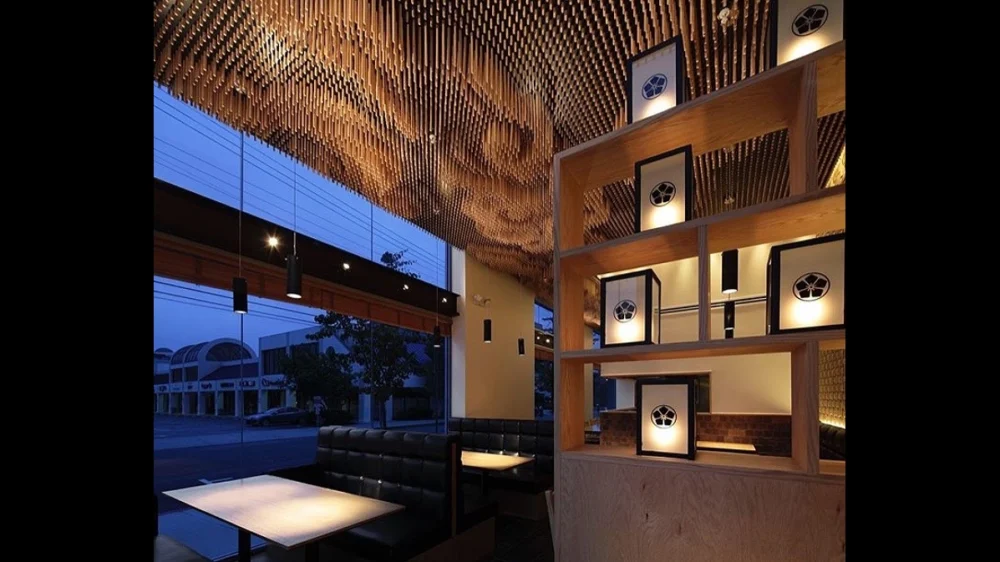
Tsujita LA Artisan Noodles stands out as a specialized destination for authentic Japanese noodle enthusiasts. The space is bright and minimalist, with an open kitchen that enhances the intimate dining experience. Known for its generous portions, the menu features rich broths, tender meat, and perfectly chewy noodles, making it ideal for sharing or enjoying solo.
Service is efficient and warm, with attentive staff managing both counter and seating areas. While parking can be tight, the flavorful dishes—like their signature ramen and tsukemen—are well worth the visit. The restaurant also fosters a lively atmosphere, occasionally hosting events that add to its cultural appeal.
Quite unique & artisan noodle place. Small (20 seatings or less), clean, airy, bright, minimal decor with open kitchen. Only one server for the entire place and he did a good job keeping up with all customers or tables. Parking can be a challenging since majority of it is street pay or small parking in the back of the shop, or like we did, parking in neighborhood street parking a street over with time limited to 2hrs. We order their deluxe Annex ramen large one ($26.45) which we shared for 2 people easily (very big portion, very tasty, the meat is tender, juicy and big cut), a tsukemen ($18.45) the noodle is nice, big and great, big cut of the pork and yummy but the broth is salty, and a mini chashu rice bowl ($8.95), which is perfect for one person and with great portion of rice, meat, and veggie. Our server was nice and friendly, and quick turnaround on food. Overall everything is great, except for the abit salty broth. We got the left over for 2 lunches, not bad at all.

A specialized artisan noodle restaurant for those seeking to try different taste. Tsujita on has two other locations very close nearby that allow for a great atmosphere and menu variety that will draw you in and is great for gatherings. The staff is super friendly and fast. Tsujita also holds events related to noodles and movies all the time which definitely gives the whole area a great culture and vibe.

This place is like a piece of home. Love their vegan ramen. The texture, temperature, silky/creamy soup topped with veggies and noodle, is the perfect warmth on a cool day. It’s always busy but sometimes, sometimes, you luck out and can grab a table easily. We used to sit outside but now opt to sit indoors where it’s a tad loud but cozy. Parking is not easy to come but this place is well worth the drive.

One of LA staples IMO and it’s indeed that good, to the point that it could be ‘in the game’ with the original ones in the home country. Long line wouldn’t be a show stopper especially if you came in small group as it moved relatively quickly, thanks to the attentive servers as well as indoor + outdoor + counter seats. Very rich fish-based broth, perfected by pleasant chewy noodles and thick yet juicy and tender pork slices. Portion’s also so generous that for me I had to share it. Such a comfort food especially in cold LA days!

Tsujita’s Tsukemen ramen is a must-try, it’s absolutely delicious! The flavor is top notch. They can get pretty busy on the weekends so there can be a bit of a wait, but they’re super efficient have indoor, outdoor, and counter seating, so the wait isn’t too long. Very fun atmosphere right in the middle of Sawtelle!
2. Yamashiro Hollywood
Tuesday: 5 PM – 11 PM
Wednesday: 5 PM – 11 PM
Thursday: 5 PM – 11 PM
Friday: 5 PM – 11 PM
Saturday: 5 PM – 11 PM
Sunday: 11 AM – 11 PM
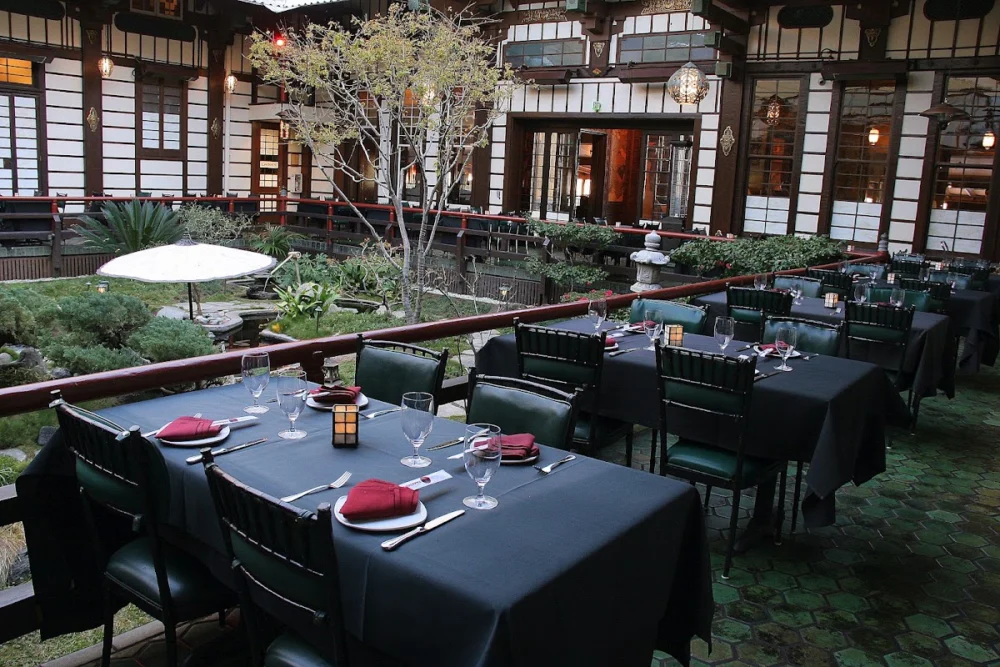
Nestled in the Hollywood Hills, Yamashiro Hollywood offers a striking panoramic view of Los Angeles, blending modern elegance with a serene ambiance. The cocktails are a standout, delivering creative flavors and refined presentation, while the outdoor seating provides an unforgettable sunset experience. The restaurant’s unique fusion of Japanese and Hollywood-inspired design enhances its charm, making it ideal for a memorable evening.
While the food quality leans toward solid rather than exceptional, standout dishes like crispy rice and lobster rolls justify a return visit. Service varies but often excels in attentiveness, particularly from dedicated staff. Though noise levels can be high, the atmosphere and scenic vistas ensure a compelling visit—best enjoyed for the experience over culinary perfection.
Yamashiro is definitely worth visiting at least once for the atmosphere. The location is beautiful, with stunning views over Hollywood and a unique setting that makes for a great evening. The cocktails were really good and probably one of the highlights of the experience. The food was decent, but it didn’t quite live up to the restaurant’s reputation. The service was friendly, although it could have been a bit more attentive, especially considering the price point. It can also get quite noisy, so it may not be the best choice if you’re looking for a quiet dinner. Overall, it’s a fun place with an amazing ambiance and great drinks. I would recommend it for the experience and the views rather than for the food alone.

⭐️⭐️⭐️⭐️⭐️ Such a beautiful evening at Yamashiro! The views and atmosphere are absolutely gorgeous, especially at sunset. 😍 But what really made our dinner special was our server, Kaitlyn. She was so sweet, attentive, and genuinely made us feel taken care of from the moment we sat down. Amazing service, beautiful ambiance, and a perfect evening. Thank you, Kaitlyn, for making our experience extra special! ❤️ We will definitely be back!

Very beautiful and unique Japanese restaurant in the Hollywood hills with a Panasonic view of LA where you can see downtown all the way to century city. We arrived a day earlier than our reservation but the outside hostess Emma was so nice that was able to find us a table. We made a mistake and didn’t say outside to enjoy the view but sat in the inside courtyard which apparently is a set of a few movies including Kill Bill. The courtyard is very unique and cute. Our server TJ was amazing. He was very attentive and helpful. I have the double happiness cocktail that was very unique but to sweet for my taste. We ordered and appetizer and a mix of sushi and the steak noodles. The noodles was meh and the weird part was that it was served with Parmesan cheese on the side. Most of the sushi were ok but had too much sauce and mayo on them. I would rate the food at 3, ambiance at 5 and service at 5 but not sure if we would be back. If we do, we will likely sit outside have a few cocktails and enjoy the view.

This place offers a great view of the city. Since we were visiting the city and didn’t have a car, we had to walk up the hill to get there, which was quite tiring. The service was excellent, and my server was particularly amazing. However, the food was average and not worth the price. The portions were also quite small. We were also disappointed with the long wait for our California roll, considering the restaurant has multiple kitchens. We had to take it out since we had to go. I highly recommend the avocado crispy rice. It’s very good and has a delicious taste.

Seen this all over social media and finally got around to trying it out. To start off, this is Valet only. When I went it was $20, so just know this before going. The atmosphere and aesthetic to the location is really nice. You can sit indoor or outside. The inside has cushion chairs which were really close to each other with very limited space to get in or out without bumping into the person behind you. Now for the food review. We got the crispy spicy tuna, garlic noodles with steak (medium rare), baked lobster roll, oysters and the ribeye. The garlic noodles were very dry, lacking a lot of flavor, the steak carried this dish. The oysters were good, would recommend the half dozen. The baked lobster roll was delicious, definitely my favorite, the dynamite sauce added a great flavor to the lobster. The crispy spicy tuna was also very delicious, it does pack a bit of heat, such a delicious wow factor. The steak was on the weak side. The sauce it was smothered on didnt really help it, but it made the carrots it paired with delicious. I wish they offered more sides as the mashed potatoes were also not that great. Overall the quality of food is quite average for the amount of options available in LA. If this restaurant was somewhere other than LA I would understand why the cost is so high, feels like you're been more so sold on the aesthetic,view, and history of the building more than the quality of food.
3. Kura Revolving Sushi Bar
Tuesday: 11 AM – 10:30 PM
Wednesday: 11 AM – 10:30 PM
Thursday: 11 AM – 10:30 PM
Friday: 11 AM – 11 PM
Saturday: 11 AM – 11 PM
Sunday: 11 AM – 10:30 PM
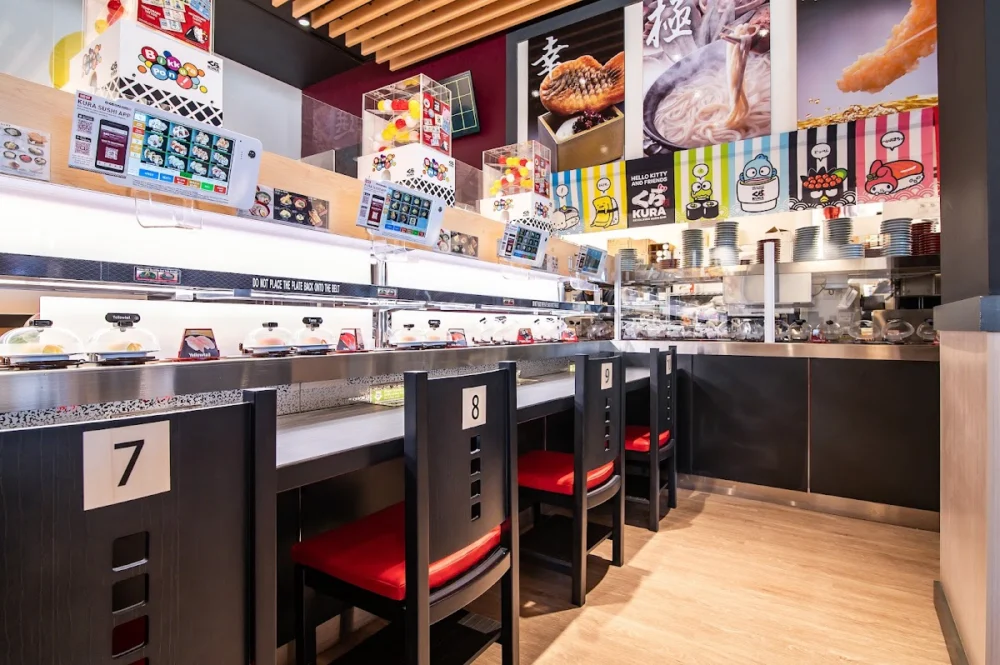
Kura Revolving Sushi Bar in Los Angeles offers a unique and interactive dining experience, where fresh sushi and small plates glide by on a conveyor belt, blending tradition with modernity. The affordable pricing and diverse menu—spanning classic rolls to seasonal specials—make it ideal for casual outings, while the tech-enhanced ordering system ensures efficiency and convenience.
The restaurant’s cozy, intimate setting suits smaller groups, though seating is limited, and the friendly, attentive staff enhances the visit. Occasional wait times can occur, but reservations streamline access. A standout feature is its collaborative menu items, adding novelty to each visit, though the space’s compactness may require flexibility for larger parties.

I came here with a reservation for two. The place is a very traditional Japanese style restaurant with very tight entrance. I used the tablet above our table to order our food, I specifically ordered through tablet so that I don’t have to sit and wait for the right dish to pass by. Everything tasted very good. They give very little wasabi. Restroom was cleanish. Each plate costs $4.15 and the hostess was very helpful and nice at guiding us as this was our first time. We didn’t play the game. Only ordered about 7 plates

Popular little joint with a lengthy wait at times. No wait with reservation which is what we did! Fun concept with a couple friends as seating wont allow a large group. Drinks are served by robots. Food…well its what you would expect served on a petri-dish while traveling though an entire restraunt on a conveyor belt!

This place is such a fun and unique dining experience. It’s a Japanese restaurant where your food arrives on a moving conveyor, which makes the whole visit feel interactive and different from a typical dinner out. There’s a great variety of sushi and small plates to choose from, and everything I tried was fresh and nicely prepared. It’s really easy to just grab what looks good in the moment, which makes the experience feel relaxed and spontaneous. What surprised me the most is how affordable it is for this kind of setup. You get both the experience and good quality food without spending too much, which is pretty rare in Los Angeles. Definitely a great spot if you want something casual, fun, and a little different.

such a fun experience i love rotating sushi bars! such yummy options and small sizes so u can try new things !! super small inside so u may have to remake reservations but we came right in time before it was busy!! such a large selection of different sushi rolls & other fun things to try

Been to Kura Sushi many times and I'd have to give credit to their consistency. The conveyor belt is of course the main attraction & is very well maintained. Love the plate mini game which adds a bit of activity to the meal. Parking is plentiful around Little Tokyo, all paid structures/lots. Kura does plenty of collaborations which gives a lot of incentive to dine in. Currently they're doing a demon slayer collaboration and my partner and I got a demon slayer towel for our excursion, a nice bonus. A nice tech is the screen ordering, a really nice gimmick for when you want a specific dish instead of staring at the conveyor belt 24/7. The wait time isn't too bad on the screen ordering which is great. Space is pretty limited inside, each table can fit 4 people at max with moderate spacing and there's also counter seating for solo diners. The sushi is delicious and very well seasoned but not anything too special, still great quality but not super high quality fish, still love the flavor for most sushi especially the seared menu items. Service is great, staff is professional & friendly, and was pretty attentive for water refills every time I've been. The only downside to Kura Sushi is that even with a reservation, there's still a significant wait time after checking in. I've been plenty with a reservation all times and I had to wait for people who were in front of us without reservations, longest wait I've had was over 30 minutes which is not bad but I would imagine that with a reservation, there should be priority assigned.
4. Marugame Udon
Tuesday: 11 AM – 9 PM
Wednesday: 11 AM – 9 PM
Thursday: 11 AM – 9 PM
Friday: 11 AM – 10 PM
Saturday: 11 AM – 10 PM
Sunday: 11 AM – 9 PM
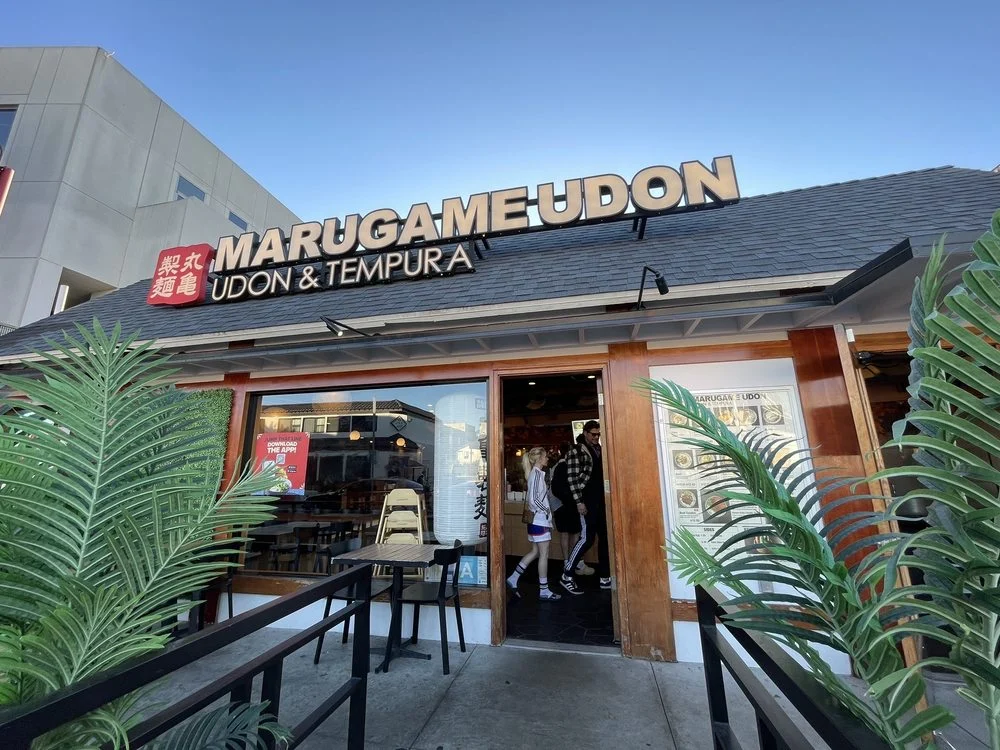
Marugame Udon stands out in Los Angeles as one of the few dedicated udon spots, offering a refreshing alternative to the more common soba noodle restaurants. The cafeteria-style setup allows for customizable bowls, featuring tender, chewy noodles and a variety of flavorful broths. Their selection of tempura and side dishes adds depth to the meal, making it a satisfying experience for those craving hearty, comforting flavors.
The restaurant’s spacious layout includes both indoor and outdoor seating, accommodating groups and casual diners alike. While the salty broth may require a sip of water afterward, the overall quality and variety make it a reliable choice for udon lovers. Service is efficient, reflecting the fast-paced, accessible nature of the dining experience.
One of the very few Udon restaurants since most others are soba noodles. They had a lot of choices after after you get the Main order dish you can add maju sides and even tempura. The noodles are very tender and chewy very tasty. The meats are soft and flavor hit the spot. Only downer was way too salty, afterwards we were in need of water badly. The restaurant is big and spacious and they also have outside seating as well.

Convenient and fast cafeteria-style Japanese udon spot! This food chain is worth checking out if you’ve never been. Their broths and udon noodles are made well and they have a good amount of fried add-ons that you can choose yourself. Seating is first come, first served so if it’s busy it can be a hard to find a table. Service is standard for a place like this.

I had the kitsune dashi broth udon, and it was very flavorful! They have several tempura options to get in addition to the udon, with the vegetable options being my favorite. It is cafeteria-style, and the seats are first come, first serve. There was a line when we arrived, but it moved quickly.

I love Marugame Udon! The soup is always flavorful and delicious, also the dumplings, crispy fried shrimp, and sweet potatoes. The service is consistently attentive and friendly, and the space is clean with a nice ambiance. It’s one of my favorite spots to visit whenever I’m in Sawtelle!

Although I am DEVASTATED that the fish cake tempura is no longer available, Marugame Udon remains a solid choice for a casual comfort meal. I used to come here a lot during my college days, and the line would be out the door. However, on this Monday night, I was able to waltz right in. In addition to udon, they also have other options such as tendon and curry, but I’ve only ever gotten the nikutama udon. A regular size is enough for me because I always go overboard with the tempura. After you order your bowl of udon (or whatever you got), the tempura are laid out for you to grab. Be careful, although each piece is only around $2, they stack up quick if you have hungry eyes (like me). My favorite piece used to be the fish cake tempura, but it’s no longer there. I live down in OC, so I would usually go to the South Coast Plaza location, which also didn’t have it. I thought that the Sawtelle location might still have it, but the girl at the front said they discontinued it over the summer (so sad!) please please please bring it back. But aside from that, the imitation crab tempura was very good and similar. The taste is the same as the fish cake, but the texture is different. Stringier instead of condensed and solid. My bowl with 4 pieces of tempura cost around $25. It’ll be cheaper, obviously, if you don’t take as much tempura. But in my opinion, the tempura is the best part. There’s so many fun ways to eat it. On its own, it’s slightly crisp. Dipping it in tempura sauce makes it a little sweet. And letting it soak in your udon broth gives you a satisfying, soggy, soup filled bite. The udon itself is decent. If you’ve never been, it’s worth a visit, and even if you have, Marugame is a solid choice.
5. Sushi Gen
Tuesday: 11 AM – 2 PM, 5 PM – 8:30 PM
Wednesday: 11 AM – 2 PM, 5 PM – 8:30 PM
Thursday: 11 AM – 2 PM, 5 PM – 8:30 PM
Friday: 11 AM – 2 PM, 5 PM – 8:30 PM
Saturday: 4 PM – 8:30 PM
Sunday: Closed
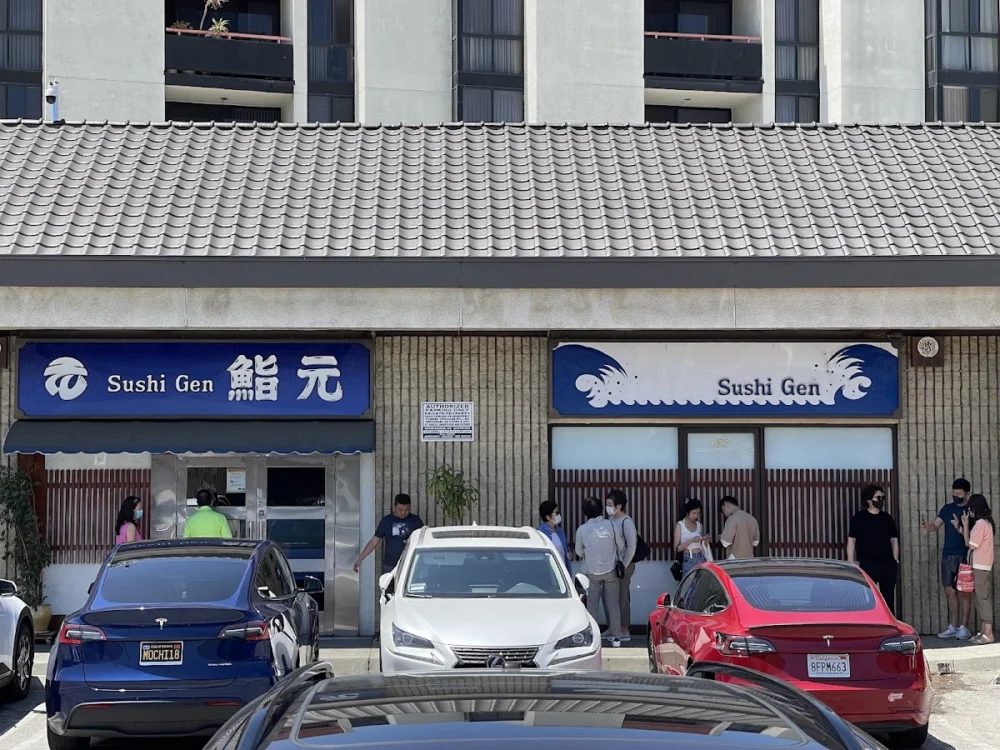
Sushi Gen stands out as a beloved Japanese eatery in Los Angeles, renowned for its exceptional sushi and sashimi, where freshness and quality take center stage. The menu highlights premium fish, expertly prepared with minimal distractions—think buttery salmon, rich eel, and impeccably cut tuna. A standout feature is the omakase experience, where skilled chefs curate a personalized selection, ensuring a memorable dining journey.
The cozy yet lively atmosphere blends effortlessly with efficient service, though popular hours may require patience for seating. While lunch specials like the sashimi set offer great value, the restaurant thrives on its consistently high standards, making it a must-visit for sushi enthusiasts. The absence of reservations means flexibility, but arriving early or during quieter slots can secure a smoother experience.

Easy 5 stars. Genuinely some of the best sushi I’ve ever had. Everything was incredibly fresh, and I loved that the dishes weren’t overloaded with sauces or unnecessary toppings, the quality of the fish really spoke for itself. The salmon was buttery and melted in your mouth, the eel was warm, rich and perfectly glazed, and even the cucumber salad was ridiculously good. And if you go, definitely try the fatty tuna, highly recommend it! This is one of those places that makes it hard to enjoy average sushi afterward. 😂 Already looking forward to going back.

1. The sashimi lunch set was filling and had good quality fish! I loved that it also came with miso soup and a rice bowl! 2. The spot has chill casual vibes! The interior definitely feels cozy! 3. The staff was friendly and timely with my order! It was all ready after 10 mins! Note: For a Friday, there was a line at 30 mins before lunch opening! Getting in line before opening will give you the best chance to get an actual table seating! At opening, you still have a chance to be seated at the counter! Photo: Sashimi Lunch

Arrived there around 11:30 am, and we are told it would be more than an hour wait. We had already parked in Honda Plaza so we decided to stroll around Little Tokyo. Returned to the restaurant after 30 minutes, and we are number 8 in line. We were seated, ordered and served our lunch before 12:30 pm. The Sashimi lunch looked fresh and included many variety of fish. Accompanied the main were rice, miso soup, pickled vegetables and stewed tofu. We were so happy with our meal. I do wished that I should have asked for less rice, as the amount of rice was a bit too much for me. Other than that, the staff checked in on us often, though they were quite busy. I would definitely recommend this restaurant if you’re in the area and don’t mind waiting.

My wife and I have a tradition to go to this phenomenal Sushi restaurant for our wedding anniversaries. This place does not disappoint every single time we go here. I would strongly recommend sitting directly at the bar and asking one of sushi masters to choose themselves what they want to make for you that night. Is this place a bit on the expensive side? Yes. Is it worth it? ABSOLUTELY! This is going to be probably one of the best sushi/sashimis you’ll ever eat in your life. Special thanks go to Master Yama for doing such an amazing job, once again.

This sushi place is the best in town. Raw tuna has an absolutely superb taste. It’s of great quality and has a high turnover rate, ensuring that you can always enjoy fresh sushi. However, one unfortunate aspect is that we don’t take reservations, which means we have to wait for at least 20 minutes.

Sushi Gen is my absolute favorite Japanese sushi restaurant. If you’re craving sashimi or sushi, this is the place to visit — you’ll enjoy some of the freshest and most satisfying quality fish around. This place is always crowded. Lunch, dinner, weekdays, weekends — there’s almost always a line. If you want to avoid waiting, try coming around 5 PM for dinner. That’s usually the best time to get in without a long wait. Especially on weekends, the line gets even longer, so plan accordingly. But overall, the quality is absolutely worth it. Highly recommended.

This sushi spot is iconic to locals and tourists alike. I arrived at 10:45am and there was a line of 25+ people in front of me. They won't seat you unless your entire party is present. The sushi bar is mostly open however you can't order lunch specials. The sushi and Sashimi are freshly prepared, the quality is consistent over the past several decades. This institution trains many future sushi chefs in SoCal food scene. We truly enjoy various sushi: Fatty tuna, yellowtail belly, uni, amaebi, Japanese mackerel, mirugai, and 2 rolls: spicy tuna cut roll as well as salmon skin hand roll. The albacore tataki is not prepared and presented on a plate with ponzu sauce but like Sashimi with the sauce in a dipping bowl. The monkfish liver is a bit too firm to my liking. We round up our meal with asari miso soup, the clams are fresh and it's a generous portion.
6. SUGARFISH by sushi nozawa
Tuesday: 11:30 AM – 10 PM
Wednesday: 11:30 AM – 10 PM
Thursday: 11:30 AM – 10 PM
Friday: 11:30 AM – 10 PM
Saturday: 11:30 AM – 10 PM
Sunday: 11:30 AM – 10 PM
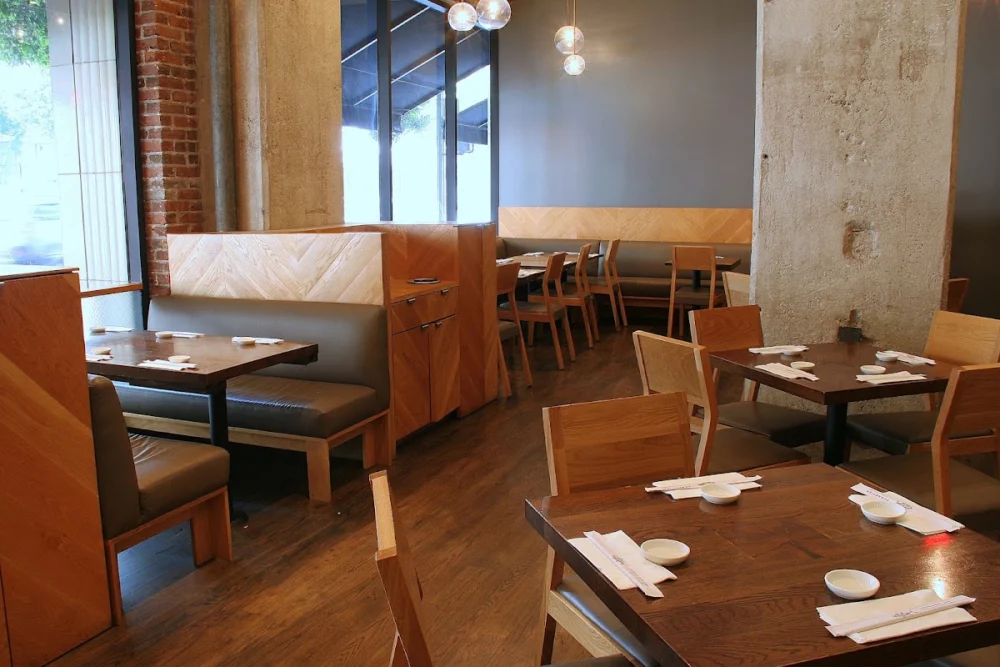
Sugarfish by Sushi Nozawa in Los Angeles delivers a refined omakase experience, showcasing the chef’s expertise with exceptionally fresh seafood. The menu, designed for exploration, highlights seasonal catches and meticulous preparation, making it a standout choice for sushi enthusiasts. The attentive service and polished ambiance enhance the dining journey, ensuring a seamless visit.
While the Trust Me omakase remains a popular pick, occasional inconsistencies in rice texture or fish quality have been noted, though they appear isolated. The restaurant’s commitment to quality and value generally shines through, balancing tradition with modern LA dining expectations. A reliable spot for those seeking a premium sushi experience.
I’ve been to Sugarfish many times, but this was my first time at this location. As usual, the fish was incredibly fresh and high quality. I love their omakase style menus, you really can’t go wrong with any of them. The service was very attentive, the restaurant was clean, and like the other locations, gratuity is already included in the bill. I’ll definitely be back.

inconsistent. I’ve been so sugarfish in new york and many omakases in new york and japan, I also love local sushi restaurants. for $32, the trust me sounds like such a good deal — except for the quality this time was subpar. this time, the rice tasted bad. it fell apart, the fish was falling off, and the texture of the fish felt off and a bit stringy. the taste was also not great. the best piece we had was the scallop which was a substitute because they ran out of the other fish. for $32, I was disappointed. I was assured that this might have been an off day for this location but I am wary of giving it another try for that much money. I’d rather spend it somewhere reliable

All I can say it’s my favorite sushi place 1000/10. The freshness is amazing. I strongly recommend to try this place I usually order the trust me. You won’t regret it!

This is one of my favorite sushi places to visit! I went in on a Tuesday at 7:00 p.m. and was immediately seated at the sushi bar. The service is wonderful, and the food is fantastic! I ordered the trust me and there are no regrets.

Delicious fresh sushi. The chefs' choice Omakase was a great way to go and reasonably priced for the high quality. Had eaten at their Beverly Hills location. Will gladly visit any next time I'm in the LA area.
7. KazuNori: The Original Hand Roll Bar
Tuesday: 11:30 AM – 11 PM
Wednesday: 11:30 AM – 11 PM
Thursday: 11:30 AM – 11 PM
Friday: 11:30 AM – 11:30 PM
Saturday: 11:30 AM – 11:30 PM
Sunday: 11:30 AM – 11 PM
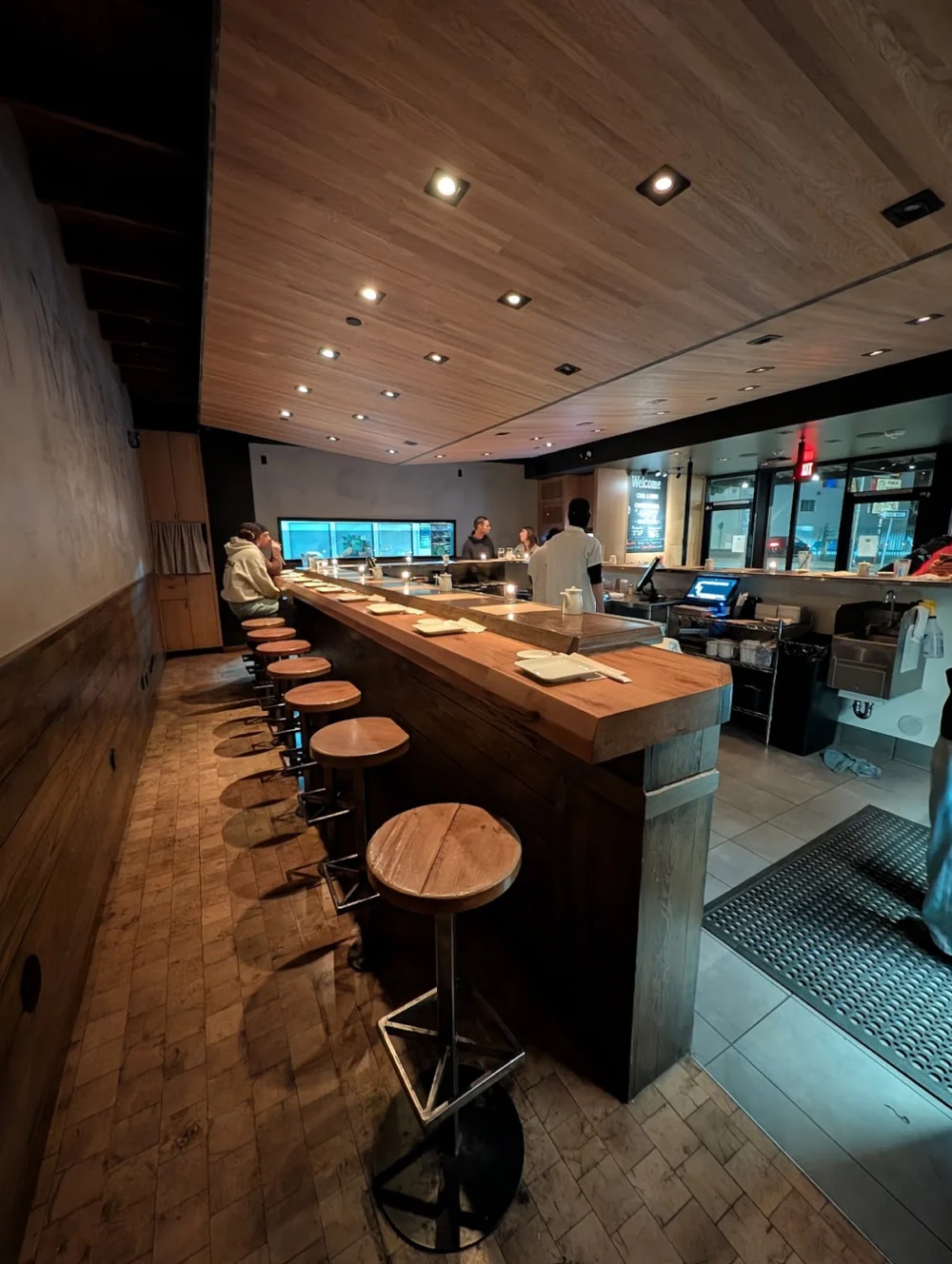
KazuNori: The Original Hand Roll Bar offers a fast-paced, casual dining experience in Los Angeles, perfect for those seeking quick yet satisfying sushi. The fresh, crisp hand rolls are a standout, emphasizing immediate consumption with vibrant flavors and well-balanced rice. Counter seating adds to the lively atmosphere, while attentive staff ensures smooth service and minimal wait times.
The restaurant excels in delivering high-quality ingredients at a fair price, with standout options like the Toro roll. While seating comfort may be limited for extended stays, the overall experience—from fresh fish to crisp nori—makes it a reliable choice. Curated set menus provide great value for those wanting variety without overindulging.

Fast paced and casual with counter seating that keeps things lively. Hand rolls are fresh, crisp, and meant to be eaten immediately. Staff moves quickly and keeps lines flowing, making it ideal for a quick, satisfying bite. Portions felt fair for the price, my favorite is the Toro roll

First time and I’m a fan. Friendly staff. Came here on a Wednesday night. We had to wait only a few minutes before being seated. Delicious hand rolls. I had the salmon, cucumber and albacore. Crisp beer. Only complain is the seats- quite uncomfortable after an hour by I guess that’s by design since it’s the restaurant is meant for a few guests at a time.

The fish tasted fresh and clean, and the sushi rice stood out with its perfect balance and texture. Everything felt thoughtfully prepared and enjoyable from start to finish. Definitely a place I would visit again, even though Sugarfish still holds a special spot for me.

Everything was spot on—from the freshness of the fish to the perfectly warm rice and crisp nori that held up until the last bite. Sitting at the bar made the experience even better, with quick, attentive service throughout. The quality you get for the price is impressive and makes it feel like a great value. If you want to sample a variety of hand rolls, their curated set menus are a smart choice and offer excellent value with some of their most popular options.

Delicious and budget friendly. I should've chosen 4 rolls instead of 6, cause we started getting full after roll 4th 😞
8. Sushi Roku Santa Monica
Tuesday: 5 PM – 9:30 PM
Wednesday: 5 PM – 9:30 PM
Thursday: 5 PM – 9:30 PM
Friday: 4 PM – 10 PM
Saturday: 1 PM – 10 PM
Sunday: 1 PM – 9:30 PM
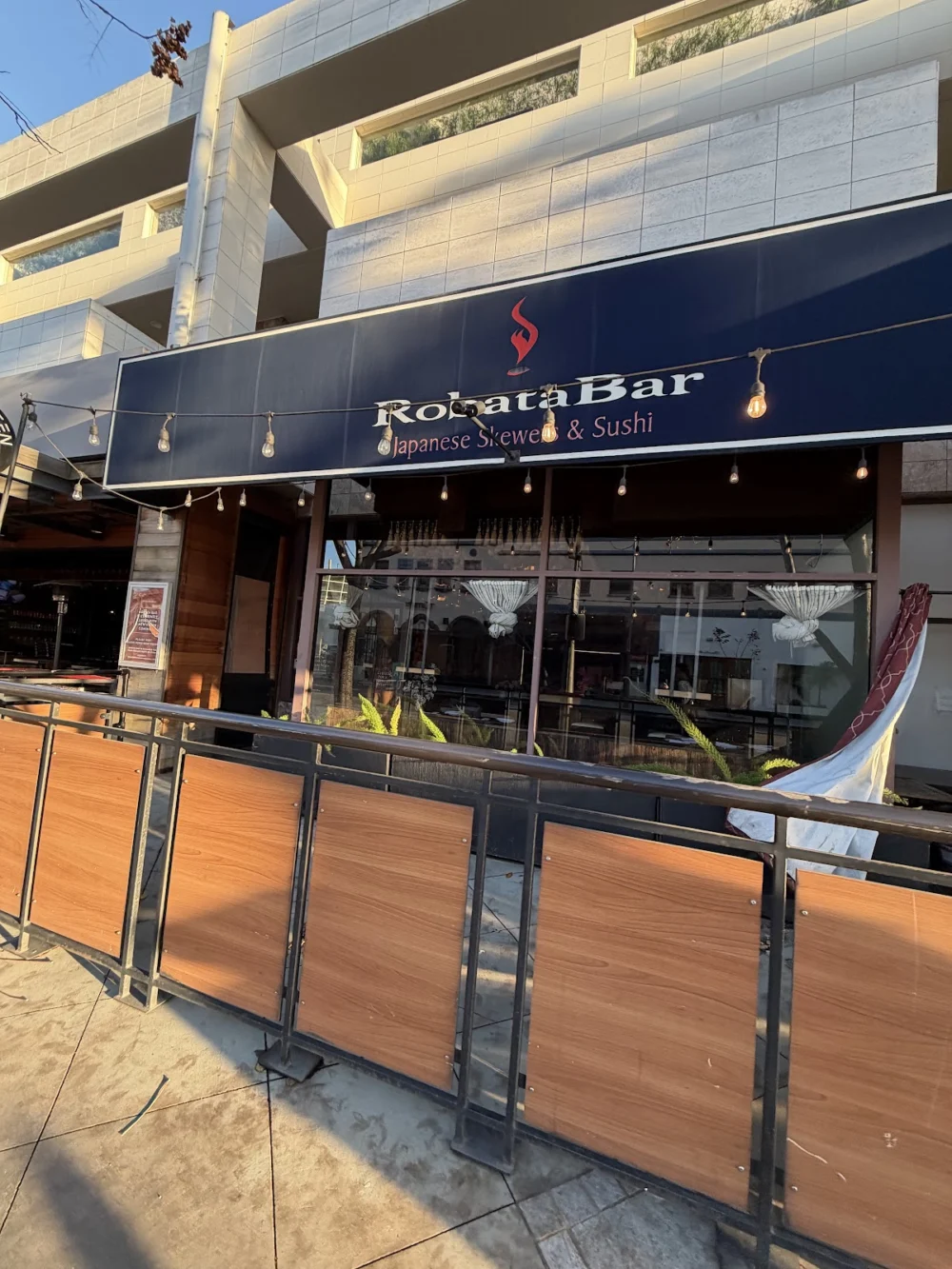
Sushi Roku in Santa Monica delivers a refined dining experience with a prime beachfront location, offering ocean views from its inviting patio. The restaurant excels in crafting high-quality sushi, from delicate nigiri to inventive rolls, complemented by standout cooked dishes like their rich ramen. Freshness and presentation elevate every bite, making it a standout choice for those seeking a polished, authentic Japanese meal.
While the menu leans toward bold flavors, particularly spicy options, the service remains consistently warm and attentive. Though not overly experimental, the offerings strike a balance between tradition and innovation. Ideal for special occasions or a relaxed evening by the water, it provides a memorable, well-rounded experience for sushi enthusiasts.
I’ve been here once before a long time ago and had amazing sashimi. This time got garlic edamame, spicy tuna crispy rice & spicy sunomono, crab hand roll & yellowtail nigiri, chicken fried rice & mochi ice cream and all tasted amazing! We got to sit outside so we had the beautiful sunny view of the ocean and had an amazing time!!!

Delicious as Usual! Definitely pricey. I dine here all the time. My bill is average $300-$400 MAX with 4 people and this time I was with 2 little girls and our bill was $600. Not sure what happened.

Great location right across the street from the beach… sit on the patio and you can see the ocean! Delicious food and prompt, friendly service.

This restaurant never disappoints. Sushi is always top quality with beautiful presentation and creative rolls. First time I ever had the ramen With a pork miso Broth. It was some of the best pork I've ever had in ramen soup. Nice sear on the meat.

We recently had dinner at Sushi Roku in Santa Monica and overall had a decent experience. The sushi was fresh and nicely presented, but it did not really stand out. The flavors were good, although not especially memorable. When it comes to signature rolls, I would expect more creativity and interesting flavor combinations. Most of them were spicy, which made it harder to try something new or unique. On the positive side, the service was very good and the location is great for a date night. We also did not get a chance to try their cooked dishes, which might be where the restaurant really shines. Overall, it is a nice spot, just not as impressive as we hoped when it comes to sushi.
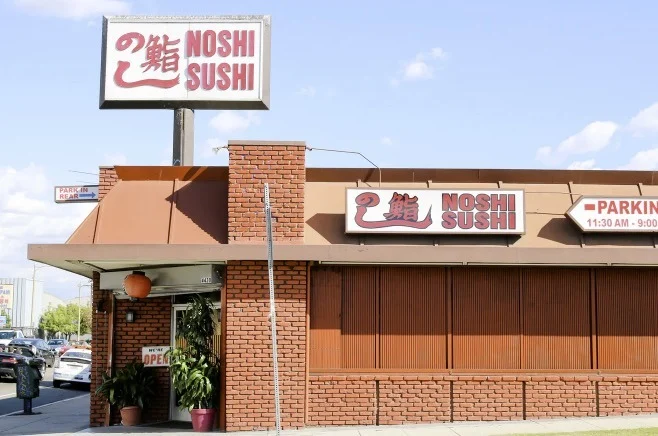
9. Noshi Sushi
Tuesday: 11:30 AM – 9 PM
Wednesday: 11:30 AM – 9 PM
Thursday: 11:30 AM – 9 PM
Friday: 11:30 AM – 9 PM
Saturday: 11:30 AM – 9 PM
Sunday: 11:30 AM – 9 PM
Noshi Sushi in Los Angeles stands out as a well-regarded Japanese sushi spot, celebrated for its fresh ingredients and authentic flavors. The restaurant consistently delivers high-quality rolls and nigiri, with a particular reputation for its California hand rolls and carefully prepared cooked dishes like calamari salad and tofu agadashi. The atmosphere is welcoming, and the service, while occasionally slow, remains attentive and warm.
The dining experience is enhanced by generous portions and reasonable pricing, making it a favorite for both casual meals and special occasions. While accessibility can be limited due to tight spaces, the restaurant’s decades-long commitment to consistent quality ensures a memorable visit. Ideal for intimate gatherings or date nights, Noshi Sushi offers a refined yet approachable sushi experience in LA.
I came here on a friend's recommendation, and I'm so glad I did. The sushi was incredibly fresh with no fishy taste at all—everything was delicious. The service was also excellent, and the atmosphere inside the restaurant was warm and inviting, making the dining experience even more enjoyable. The only minor thing I noticed was that the quality of the salmon nigiri was slightly different. The salmon served in the sushi set seemed to be a better cut than the salmon nigiri I ordered separately. The separately ordered salmon was still good, but the difference was noticeable. Overall, I had a great experience and would definitely come back. Highly recommended!

Fresh, Delicious, and Reasonably Priced Noshi Sushi is close to our home, so my husband and I enjoy dining here from time to time. When we have guests, we also order takeout and create a beautiful sushi spread at home. The sushi is always fresh and delicious, and the service is friendly and satisfying. The prices are reasonable for the quality and portions. It is one of our favorite neighborhood sushi restaurants.

This restaurant has been around for decades, and the freshness of the sushi 🍣 and rolls as well as the cooked food stays great! They make the best California hand roll, in my opinion, and the sushi servings is not a whole lot of rice which many sushi establishments now do. The calamari salad, tofu agadashi, and kareage are tasty!The service can be slow, and it is not a place for children. My father who is disabled had a difficult time here because of tight spaces. We also did not see a wheelchair/walker access.

My Dearly Noshi Sushi of 36 years of commitment. Thank you for maintaining the highest quality and service over the years. Only magical memories for me every time I have the opportunity to dine here. Yours Truly Alanthon Gold.

One of my favorite sushi places in LA. Great for a date night.
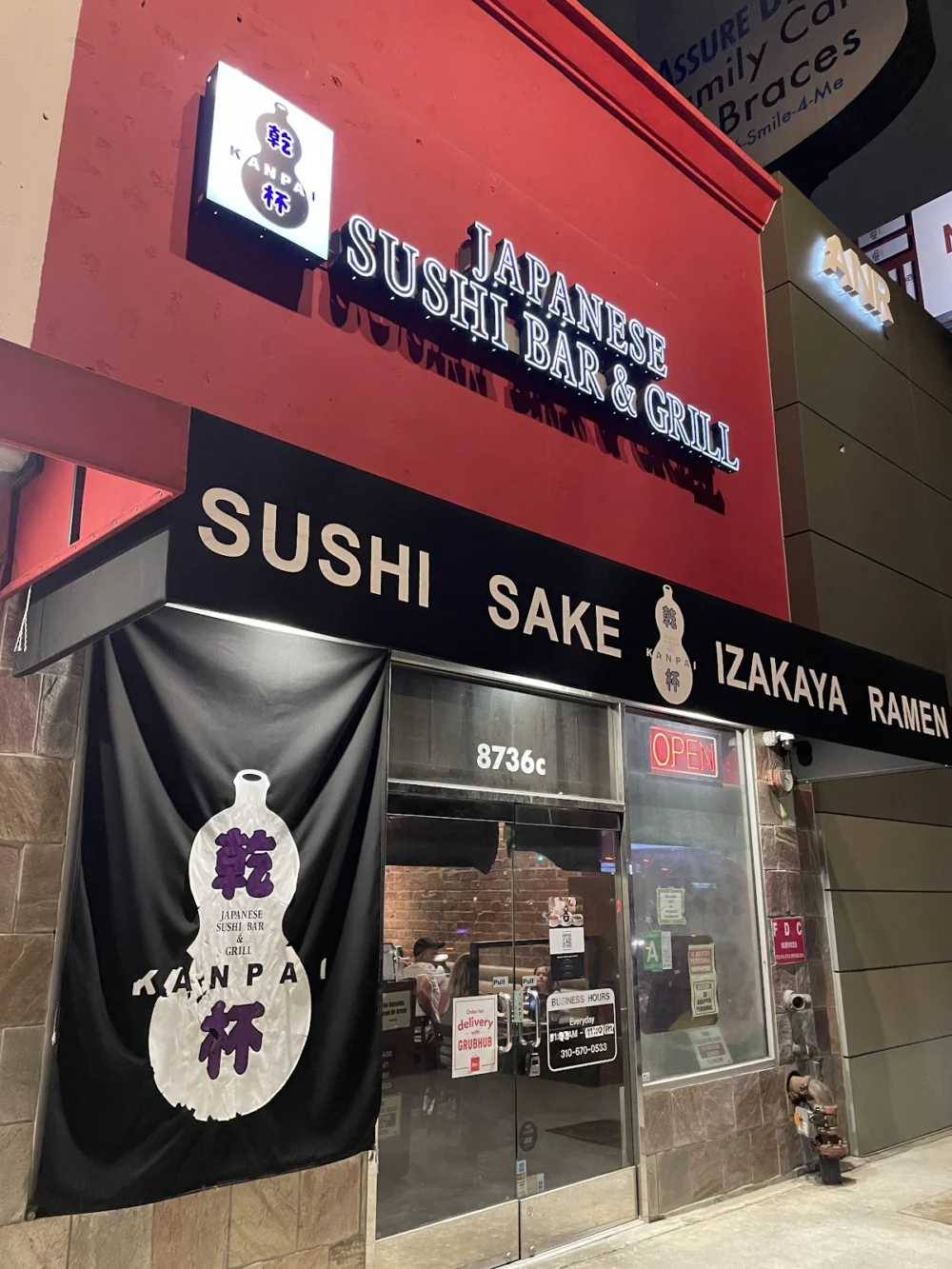
10. KANPAI JAPANESE SUSHI BAR & GRILL
Tuesday: 11:30 AM – 11 PM
Wednesday: 11:30 AM – 11 PM
Thursday: 11:30 AM – 1 AM
Friday: 11:30 AM – 1 AM
Saturday: 11:30 AM – 1 AM
Sunday: 11:30 AM – 11 PM
Kanpai Japanese Sushi Bar & Grill stands out as a well-rounded dining option near LAX, offering a diverse menu that blends traditional and contemporary Japanese flavors. The freshness of ingredients is a highlight, with standout dishes like sushi rolls, Spicy Miso Ramen, and lamb chops praised for their balance of taste and presentation. Vegan choices and tofu-based plates also cater to varied preferences without compromising quality.
The restaurant benefits from a spacious layout and ample free parking, easing the logistical challenges of dining in Los Angeles. While service can vary depending on peak hours, attentive staff and a welcoming atmosphere contribute to a smooth overall experience. Its extended operating hours and proximity to the airport make it a convenient choice for travelers and locals alike.

The salmon sushi here was absolutely amazing! Thick cut fresh fish. A bit pricey ($9 for 2) but worth it for the taste. We also tried the salmon collar and fish skewer, both amazing. Service was slow but it was a busy night so it was expected. They have a huge parking lot behind the building that is free. A giant plus to any restaurant in LA.

I had vegan sushi—avocado and cucumber—and also a tofu steak. Everything was delicious, and the service from Naoko (I’m not sure how to pronounce her name) was excellent; it didn't even take five minutes. Everything was really tasty.

Super delicious Japanese restaurant near the LAX Airport. They are also open later than other asian restaurants in the area. They menu has a lot of variety, so there is something for everybody. I got the Spicy Miso Ramen, which I highly recommend and was the perfect amount of spiciness. I also ordered the Tamagoyaki, which was amazing! I would also recommend trying that dish.

It was tasty and a lot of varieties of Japanese food from fishes to meats to vegetables! Also it’s a big restaurant and a lot of table with a big parking lot! No wait for your table. Great place before going to the airport and waiting for your people from the airport!

Kanpai is absolutely amazing! Every dish we tried was flavorful, fresh, and beautifully presented. The sushi roll we ordered was perfect — topped with avocado and eel sauce, with fresh ingredients and great balance of flavor. It looked just as good as it tasted. We also ordered the soup dumplings and they were surprisingly good — full of broth, juicy, and served hot. Definitely a pleasant surprise to find here. My main entrée was the lamb chop, and it was outstanding. Tender, well-seasoned, and paired with crispy toppings and fresh vegetables. The sauce complemented the lamb perfectly — a very well-executed dish. Service was quick and friendly, and the overall dining experience was excellent. Kanpai deserves five stars — we will absolutely be coming back! 🍣🥢🍱
How to find your ideal Japanese restaurant at the best price in California?
Request help now to find the best price:
- Fill in the details and tell us what you're looking for
- We locate the best Japanese restaurant in California near you
- The company contacts you
- Who receives your request: the featured businesses in this listing that have their own contact email (a few at most, taking turns). If there are none, it goes to the owner of this website.
- What for: so they can reply with a quote. Once it receives your request, each business handles your data on its own account to reply to you.
- Legal basis: your consent, which you give by ticking the box and can withdraw at any time by writing to the owner of this website.
- How long it is kept: 1 year on this website; after that it is deleted.
Catalog of services offered by Japanese restaurants in California
Sushi Preparation and Presentation
Japanese restaurants in California consistently prioritize the preparation and presentation of sushi. This involves meticulous attention to detail, from the selection of fresh fish to the precise cutting techniques, creating an artful and visually appealing dish. The focus is always on delivering a high-quality, authentic experience.
Ramen Broth Development and Flavor Profiles
The creation of ramen broth represents a significant undertaking for many Japanese restaurants. This process involves extended simmering, often utilizing traditional methods like shojin broth, and carefully balancing complex flavor profiles – umami, salt, sweetness, and spice – to achieve a deeply satisfying and nuanced taste. Mastering this is key to the restaurant's success.
Sake Selection and Service
The selection and service of sake is a specialized skill. Japanese restaurants curate a diverse sake list, considering factors like rice variety, brewing method, and seasonality. Proper serving temperatures and knowledge of sake pairings with specific dishes are crucial elements of the dining experience, emphasizing the beverage's integral role.
Traditional Japanese Cooking Techniques (Izakaya Style)
Many Japanese restaurants in California employ traditional Japanese cooking techniques, particularly in their izakaya style offerings. This includes methods like yakitori (grilled skewers), okonomiyaki (savory pancakes), and karaage (fried chicken), showcasing a diverse range of Japanese culinary traditions beyond sushi and ramen.
Ingredient Sourcing and Quality Control
A cornerstone of Japanese cuisine is the commitment to ingredient sourcing and quality control. Restaurants prioritize relationships with trusted suppliers, emphasizing the use of premium, seasonal ingredients – fresh seafood, carefully selected vegetables, and high-quality rice – to ensure the best possible taste and texture.
Omakase Experiences and Chef's Choice
The concept of omakase, or "chef’s choice," is a hallmark of many Japanese restaurants. This allows diners to fully trust the chef’s expertise, experiencing a curated selection of dishes based on the freshest ingredients and seasonal availability, offering a truly bespoke culinary journey.
Tea Ceremony Elements and Matcha Preparation
While not always a primary focus, some Japanese restaurants incorporate tea ceremony elements, including the preparation of matcha (powdered green tea). This involves precise whisking techniques and knowledge of tea varieties, adding a cultural and sensory dimension to the dining experience, emphasizing tradition and ritual.
Japanese Knife Skills and Cutting Methods
The Japanese knife skills and cutting methods are fundamental to the presentation and enjoyment of many Japanese dishes, particularly sushi and sashimi. Precise cuts, often employing specialized knives, are crucial for maximizing flavor and texture, demonstrating a deep respect for the ingredients.
Frequently asked questions about Japanese restaurants in California
What types of Japanese cuisine can I find in California?
California boasts an incredibly diverse range of Japanese culinary experiences. You’ll find traditional sushi and sashimi restaurants offering meticulously prepared fish, alongside establishments specializing in ramen – rich noodle soups with various broths and toppings. Beyond these staples, many restaurants offer tempura (deep-fried seafood and vegetables), teppanyaki (grilled dishes cooked on a hot plate in front of you), and even more regional specialties like oden (a hot pot dish) and yakitori (grilled skewers).
How much does a typical meal at a Japanese restaurant cost?
The cost of a meal at a Japanese restaurant in California can vary dramatically. A casual sushi bar offering a limited selection might cost around $30-$50 per person. A more formal teppanyaki restaurant could easily reach $80-$150 per person, especially with drinks and appetizers. High-end kaiseki (multi-course traditional Japanese dinner) restaurants can cost upwards of $200 per person. Prices are heavily influenced by the location, the quality of the ingredients, and the complexity of the dishes.
What is 'kaiseki' and why is it so expensive?
Kaiseki is a highly refined and artistic form of Japanese dining, considered one of the highest expressions of Japanese cuisine. It’s a multi-course meal, typically consisting of 10-15 courses, each meticulously crafted to showcase seasonal ingredients and traditional Japanese techniques. The expense stems from the labor-intensive preparation, the use of rare and expensive ingredients, and the presentation artistry involved. It represents a significant cultural and culinary experience.
What are some common Japanese dishes I should try?
Beyond the usual suspects, there are many fantastic dishes to explore. Tonkatsu (deep-fried pork cutlet) is a popular choice, as is okonomiyaki (a savory pancake). Don't miss miso soup, a staple in Japanese cuisine, and curry rice, a unique adaptation of Japanese curry. Exploring dishes like chawanmushi (steamed egg custard) and gyoza (pan-fried dumplings) can offer a deeper understanding of Japanese flavors.
How important is the presentation of food in Japanese restaurants?
Food presentation is incredibly important in Japanese cuisine. It’s considered an art form, reflecting respect for the ingredients and the dining experience. Dishes are often arranged with deliberate precision, utilizing minimalist tableware and careful attention to detail. The goal is to create a visually stunning and harmonious experience that elevates the meal beyond simply eating; it’s about appreciating the beauty of the food itself. The plating styles are a key element of the overall experience.
Are all Japanese restaurants in California authentic?
The level of authenticity can vary significantly. Many restaurants take liberties with traditional recipes and techniques to cater to American palates. It's essential to research restaurants carefully and look for establishments that prioritize traditional methods and use genuine Japanese ingredients whenever possible. Reading reviews from other diners and paying attention to the restaurant’s history and philosophy can be helpful indicators of authenticity.
What is 'omakase' and is it worth the cost?
Omakase, meaning "I’ll leave it to you," is a dining experience where you entrust the chef to select and prepare the best dishes based on the seasonality and quality of the ingredients. It’s a highly personalized experience and typically more expensive than ordering a la carte. Whether it’s worth the cost depends on your willingness to trust the chef’s expertise and your appreciation for a curated, seasonal menu. It’s a chance to experience the chef's vision.
How do I order sushi properly in a Japanese restaurant?
When ordering sushi, it's customary to order by the piece. Start with a selection of nigiri (slices of fish on rice) and sashimi (slices of raw fish). Ask the server for recommendations on fresh seasonal options. Don’t be afraid to ask about the origin and preparation method of the fish. Using chopsticks to pick up the sushi and enjoying it with a dab of wasabi and a small amount of soy sauce is the traditional approach.
What is the role of wasabi and soy sauce in Japanese cuisine?
Wasabi, a pungent green paste made from the wasabi plant root, is traditionally served alongside sushi to numb the palate and enhance the flavor of the fish. Soy sauce, a fermented soybean product, is used for seasoning and dipping, but it's generally used sparingly to avoid overpowering the delicate flavors of the fish. The balance between wasabi and soy sauce is crucial to the authentic Japanese sushi experience.
What are some popular Japanese desserts and drinks?
Beyond the savory dishes, Japanese restaurants often offer delicious desserts and beverages. Mochi (rice cakes) in various flavors are a popular treat, as are matcha ice cream and kakigori (shaved ice desserts). For drinks, sake (rice wine) is a staple, alongside green tea and fruit teas. Many restaurants also offer Japanese soda flavors, offering a refreshing alternative.