
Best rheumatologists in California: find options near you
When seeking specialized medical care for musculoskeletal or autoimmune conditions, the expertise of a top-tier rheumatology specialist can make a significant difference in diagnosis and treatment. California is home to some of the most respected professionals in this field, known for their advanced training, innovative approaches, and dedication to patient care. These physicians combine clinical excellence with a deep understanding of complex conditions, ensuring those in need receive the highest standard of expertise.
Finding the right arthritis and joint disease expert often depends on reputation, patient outcomes, and a track record of success in managing chronic conditions. The state’s leading practitioners are frequently recognized for their contributions to both medical research and compassionate patient interactions. Whether dealing with rheumatoid arthritis, lupus, or other inflammatory disorders, these specialists provide not only cutting-edge treatments but also the personalized attention necessary for long-term well-being.
Discover 10 outstanding options for rheumatologists in California
Here are 10 outstanding options for rheumatologists in California based on value for money:
1. Pacific Rheumatology Center

Tuesday: 8 AM – 4 PM
Wednesday: 8 AM – 4 PM
Thursday: 8 AM – 4 PM
Friday: 8 AM – 4 PM
Saturday: 8 AM – 4 PM
Sunday: Closed
The Pacific Rheumatology Center in Tustin stands out for its exceptional patient-centered care, led by skilled professionals who prioritize thorough, personalized treatment. Dr. Khaleghi’s expertise shines through in precise diagnostics and compassionate guidance, ensuring accurate assessments and tailored solutions. The team’s attention to detail and responsiveness fosters trust, making every visit efficient and reassuring.
What sets this practice apart is its commitment to accessibility and support, from seamless scheduling to warm, attentive staff. Whether managing chronic conditions or addressing new concerns, patients consistently experience professionalism and empathy. The center’s reputation reflects its dedication to excellence in rheumatology care.

Five stars for Dr. Khaleghi and his staff! I received a hand injection yesterday, and the entire process was smooth, professional, and stress-free. Dr. Khaleghi is clearly an expert in his field and made me feel completely comfortable throughout the visit. The staff is fantastic and runs the office seamlessly. I wouldn't hesitate to recommend this practice to friends and family.

My wife had been given a diagnosis of Rheumatoid Arthritis many years ago and was coming to see Dr Khaleghi as a new patient. Doing a thorough intake and physical examination to determine what she was experiencing, and what condition that was indicative of, he was able to rule out Rheumatoid Arthritis as the cause of her pain. He did identify what the actual cause was however and this will result in my wife finally getting appropriate treatment for her condition. Had we not visited Dr Khaleghi, we likely would never have known. We can't thank you enough for treating the patient first, and not just defaulting to past (incorrect) history.

Dr Khaleghi has been an Amazing Rheumatologist and is very passionate about helping his patients. His team and staff are always so supportive and friendly. Thank you Dr K for being an amazing doctor!

Recently, I arrived a day early for my appointment. In spite of my error and his full schedule, the doctor was able to accommodate me. It was much appreciated since the drive was a bit long. The staff are all very pleasant and helpful.

One of the best! Very respectful, cordial competent and compassionate Dr. khaleghi has been helping me manage my R A for about 12 years. I’m thankful! His assistant’s are friendly and helpful too! Thank you all🙏🏻

Dr. Khalegh is great, very professional, kind and down-to-earth. His staff at the office is also wonderful, warm, welcoming and it was easy to communicate with them about paperwork and documents. Thank you, Cornelia

Dr Khaleghi and his staff are excellent practitioners! They are very responsive, easy to book with, listen to my concerns, and are friendly and professional. No complaints here! Highly recommend this office along with the Laguna Niguel location as well 🙂
2. Wagdy W Kades MD Inc
Tuesday: 9 AM – 5 PM
Wednesday: 9 AM – 5 PM
Thursday: 9 AM – 4:30 PM
Friday: 9 AM – 5 PM
Saturday: 9 AM – 5 PM
Sunday: 9 AM – 5 PM
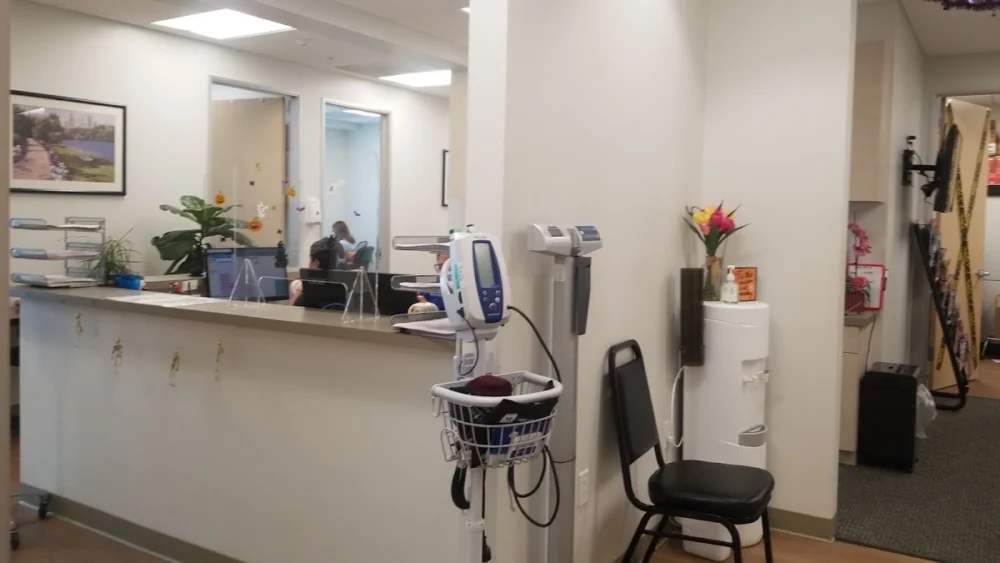
Address stands out as a patient-centered rheumatology practice in the United States, where compassionate care meets clinical excellence. The team prioritizes thoroughness, ensuring all test results are reviewed meticulously and explained with clarity, fostering trust and understanding. Their efficient scheduling and responsiveness—such as accommodating urgent follow-ups—demonstrate a commitment to minimizing wait times and addressing patient needs promptly.
Led by highly skilled specialists, including Dr. Kades and Nurse Practitioner Michelle Wong, the practice combines expertise with empathy. The office maintains a welcoming atmosphere, with a focus on personalized treatment plans and long-term support. Clean, professional, and attentive, Address delivers a seamless experience for those seeking expert rheumatological guidance and relief.
I know waiting for that first appointment especially if you have endured months of labs by other specialists is agony, but trust me; it's worth it! I saw Michelle on my first visit, she was warm, professional and thorough. She ordered more labs to confirm the diagnosis previous labs alluded to. When the results came in, I was able to see Dr Kades the same day vs waiting for my pre-scheduled follow up appointment, thanks to the angel (Natalia? sorry, Lupus brain fog in action!) who answered the phone. As soon as Dr Kades entered the exam room with a halo of white light as his aura, tears of gratitude began to flow. His expertise, empathy and capacity for clear explanations without talking down to the patient are unmatched. I left with a treatment plan and am on the road to recovery! Thank you, Dr Kades and staff for doing and being the best! I am so blessed! Xo!

Very welcoming. Never "running late." and they had ALL of my tests result on hand. They were reviewed and explained one by one in very understanding words. Thank you for your amazing service.

Dr Kades is an excellent doctor and is very caring and knowledgeable. I have been a patient for over 10 years and Dr Kades has helped me tremendously with my rheumatoid arthritis. His NP, Michelle Wong, is also excellent and very knowledgeable

Kind and respectful doctors and staff. They do their best to make sure are heard and understand what is happening to your body. Clean office and very friendly staff, I am very grateful to the Doctors and Nurses.

Dr Kades listens very attentively to my health concerns and addresses them accordingly. He has very kind manners and makes you feel at ease. This is my first visit and I have a very good impression of him.
3. Pacific Rheumatology Medical Center: Behnam Khaleghi, MD
Tuesday: 8 AM – 4 PM
Wednesday: Closed
Thursday: 8 AM – 4 PM
Friday: Closed
Saturday: Closed
Sunday: Closed
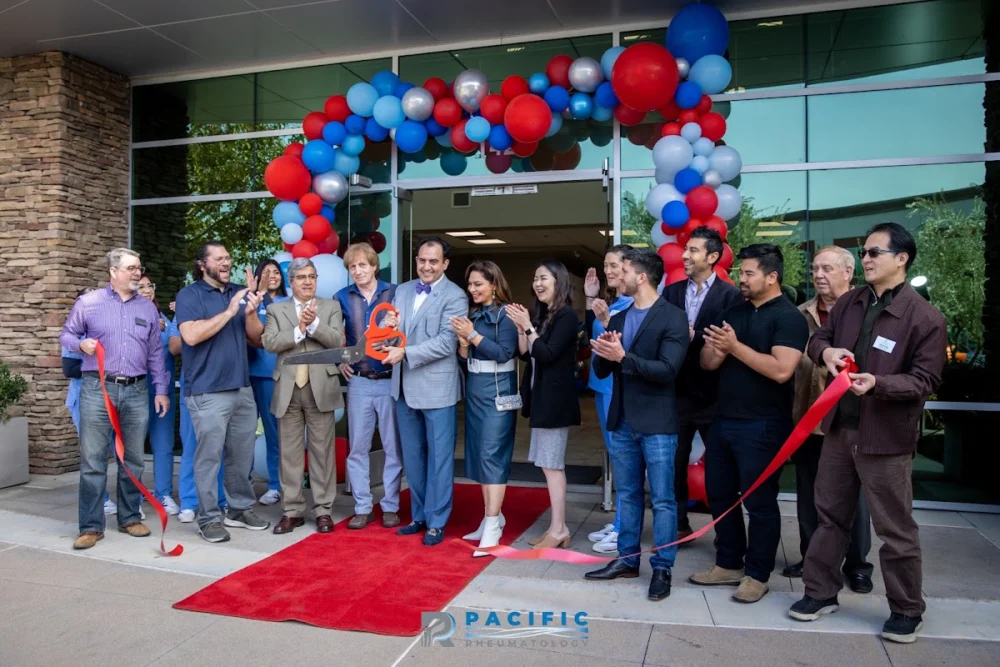
Pacific Rheumatology Medical Center, led by Behnam Khaleghi, MD, stands out for its comprehensive and patient-centered approach to rheumatological and immunological care. Dr. Khaleghi is recognized for his attentive diagnostic process, combining thorough evaluations with clear, accessible explanations to ensure patients understand their conditions and treatment paths.
The center emphasizes a collaborative environment, where both medical and support staff prioritize professionalism and empathy. Known for fostering trust through detailed consultations and personalized care plans, it serves as a reliable resource for those seeking expert guidance in managing complex conditions.

Doctor K was great. He asked many questions and he was truly interested in finding out what the root of my problem could be. He reassured me that I did not have rheumatoid arthritis and told me to feel free to reach out to him with any questions. I would definitely recommend him. He is a caring doctor!

The doctor was very attentive, asked detailed questions regarding my condition, performed appropriate examinations, and ordered the necessary tests and lab work, I highly recommend this doctor for anyone with a similar problem.

This office doesn’t care about you! Did one test on me and gave up on me. Quick to give me multiple medications rather than help me. When I expressed my feelings to the NP she didn’t care , wasn’t sincere. I drove an hour and 30 min thinking I would finally get help and it was a complete waste of time.

Pacific Rheumatolgy and Dr. Khaleghi are excellent providers of care for rheumatological/immunological disorders. Office and nursing personnel are friendly, courteous, helpful, and professional. Dr. Khaleghi is caring and explains medical conditions and procedures in terms that are easily understandable by a layman. I would highly recommend Pacific Rheumatology to anyone seeking excellent care.

The Dr was very knowledgeable and a very good teacher as well. I appreciated his sharing of his knowledge about his profession as it relates to my issues. I would recommend him to anyone trying to get better and feel better
4. Dr. Himmat S. Gill, MD

Tuesday: 8 AM – 4:30 PM
Wednesday: 8 AM – 4 PM
Thursday: 8 AM – 4:30 PM
Friday: 8 AM – 12 PM
Saturday: Closed
Sunday: Closed
Dr. Himmat S. Gill, MD, stands out in Fresno for his comprehensive and empathetic approach to rheumatology care. Patients consistently highlight his thorough diagnostic process, where he carefully reviews clinical findings and explains treatment options with clarity. His ability to address concerns and provide structured follow-up plans ensures a well-rounded patient experience.
The practice is known for its welcoming and professional staff, who contribute to a smooth and supportive visit. While parking may be limited, the focus remains on delivering personalized, compassionate care, making it a trusted choice for those seeking expert rheumatological treatment in the area.

Dr Gill was very friendly and thorough. He was able to analyze all of my clinical and diagnostic findings and confirm a diagnosis. He answered all my questions and concerns. We also discussed treatment options. Dr Gill had a very clear and concise follow up plan. His staff were friendly and professional. I had a great visit. Thank you!

I had my first appointment this morning and was in and out of the office in 10 minutes. The staff was great and as soon as I checked in I was taken to a room and given the injections and was done! They’re very nice and explained everything to me and answered my questions. I highly recommend Dr Gill for osteoporosis injections.

I’ve had experiences in some New Dr offices where the staff are not very friendly and tend to be cold, but not at Dr Himmat. Staff is friendly and I felt very comfortable. They talked to me and made me feel welcome. Which is always the first step when visiting a new a Dr Thank you so much!

From the moment I went into the office, the staff was very friendly and helpful. Despite receiving not so good news, Dr. Himmat was extremely thorough and helpful. He assured that with the meds and a healthy diet I would be ok. I honestly left the office in good spirits…Once again. The staff and the Doctor are amazing!!!!

I had a recent visit as consultation with Dr. Himmat Gill. As entered the office, met a great welcoming staff and well organized office. Physician gave time to review my history and symptoms, giving time to ask questions, unhurried, clear communication and I highly appreciate the empathetic care and understanding of comprehensive action plan.

Dr. Gill was kind, compassionate, and very thorough in his explanations of possible treatments for my severe osteoporosis. Office staff was friendly and helpful.

Parking available but limited. Staff looked exhausted but cordial. Not overly friendly but asst gave me a painless shot. Was hoping to see doctor to learn more about the med.
5. Rheumatologist OnCall with Dr. Diana Girnita, Dr. Vishnuteja Devalla and Dr. Mirela Titianu
Tuesday: 9 AM – 5:30 PM
Wednesday: 9 AM – 5:30 PM
Thursday: 9 AM – 5:30 PM
Friday: 9 AM – 5:30 PM
Saturday: Closed
Sunday: Closed
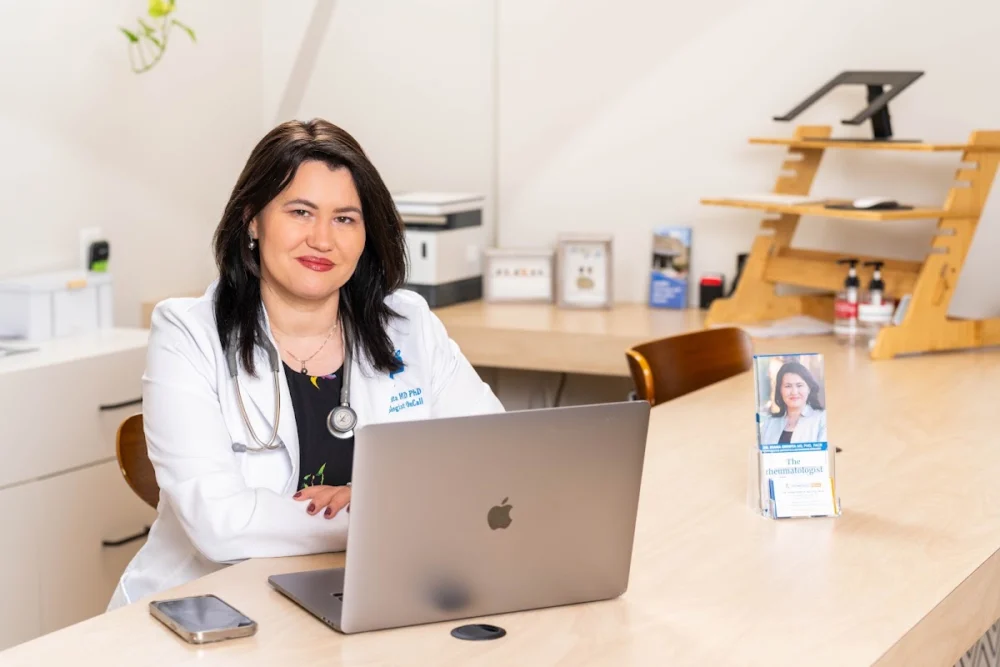
Rheumatologist OnCall, led by Dr. Diana Girnita, Dr. Vishnuteja Devalla, and Dr. Mirela Titianu, stands out as a beacon of expertise and personalized care in Costa Mesa. Their approach combines deep medical knowledge with a commitment to understanding each patient’s unique needs, ensuring tailored treatment plans. Patients benefit from thorough evaluations and proactive management, particularly for complex conditions like lupus and autoimmune disorders.
The practice excels in compassionate, evidence-based care, fostering trust through attentive communication and swift responsiveness. Whether addressing chronic inflammation or rare diagnoses, their collaborative and research-driven methodology delivers impactful results. The seamless integration of technology and accessibility further enhances the patient experience, making advanced rheumatology care both efficient and deeply impactful.

Dr. Girnita is an exceptional rheumatologist. She is kind and compassionate medical provider. Dr. Girnita is knowledgeable and extremely thorough. It is difficult to find doctors of this caliber. I am grateful to have her as my doctor.

My experience with Dr. Diana Girnita and Rheumatologist On Call has been truly life-changing. As someone living with lupus, I was frustrated after years of receiving inadequate care and struggling to find a rheumatologist who truly understood the complexity of this disease. From my very first appointment, Dr. Girnita took the time to listen, understand my concerns, and develop a personalized treatment plan. She has gone above and beyond to help me through multiple lupus flares and has worked closely with me to get my condition under control. What stands out most is not only her incredible knowledge and expertise in lupus, but also the genuine compassion she shows her patients. I always feel heard, supported, and confident that I’m receiving the best possible care. I highly recommend Dr. Girnita and Rheumatologist On Call to anyone looking for a rheumatologist who is both exceptionally knowledgeable and deeply committed to their patients’ well-being.

Dr Girnita delivers compassionate expertise with evidence-based diagnosis and treatment. She helped me recover from a vaccine injury in record time and gained my trust with her respectful listening and consideration of my concerns. No waiting weeks for an appointment and she was available by message or email always. I love her business model! I highly recommend Dr Girnita for your rheumatological concerns.

Dr. Girnita and ROC were completely amazing from the very first phone call. The office staff are engaged, knowledgeable and helpful. It was a privilege to see Dr. Girnita. Her knowledge, experience, wisdom, compassion, and care were truly unparalleled. I went to her with a very complex situation and she dug deep, did research, contacted other specialists, and came back with the correct diagnosis even before the final tests came through that I was working through with other medical facilities. This is a one of a kind service that is worth its weight in gold. I am so grateful for their care and help and wholeheartedly recommend them. Can't adequately express how impactful this has been for my health. Thank you, Dr. Girnita!

Dr. Girnita is incredible. I have axial psoriatic arthritis, which needs to be treated promptly with targeted medication as soon as symptoms begin. I saw three other rheumatologists before her, all of whom missed the diagnosis and would not provide medication sufficient to treat my symptoms or prevent disease progression. Dr. G correctly diagnosed me within twenty minutes of meeting me, then put me on my first biologic medication, which rapidly stabilized me and improved my mobility. She also coaches me on lifestyle changes that can act as a supplement to my medication. My only regret is that I did not start working with her earlier in the course of my disease.
6. Dilrukshie Cooray, MD
Tuesday: 8 AM – 5 PM
Wednesday: 8 AM – 5 PM
Thursday: 8 AM – 5 PM
Friday: 8 AM – 5 PM
Saturday: Closed
Sunday: Closed
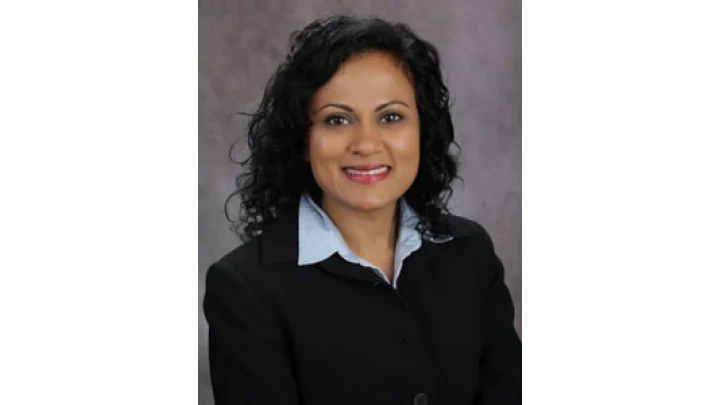
Dr. Dilrukshie Cooray, MD, is a highly regarded rheumatologist in Torrance known for her compassionate approach and meticulous care. Patients consistently appreciate her ability to listen attentively, ensuring they feel understood and respected throughout their visits. Her expertise extends beyond medical treatment, as she integrates personalized care with a focus on holistic well-being.
The practice emphasizes thoroughness, with clear explanations and thoughtful treatment plans tailored to individual needs. Both Dr. Cooray and her supportive staff are praised for their attentiveness and professionalism, fostering a trusting and reassuring environment for patients navigating complex health challenges.

With my over 2 decades dealing with my lupus and ever changing health insurance providers, I have had almost a dozen rheumatologists and Dr. Cooray is by far the best I have had. She treats me like a person, not a diagnosis. She takes into account my other health challenges and what is going on with my life. She takes her time to make sure I understand everything she is going over. Her staff is also wonderful.

Dr Cooray is a very kind, patient, thorough physician!! She’s very easy to talk to, and I feel she’s genuinely concerned bout your health! I would highly recommend her! I’m very thankful I found her!!

Dr. Cooray has been my Physician for a few years. I appreciate her focused concern. She listens to my concerns and takes them seriously. I appreciate that she does not pressure me to take meds when I am apprehensive about the side effects. She has an excellent Assistant in Jesus! He too is efficient and thorough. Together they are a great team!

Dr. Cooray is very caring and supportive. I feel that she truly cares during my visits. She is extremely knowledgeable. I never misses an appointment because I feel so much better after going over my health concerns with her.

Dr, Cooray is one of a kind. She is considerate and thoughtful and is always willing to listen to her patients. I can’t recommend her enough!

I was very pleased to meet Dr. Cooray. She was compassionate, informative, and patient.. She took her time getting to know me and had many insights into future test testing. I look forward to seeing her again.

Where to begin. Dr. Cooray is an exceptional physician, kind, compassionate and incredibly thorough. She takes the time to listen and explain everything clearly and in detail. I never feel rushed during my visits. I always feel heard and respected. I trust Dr. Cooray and feel confident in the treatment plan she is drawing up. Jesus, her assistant, is also kind and patient. Very helpful.
7. Arthritis & Rheumatology Clinic (ARC) San Diego, Surabhi Khanna MD
Tuesday: 8 AM – 5 PM
Wednesday: 8 AM – 5 PM
Thursday: 8 AM – 5 PM
Friday: 8 AM – 5 PM
Saturday: Closed
Sunday: Closed
Address stands out as a patient-centered rheumatology practice in the United States, where comprehensive care takes precedence. The clinic emphasizes thorough evaluations, combining detailed medical histories with advanced diagnostics like bloodwork and imaging to pinpoint underlying issues. This approach ensures precise, personalized treatment plans tailored to individual needs.
The team at Address is known for its attentive and efficient service, fostering a welcoming environment where patients feel heard and respected. Both staff and physicians prioritize clear communication, ensuring patients understand their conditions and treatment options without unnecessary delays. The clinic’s commitment to accessibility and compassionate care reflects its dedication to improving patient well-being.

This clinic is so awesome. I have just started…only 3 appointments. But I was thoroughly impressed after the first visit…..it was a detailed examination of my entire medical history including all my vaccinations. After that, what was the most important problem I wanted addressed. Next, bloodwork and x-rays to help determine exactly where the main reason for my aches. Enough of that. I could write a short story. My main reason for this review is to say I have been blessed. The entire staff is pleasant and they all work efficiently. And there is no long waiti to see the doctor. On time appointments! As for Dr. Khanna, she is wonderful and easy to be with. She answers all questions and what to expect and takes all the time you need…there is no rushing. I can only praise the ARC. My primary could not have recommended a better place than this. Thank you, Dr. Khanna as well as the entire staff.

My dad had been asking me to leave a review for a while, and after his last visit he reminded me again especially since Dr. Surabhi was kind enough to see him without an appointment. That meant a lot to him. She’s a great doctor, kind, attentive, and she really cares. She’s helped my dad a lot, and he’s actually getting better with her treatment, which we’re very grateful for. She takes her time and makes him feel heard, not like just another number. We really appreciate everything she’s doing and would definitely recommend her.

Dr Khanna is very thorough, patient and answers all questions posed to her. She did video conferences with me when I was hospitalized. We came up with a treatment plan that is proactive, but not too aggressive. Her MA is equally professional and efficient. I gave four star because initially there were issues with scheduling and miscommunication with the front office staff

I am so grateful for the exceptional care I have received from DR KHANNA. The front office staff is polite, professional, and phenomenal at following up with any issues. DR KHANNA takes time to listen and is excellent at explaining all aspects of my treatment. I feel so fortunate to have to have found this amazing Rheumatologist. I HIGHLY RECOMMEND DR SURABHI KHANNA.

Dr. Khanna is an exceptional rheumatologist who is both compassionate and knowledgeable. She truly cares about her patients’ well-being and takes the time to listen, explain treatments clearly, and provide thoughtful, personalized care. Her professionalism, kindness, and attention to detail make every visit reassuring and comfortable. I highly recommend Dr. Khanna to anyone looking for a rheumatologist who genuinely cares about their health and quality of life.

"I cannot say enough good things about Dr. Khanna and the entire staff. From the moment I walk through the door, I am greeted with warmth and professionalism. Dr. Khanna is incredibly knowledgeable, but what truly sets her apart is how deeply she cares about my health. She always takes the time to listen to my concerns, answers all my questions, and never makes me feel rushed. The staff is equally wonderful-always helpful, efficient, and kind. I highly recommend this practice to anyone looking for Arthritis and Rheumatology clinic.

Outstanding Fibromyalgia & Arthritis Care – ARC San Diego I went to the Arthritis & Rheumatology Clinic (ARC) San Diego primarily to address severe fibromyalgia pain that affected me even while my body was at rest. After trying a few other options with limited success, I decided to seek out Dr. Khanna’s clinic for a second opinion and to finally address underlying osteoarthritis issues that had been lingering for quite some time. From the very first interaction, the experience was exceptional. A special shout‑out to the care team, starting with the patient care coordinator Lester?, and also Kaila, Lesly, and Emma, who make you feel genuinely welcome and supported. They helped make the entire process seamless—from scheduling to follow‑ups—and set a positive tone for every visit. My initial appointment was with Bailee Hunter, PA, and I was immediately impressed by her thoroughness and attentiveness. She truly listened, took my concerns seriously, and thoughtfully adjusted my medications. The results have been life‑changing—my pain has steadily improved to the point where I now have hardly any symptoms at all, something that didn’t feel possible before coming here. At my follow‑up, I met with Dr. Surabhi Khanna, and that visit really solidified my confidence in the care at ARC. She conducted a very detailed exam and spent time discussing a holistic, integrated approach to managing my condition. She explained it with a memorable analogy—comparing the body to a car that can only run well when all four wheels are properly aligned. That framing made the treatment plan feel comprehensive, practical, and empowering. Overall, I feel extremely confident in the care, philosophy, and expertise at ARC San Diego. The providers are knowledgeable and compassionate, and the staff is consistently professional and kind. If you’re dealing with fibromyalgia, arthritis, or complex chronic pain and want a clinic that truly looks at the whole picture, I highly recommend Dr. Khanna, Bailee Hunter, and the entire ARC team.
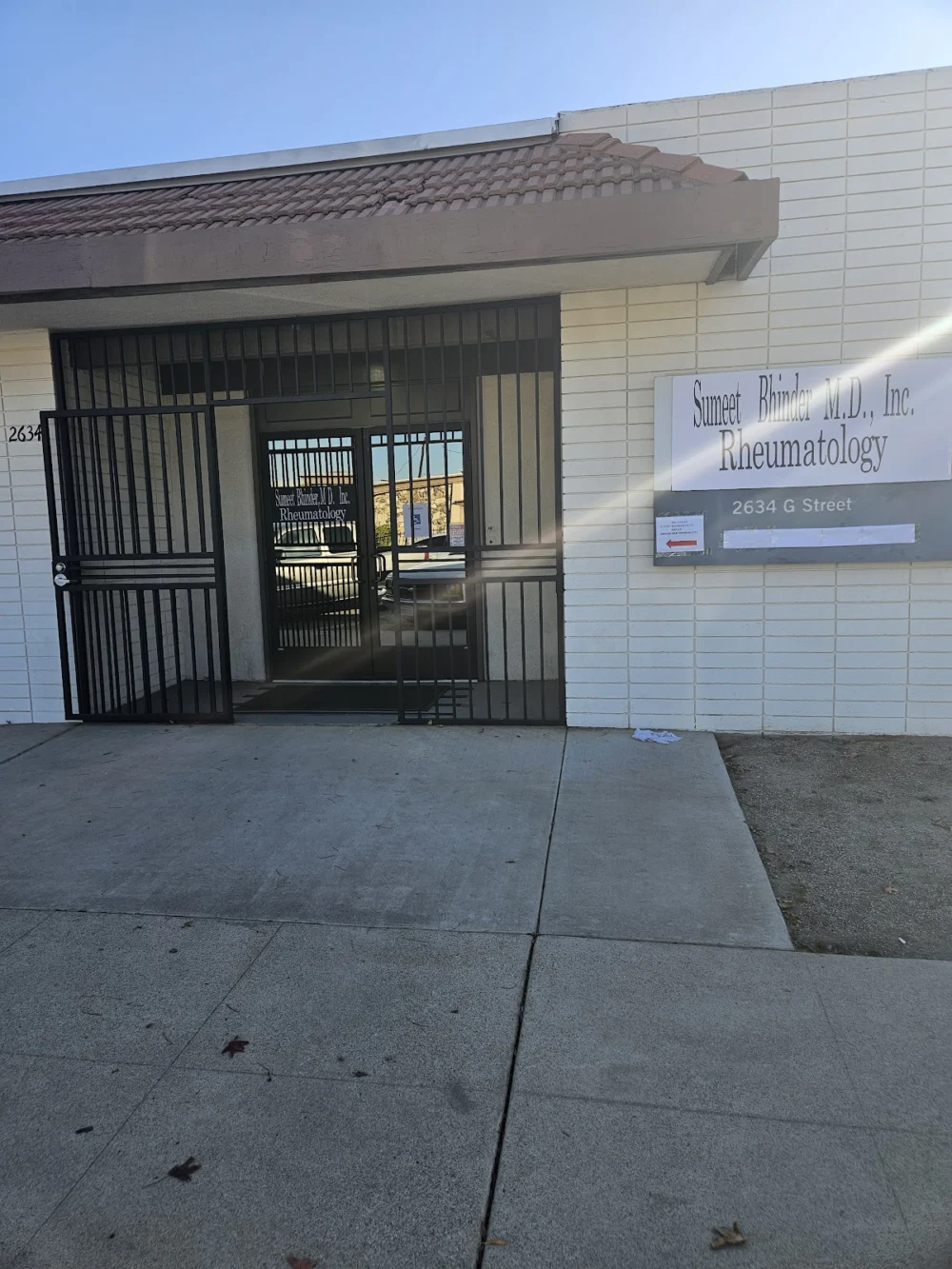
8. Sumeet Bhinder M.D. Inc
Tuesday: 8 AM – 12:15 PM, 1:15 PM – 5 PM
Wednesday: 8 AM – 12:15 PM, 1:15 PM – 5 PM
Thursday: 8 AM – 12:15 PM, 1:15 PM – 5 PM
Friday: 8 AM – 12:15 PM, 1:15 PM – 5 PM
Saturday: Closed
Sunday: Closed
Sumeet Bhinder M.D. Inc. offers comprehensive rheumatology care in Bakersfield, blending attentive medical expertise with a patient-centered approach. The practice emphasizes thorough evaluations, including physical assessments and specialized testing like bone density scans, to address complex conditions with precision. Staff members are noted for their friendliness and professionalism, fostering a welcoming environment where patients feel heard and supported.
While wait times can occasionally be lengthy, the practice prioritizes timely and thorough consultations once patients are seen. Dr. Bhinder’s dedication to understanding underlying causes and her team’s collaborative efforts contribute to personalized treatment plans. The office also values clear communication and compassionate support, ensuring patients receive both medical and empathetic care during their visits.
My nurse Kaur was great!! She listened to my symptoms and problems. She was very thorough by giving me a physical test, ordered labs and sent me to complete bone density exam. The staff were nice and was seen in a timely manner.

Dr. Bhinder made me feel she care and was very attentive. She has great attention to her patients and she was determined to find out more in deep the cause of my health condition. Even though this was my first time meeting with her I felt very confident she will have answers to my health concerns.

First Time patient. The waiting time was too long. There were multiple people scheduled at the same time. We waited an hour to be called, some other people had almost two hours waiting, we witnessed someone who was ready to walk out. The nurse practitioner who attended us was friendly knowledgeable and pleasant. Also the Phlebotomist did a good job. Thank you.

I waited for over an hour to be seen by someone who wasn't a doctor who seemed to be in a hurry during my actual timed visit. I don't like to be rushed. The receptionist was really nice, but the whole overall setup could be better.

Dr. Sumeet and her staff are so amazing. They are helpful and very patient with me. Her team along with a full network, a specialist positions at different offices put Humpty Dumpty back together again(ME😋) Once before. I pretty much bed ridden for 2 years straight weak barely able to walk to bathroom, having to stop ever step to catch my breath. Using A.i. as my daily journal pretty much like a therapist. A.i. always give you optional information, solutions and positive reinforcement. I’d take the information to Dr. Sumeet Bhinder along with my other doctors. As a slow process started to take root and I felt daily improvements. I had not felt good and alive in 20 years. I felt so good I was able to good back to work. But that was my downfall. I caught covid first day in orientation from co-worker. All gains lost and my lupus , sjogren’s and other autoimmune diseases a 100 times worse. But I have the team from Dr. Sumeet Bhinder office that meet you with warm friendly smiles and my other fantastic physicians across Bakersfield atmosphere. I hope this was not too long. I’m pretty much a shut in. Every time I leave my house for a doctors appointment. Even when is only a 15 minute drive. This starts a skating flair causing huge bloody sore on my face, the inability to explain myself because I forget the names of common items, I forget words and what I’m talking about mid sentence or even durning a word. This causes me to start stammering and stuttering like my brain is short circuiting. But yeah, that probably why I over share I’m a very friendly people person that love to take the GET Bus to meet new people. Now I’m unable to leave my house with out a full body breakdown. Well I wish you all well Peace Love Family
9. Hajra Tily, M.D.
Tuesday: 8 AM – 5 PM
Wednesday: 8 AM – 5 PM
Thursday: 8 AM – 5 PM
Friday: 8 AM – 5 PM
Saturday: Closed
Sunday: Closed
Dr. Hajra Tily, M.D., is a highly regarded rheumatologist in Modesto, known for her compassionate and personalized approach to patient care. Patients consistently highlight her ability to listen attentively, address concerns thoroughly, and foster long-term trust through thoughtful follow-ups. Her dedication to understanding individual needs extends beyond standard treatments, ensuring tailored solutions for lasting relief.
With a reputation for exceptional bedside manner, Dr. Tily balances professional expertise with genuine empathy, making complex medical discussions accessible and reassuring. Her commitment to continuity of care and patient advocacy has earned her loyalty from those managing chronic conditions for over a decade. A trusted name in rheumatology, she combines skill with a patient-first philosophy to deliver comprehensive, caring treatment.

Dr Tilly is amazing. She took her time with me even though I was the last patient. I love the fact she always remembers me and the things we talk about. What really encouraged me was she remembered our first visit and my biggest concerns and was able to remind me of that to help encourage me to keep doing the right thing. I look forward to seeing her every 6months.🫶🏽

Dr. Tilly has my resounding approval (which goes well beyond 5 stars). She goes beyond finding what works for your medical problem. I would, and have, recommended her to family and friends! I am grateful to have her as my doctor.

Love Dr Tily. Has been for over 11 years. always takes care of me and takes her time during my appointments answering all my questions and addressing any concerns if there’s ever any .

Dr. Tily at Sutter Gould is wonderful! She is very easy to talk to, and she honestly cares about her patients!! She gets to the bottom of your issues, and finds a way to treat them! I’m very fortunate to have her as my Doctor! She is a Rheumatologist, and an excellent one, I might add!

She’s a caring physician. She’s got a good heart. Listens to all your concerns. And insurances don’t stand a chance with her. She’s been my dr for over 16 years. I’ve changed insurances just to keep her. She’s a true gem!
10. Khurram Abbass, MD
Tuesday: 9 AM – 5 PM
Wednesday: 9 AM – 5 PM
Thursday: 9 AM – 5 PM
Friday: 9 AM – 5 PM
Saturday: Closed
Sunday: Closed
Dr. Khurram Abbass, MD, is a dedicated rheumatologist based in San Jose, known for delivering compassionate and personalized care. His approach emphasizes thorough consultations, clear communication, and attentive listening to patient concerns, ensuring a supportive environment for those managing complex conditions. The clinic’s team is equally committed to detailed and proactive treatment planning, fostering trust through expertise and empathy.
Patients appreciate the comprehensive care provided, from meticulous lab reviews to tailored treatment strategies. The practice stands out for its professionalism, even in challenging circumstances, and the dedication of staff to patient comfort and well-being. Ideal for individuals seeking a rheumatologist who prioritizes understanding, thoroughness, and a collaborative approach to health.

Dr. Abbass truly cares about his patients and has been attentive to my treatment from the very beginning. He is kind, pleasant, and easy to talk to. I previously saw another doctor who did not prioritize patient care and was often dismissive, with appointments that felt rushed. Switching to Dr. Abbass was a completely different experience. I always feel heard, supported, and genuinely well cared for. I highly recommend him.

Incredibly positive experience. I have had two visits with this clinic and each time the physician's assistants and nurses have been kind, attentive, perceptive, skilled, and proactive in their approach to patient care. The clinic notes after my visit were the most comprehensive and accurate that I've ever seen. And they were able to work with my unique needs to develop a care plan that I feel comfortable with. Everyone on staff is congenial and considerate. To illustrate: recently their building's air conditioning went out and the staff continued to work through the intense heat, tending to patients. They offered water and snacks to everyone and checked in regularly to make sure we were all ok in the waiting room. I have a complex medical history and it is hard to find doctors who genuinely listen and care. I'm so grateful to have found Dr. Abbass's clinic. Shout out to Erik and Priscilla in particular for being outstanding medical professionals.

Dr. Khurram Abbas is knowledgeable, attentive, and thorough. He takes the time to review my lab results, answer all my questions, and explain treatment options clearly. I appreciate that he listens to my concerns and includes me in decisions about my care. During my recent visit, he carefully examined my joints, reviewed my blood work in detail, and addressed every question I had. I left feeling informed and reassured. Thank you, Dr. Abbas, for your excellent care.

I highly recommend Dr. Khurram Abbas, MD, and his exceptional team. From the moment you walk in, Carla and the front desk staff create a welcoming and professional environment that immediately puts you at ease. Priscilla demonstrated remarkable patience and expertise while clearly explaining the different medication options available to me. Her knowledge and ability to communicate complex information in an understandable way gave me great confidence in my treatment plan. Dr. Abbas was equally attentive and thorough. He took the time to answer all of our questions and ensured we fully understood our options, allowing us to make well-informed decisions regarding my osteoporosis treatment. My husband and I are extremely pleased with the level of care, professionalism, and overall experience we received. We left feeling confident and grateful to be in such capable hands

I have been a patient of Dr. Khurram Abbass M.D. since 9/19/2022. I owe everything to him and his team of professionals. When you are having a concern they will listen to you and take your concerns seriously. Dr. Khurram Abbass M.D. has taken such great care of me all these years. I am so thankful that Dr. Khurram Abbass M.D. was able to get to the bottom of why I was having so much pain in my joints. He’s a life saver!! If you want to be well taken care of chose Dr. Khurram Abbass M.D. as your Rheumatologist. You won’t regret it!!
How to find your ideal rheumatologist at the best price in California?
Request help now to find the best price:
- Fill in the details and tell us what you're looking for
- We locate the best rheumatologist in California near you
- The company contacts you
- Who receives your request: the featured businesses in this listing that have their own contact email (a few at most, taking turns). If there are none, it goes to the owner of this website.
- What for: so they can reply with a quote. Once it receives your request, each business handles your data on its own account to reply to you.
- Legal basis: your consent, which you give by ticking the box and can withdraw at any time by writing to the owner of this website.
- How long it is kept: 1 year on this website; after that it is deleted.
Catalog of services offered by rheumatologists in California
Initial Assessments and Diagnosis
The initial process with a rheumatologist involves a comprehensive assessment to determine the nature and extent of your condition. This includes a detailed medical history, a thorough physical examination, and an evaluation of your symptoms. Accurate diagnosis is the first crucial step in developing a personalized treatment plan.
Laboratory Testing and Investigations
A wide range of laboratory testing and investigations are routinely conducted to aid in the diagnosis and monitor the progression of rheumatological conditions. These may include blood tests, urine analysis, and imaging studies like X-rays, ultrasounds, and MRIs, providing valuable insights into the underlying inflammation and damage.
Joint Injections
Joint injections, often utilizing corticosteroids or hyaluronic acid, are frequently employed to provide localized relief from pain and inflammation in affected joints. This targeted approach can significantly improve mobility and quality of life for patients experiencing arthritis or other inflammatory conditions.
Disease-Modifying Anti-Rheumatic Drugs (DMARDs)
Rheumatologists prescribe DMARDs to manage the underlying inflammation and slow down the progression of autoimmune diseases. These medications are designed to modify the course of the disease and prevent further joint damage, offering long-term disease management.
Physical and Occupational Therapy
Complementing medical treatment, physical and occupational therapy plays a vital role in managing rheumatological conditions. Therapists develop individualized programs to improve range of motion, strengthen muscles, and teach patients strategies for coping with pain and maintaining function, promoting self-management.
Pain Management Strategies
Rheumatologists implement various pain management strategies to alleviate pain associated with inflammatory conditions. This may include pharmacological interventions, such as analgesics and nerve pain medications, alongside non-pharmacological approaches like heat/cold therapy and relaxation techniques, contributing to overall symptom control.
Long-Term Monitoring and Follow-Up
Ongoing long-term monitoring and follow-up are essential for managing rheumatological conditions effectively. Regular visits with a rheumatologist allow for assessing treatment efficacy, detecting any disease progression, and adjusting the treatment plan as needed, ensuring optimal patient outcomes.
Specialist Referrals
In complex cases, specialist referrals to other medical professionals, such as orthopedic surgeons or neurologists, may be necessary for comprehensive care. Collaboration between specialists ensures a holistic approach to diagnosis and treatment, addressing the multifaceted aspects of rheumatological diseases.
Frequently asked questions about rheumatologists in California
What is a rheumatologist and what do they treat?
A rheumatologist is a medical doctor specializing in the diagnosis and treatment of rheumatic diseases. These conditions affect the joints, muscles, and bones, and can also involve other organs such as the heart, lungs, and blood vessels. Common conditions treated by rheumatologists include arthritis (osteoarthritis, rheumatoid arthritis, psoriatic arthritis), lupus, fibromyalgia, gout, and vasculitis. They focus on managing symptoms and slowing disease progression, often utilizing a combination of medication and lifestyle modifications.
How do I know if I need to see a rheumatologist?
You should consider seeing a rheumatologist if you're experiencing persistent pain and stiffness, particularly in your joints. Other symptoms that warrant a consultation include swelling, warmth, redness, fatigue, and fever. Recurring joint pain, even if it’s mild, can be a sign of an underlying inflammatory condition that a rheumatologist can diagnose and treat. Early diagnosis is key to preventing long-term joint damage.
What kind of examination does a rheumatologist perform?
A rheumatologist typically performs a thorough physical examination, assessing your range of motion, checking for tenderness and swelling in your joints, and evaluating your overall health. They’ll also take a detailed medical history, asking about your symptoms, family history, and any medications you’re currently taking. Diagnostic tests, such as blood tests, imaging scans (X-rays, MRI, ultrasound), and joint fluid analysis, may be ordered to confirm the diagnosis and rule out other conditions.
What tests will a rheumatologist order?
A rheumatologist may order a variety of tests to help diagnose your condition. Common tests include rheumatoid factor and anti-CCP antibodies to detect rheumatoid arthritis, anti-nuclear antibodies (ANA) to screen for lupus, and tests for uric acid levels to diagnose gout. Imaging tests such as X-rays, ultrasounds, and MRIs are used to visualize joint damage and inflammation. They may also order sed rate and CRP levels to assess inflammation.
What medications do rheumatologists typically prescribe?
Rheumatologists prescribe a range of medications to manage rheumatic diseases, including disease-modifying antirheumatic drugs (DMARDs) for autoimmune conditions like rheumatoid arthritis, pain relievers such as NSAIDs and acetaminophen, corticosteroids to reduce inflammation, and medications to manage specific symptoms like gout. The specific medications prescribed depend on the individual's diagnosis and the severity of their symptoms. Careful monitoring is essential to manage side effects.
How do non-pharmacological treatments fit into a rheumatologist’s approach?
Alongside medication, rheumatologists often recommend non-pharmacological treatments to manage symptoms and improve quality of life. These may include physical therapy to improve range of motion and strength, occupational therapy to help with daily activities, exercise programs tailored to your condition, and lifestyle modifications such as diet and weight management. A holistic approach is frequently adopted.
What is a biologic therapy and when is it used?
Biologic therapies are a newer class of medications used to treat rheumatic diseases, particularly rheumatoid arthritis and psoriasis. These drugs target specific parts of the immune system that are causing inflammation. They are often used when traditional medications are not effective or when the disease is rapidly progressing. Biologic therapies can significantly reduce inflammation and slow disease progression, but they require careful monitoring due to potential side effects.
How often will I need to see a rheumatologist?
The frequency of rheumatologist visits depends on the severity of your condition and your individual needs. Initially, you may be seen more frequently – perhaps every 1-3 months – for monitoring and treatment adjustments. As your condition stabilizes, the frequency of visits may decrease to every 6-12 months. Regular follow-up appointments are crucial for managing your condition effectively and detecting any changes early on.
What is the role of patient education and self-management?
Rheumatologists place a strong emphasis on patient education and self-management. They will provide you with information about your condition, how to manage your symptoms, and how to prevent complications. You’ll be encouraged to take an active role in your care, including monitoring your symptoms, following your medication regimen, and making healthy lifestyle choices. Effective self-management is a cornerstone of successful treatment.
How do I find a qualified rheumatologist in California?
You can find a qualified rheumatologist in California through your primary care physician’s referral, online directories such as the California Physicians Network or the American College of Rheumatology website, or by contacting your insurance provider for a list of in-network specialists. When choosing a rheumatologist, consider their experience, specialization, and patient reviews.