
Best schools in California: find options near you
California stands as a beacon for families seeking top-tier educational opportunities, where institutions of all kinds shape the future of countless students. Among the most distinguished are those recognized for their academic excellence, innovative teaching methods, and commitment to fostering well-rounded individuals. These educational hubs cater to diverse needs, from early childhood development to advanced studies, ensuring every learner finds a nurturing environment to thrive.
The state’s reputation for fostering some of the nation’s finest learning environments is well-earned, with many programs earning accolades for their rigorous standards and holistic approach. Whether prioritizing STEM education, arts integration, or specialized curricula, these institutions consistently deliver outcomes that prepare students for success. Their influence extends beyond classrooms, often setting benchmarks for what quality education can achieve in a dynamic and supportive setting.
Discover 7 outstanding options for schools in California
Here are 7 outstanding options for schools in California based on value for money:
1. California State University, Fresno

Tuesday: 8 AM – 5 PM
Wednesday: 8 AM – 5 PM
Thursday: 8 AM – 5 PM
Friday: 8 AM – 5 PM
Saturday: Closed
Sunday: Closed
California State University, Fresno stands out as a dynamic institution blending academic excellence with a welcoming atmosphere. Its sprawling, well-maintained campus features modern facilities, including the expansive Henry Madden Library, and offers a serene environment with abundant greenery and historical charm. The university excels in diverse academic programs, particularly in agriculture, business, and health sciences, supported by dedicated faculty and hands-on learning opportunities like the 1,000-acre campus farm.
Fresno State fosters a rich student experience through collaboration with local schools, community engagement, and a variety of extracurricular activities. The campus’s central location and amenities—such as athletic venues and cultural centers—enhance accessibility and inclusivity. With a focus on innovation and student success, it remains a compelling choice for those seeking a balanced, enriching educational journey.

Here’s a thoughtful thank-you note for the Fresno State tour guide: Subject: Thank You for the Fresno State Campus Tour On behalf of our 3rd and 4th-grade scholars, I want to extend a heartfelt thank you for the wonderful tour of Fresno State! Your enthusiasm, knowledge, and hospitality made the experience both engaging and inspiring for our students. We truly appreciate the time and effort you put into showing us around and making the visit so memorable. This tour gave our students a glimpse into the possibilities that higher education holds, and we are grateful for the positive impact you made. Thank you again for your kindness and dedication! Best regards, Dahlia mom

I came to this school and it is constantly changing. Especially with the pandemic slowly bringing things back. They are remodeling plenty and the campus is beautiful and very spread out. You can enjoy the little critters and plenty of flowers and trees to stare at. This school has plenty of history and beautiful views. Wether you came to this school or want to come to this school, it is definitely in a great centralized location with plenty of amenities both on and off campus. Bulldog born, Bulldog bread 🐾

Melvin Ely, Fresno State & NBA player was in-town all last week.

My granddaughter was enrolled in a Summer Program out there for Music, she enjoyed her week out there.☺️☺️

My son pokemon hunts on the Fresno State grounds. Its beautiful and I feel comfortable just reading and watching. 🥰🥰

Too many good things to list. They do collaborate with elementary schools' summer program which allows young kids explore the college and its many opportunities.

Review of California State University, Fresno ⭐⭐⭐⭐⭐ California State University, Fresno, commonly known as Fresno State, is an exceptional institution that offers a diverse and comprehensive educational experience. Located in the heart of California's Central Valley, Fresno State provides a vibrant campus life, rigorous academic programs, and a supportive community for students from all walks of life. The university's campus is beautiful, with well-maintained grounds and state-of-the-art facilities. The Henry Madden Library, one of the largest in the CSU system, is a standout feature, offering extensive resources and a conducive environment for study and research. Additionally, the campus boasts modern classrooms, labs, and recreational facilities, ensuring students have access to everything they need for a well-rounded education. Fresno State is renowned for its strong academic programs, particularly in areas such as agriculture, business, engineering, and health sciences. The faculty here are dedicated and knowledgeable, often going above and beyond to support their students' academic and personal growth. Small class sizes allow for personalized attention and foster a collaborative learning environment. One of the university's unique highlights is its agricultural program, which includes the 1,000-acre campus farm. This hands-on learning environment provides students with invaluable practical experience and has earned Fresno State a reputation as a leader in agricultural education. The student life at Fresno State is vibrant and inclusive, with numerous clubs, organizations, and events that cater to a wide range of interests. The Student Recreation Center, the Save Mart Center, and Bulldog Stadium provide ample opportunities for students to engage in sports, fitness, and entertainment. The university's commitment to diversity and inclusion is evident in its various cultural centers and programs that support underrepresented groups. Fresno State also has a strong connection to the local community, offering various outreach programs and opportunities for students to engage in community service and internships. This not only enhances students' educational experiences but also helps them build valuable professional networks. Overall, California State University, Fresno, is a fantastic place to pursue higher education. Its combination of excellent academic programs, supportive faculty, modern facilities, and a vibrant campus life makes it an ideal choice for students seeking a well-rounded and enriching university experience. Whether you're interested in academic excellence, personal growth, or community engagement, Fresno State has something to offer.
2. California State University, San Bernardino
Tuesday: 6 AM – 10 PM
Wednesday: 6 AM – 10 PM
Thursday: 6 AM – 10 PM
Friday: 6 AM – 10 PM
Saturday: 6 AM – 10 PM
Sunday: Closed
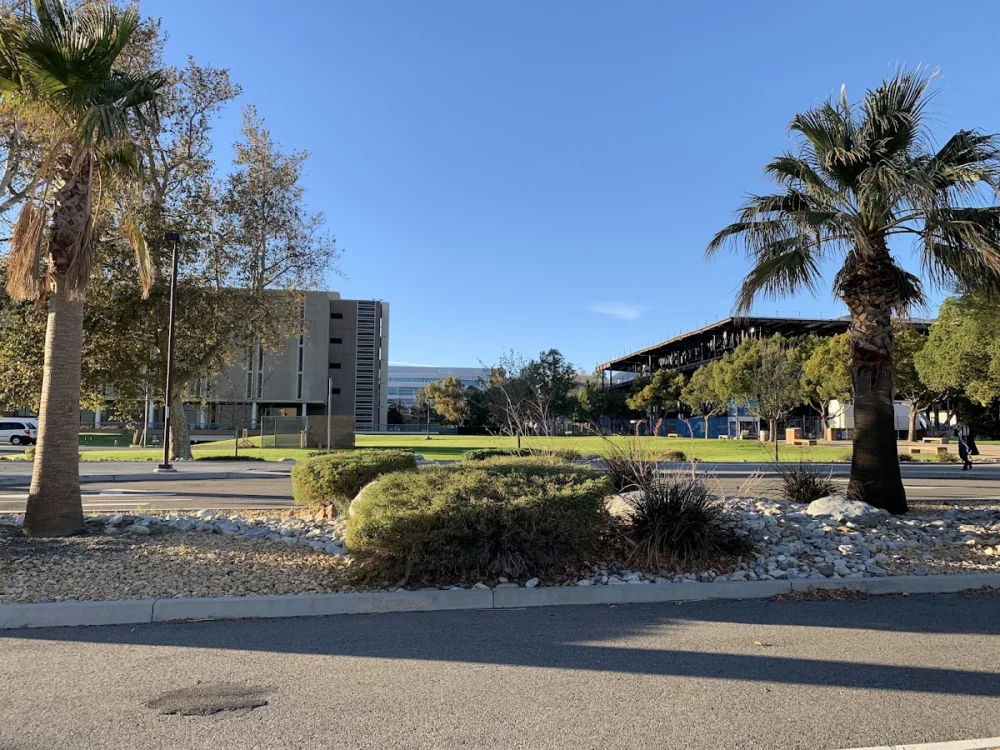
Located in the United States, this institution offers a diverse academic environment with modern facilities and a well-maintained campus. Students benefit from a broad spectrum of resources, including up-to-date amenities and a supportive learning atmosphere. The faculty expertise varies, with some professors bringing valuable industry experience to the classroom.
While the art program may not meet the expectations of aspiring professionals seeking intensive training, it provides foundational knowledge. The surrounding community offers limited local opportunities, though the campus itself is equipped to foster student engagement. Career readiness varies by major, and strategic planning is key to leveraging available support systems.

The art program here is disappointing. If your goal is to seriously develop as an artist, this is not the place. The program is severely underfunded and understaffed, with limited course offerings scheduled at inconvenient times, making it difficult to get the classes you need. While some professors are knowledgeable, the overall teaching quality is inconsistent. At times, there is a lack of engagement, and the work encouraged can feel uninspired and unoriginal. There also appears to be favoritism between certain faculty and students, which further detracts from the experience. If you are serious about pursuing art you may want to consider stronger programs at schools like Long Beach, Northridge, or Fullerton. In its current state, this program feels out of touch and does little to support creative growth. That said, the campus itself is clean, modern, and offers a wide range of resources for students. However, the surrounding area can be challenging without a car, and both housing and job opportunities—on and off campus—are limited and highly competitive. I can’t speak for other majors, but for art, I would not recommend this program.

Graduated (B.A Phil) in one of the worst times (COVID)- not CSUSB's fault – but after being rejected to over a dozen entry level positions on campus. I had to realize that not all majors are treated the same, and you do have to choose wisely when it comes to school. In many ways, CSUSB could have more support to their students (i.e having support/career building programs per the individual's major). but without going to CSUSB – I wouldn't have met my wife and created my family; so at the end, it must not have been too bad. Just be careful with what you are studying and make sure you understand what resources are available to you (a known issue that currently exists (i.e not all students knowing about the "DEN"/ their Food assistance program & etc.)

School is a joke, the entrepreneurship program is laughable. Was the easiest and worst class I've ever taken. Anyone that takes the simplest business class will already know more than what you will here. The instructors preach about starting a business but none of them even have a business. Not to mention the insane fees you will pay on top of your tuition (mine were 2k for one class). Stay away and go to a real school.

Beautiful campus, if your thinking about going here don't just do it.

csusb's bachelor's degree/program in administration supply chain management program is a joke and completely unprofessional. I called and spoke with their secretary/receptionist and the "dean" of the program who laughed at me and mocked my serious questions about the program. Like other people said, you get what you pay for. It's no surprise that cal state schools are inferior compared to UC schools.

Excellent university, highly recommended, high professional standards and good professors

Excellent school and great professor's that treated me good.
3. UEI College – Fresno

Tuesday: 8 AM – 8 PM
Wednesday: 8 AM – 8 PM
Thursday: 8 AM – 8 PM
Friday: 8 AM – 5 PM
Saturday: Closed
Sunday: Closed
UEI College in Fresno offers career-focused programs designed to equip students with practical skills for in-demand fields like healthcare, criminal justice, and HVAC. The institution emphasizes hands-on learning and instructor support, with many educators praised for their expertise and dedication to student success. While some graduates highlight strong career services and externship placement, communication gaps in post-graduation assistance have occasionally been noted.
The admissions process, however, has raised concerns about transparency in financial aid eligibility, with students sometimes feeling pressured into enrollment agreements before fully understanding their options. Despite this, UEI’s structured programs and engaged faculty provide a solid foundation for those committed to professional growth. Prospective students should carefully review aid details and support structures before enrolling.

I previously graduated from here and reached out to get help to update my resume after calling and finally getting ahold of someone and sent over my resume via email never heard anything back I followed up 3 days in a row and the person was out of office for that week so someone else was going to help me instead so I emailed them my resume and never heard anything back nothing through my email or call. Very bad at communicating no one has ever gotten back to me and it's been 3 weeks so I just ended up doing it myself even though they tell you after you graduate they help you look for jobs and update resumes and all I needed was to add more work experience to my resume I wasn't asking for much.

UEI College – Fresno I salute the Instructors and the whole organizational staff. Im proud to say I just completed the allied health medical assistant program as well as my externship. This is not my first or second time going to college, this was a personal career change something I was meant to do, and I'm so glad I choose UEI to do it with. They will give you the tools you need, it's all up to you what you do with it.

Robert from career services was absolutely amazing with helping me get ready for the outside world and next steps after graduation! Because of his placement with my externship and recommendations I was hired on at my dream site! I couldn’t have been more happy with the outcome of UEI and their amazing staff!

Most instructors here—are knowledgeable and excellent. However, the admissions and financial aid process is misleading and predatory. Prospective students are rushed through tours and quickly pushed into signing enrollment contracts without first being clearly told whether they actually qualify for financial aid. Financial aid eligibility should be confirmed before any binding agreement is signed. Instead, students are locked into contracts first, then sent to financial aid afterward, stripping away any real ability to make an informed, responsible decision. The administration and financial aid staff are fully aware of how this process is structured, and they should be ashamed of operating in a way that pressures people into binding financial commitments without full financial transparency. This is especially concerning given that many prospective students are low-income individuals or people in difficult financial circumstances who are seeking a way to improve their situation. That reality makes this lack of transparency even more troubling and irresponsible. This approach prioritizes enrollment over honesty and puts students at unnecessary financial risk based on incomplete information. Schools should be required to verify financial aid eligibility before any enrollment agreement is signed—not after.

Man oh man ⭐️⭐️⭐️⭐️⭐️ I’m currently in the Criminal Justice program at UEI College, and honestly it’s been a great experience. The environment pushes you to stay focused and take your goals serious. If you really want to level up and build something for your future, this is a solid place to start. My recruiter, John Zeller, has been amazing from day one. He makes sure I stay on top of everything and never fall behind. He checks in, answers my questions, and really shows he cares about my success — not just enrollment. That support means a lot. And shoutout to my instructor, John Anger. He keeps me focused and challenges me to stay sharp. He makes sure we understand the material and keeps the class engaged. You can tell he wants us to win. If you’re thinking about Criminal Justice, UEI is the move. Legacy ain’t given — it’s built 💪🔥- Marquese Worthem

I'm attending the HVAC program and my instructor is the best! He's passionate about his profession and wants to see his students succeed in this industry. The coordinator Mr. Lopez is a greate person too. He helps with what he can and also wants to see students succeed in HvAC world.

I'm studying to be HVAC and it's been a blast. Hands on learning, job support, and UEI was recommended by multiple field technicians.
4. California Institute Of Medical Science
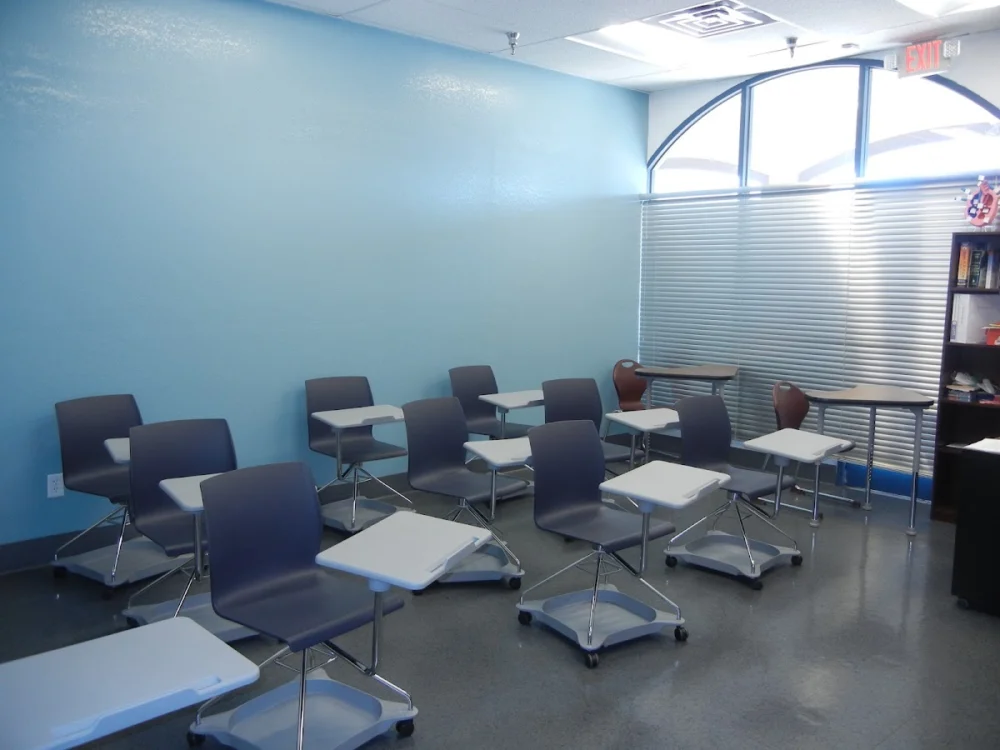
The California Institute of Medical Science in Clovis offers a hands-on approach to medical training, blending classroom instruction with practical experience. Students benefit from supportive staff who emphasize real-world readiness, ensuring skills like phlebotomy, EKGs, and injections are mastered through interactive labs and externships.
With a focus on personalized guidance, the program accommodates diverse needs while fostering a welcoming environment. Small class sizes and dedicated instructors create a collaborative atmosphere, preparing students for careers in healthcare with confidence and competence.
California Institute Of Medial Science was a great program that helped me get started in the medical field. I completed a 6 month course and as soon as I passed finals I was placed on an externship where I was hired on shortly after as soon as I finished my hours. All Thanks to this program! Staff is great and Ms.B is helpful and teaches you what you need to know before you’re off on your own. The training is so worth it.

This school is very welcoming and the teacher genuinely wants the best for you. Ms b is an amazing teacher and extremely fair. Sherry has been an amazing help and so has Melinda! The experience was super nerve wracking at first considering I had my first baby a few months before joining this program but overall the school and staff have been extremely accommodating to my circumstances. The modules have been very easy to get through and the NHA website they use for school has made the experience a lot easier to get through. I do have to say though, my favorite part of this program year has been lab days. I enjoy the hands on part of learning. We do blood draws, shots, ekgs, vitals. You name it, we do it. Me b has been outstanding at teaching us proper technique to make sure we’re all prepared for extern once we finish the program. I 100% recommend this program for anybody who is interested in a dedicated school to making sure you succeed. They want the best for you. They work with you. Extremely happy with my experience thus far.

Hands down one of the greatest learning environments I've encountered. The campus is somewhat small but I think it's better that way, it really gives you the chance to get to know the staff and get a really good experience. They really go above and beyond for their students and are constantly checking in to see if we need any help or guidance. I recommend to everyone I know looking into the areas they teach.

As a student with little knowledge in the medical field I chose the Lab Assistant course at California Institute of Medical Science. All of the skills and training received were exceptional. It as fun, interactive and very helpful. The clinical hours are even more exciting. I would definitely recommend this course to anyone who loves working with people and would like to give back to the community. My words cannot explain how much gratitude I have for the involvement in my continuing education by the staff at CAIOMS.

I was nervous about starting school, the teacher put me at ease right away. I had the best learning experience and my classmates were great as well very hands on which is what is needed. California Institute of Medical Science is the best school I have been to and had a great phlebotomy course and I have already recommended it to family and friends.

CIMS is a great place to learn. Most of the staff are not only amazing and welcoming but friendly and helpful. Sherrie was so helpful with registering and helping with any and all problems with ADB. Mr. Jackson is a man of few words but always welcoming and helpful. Ms. B is an amazing instructor, she’s tough but exactly what is needed to prepare you for the medical field. If you listen, pay attention and put a little effort in you’ll do amazing. Thank you for helping me get back into the medical field, I’ve always been fascinated by it all. I would definitely recommend my friends and family to CIMS. Thank you Sherrie, Mr. J and Ms. B I can assure you I’ll make you proud!

I attended California Institute of Medical Science for medical assisting and it was everything I could ask for. The first portion of the program is in classroom training and the second half is getting sent out to externship and I learned so much throughout the whole program. At school I learned to draw blood, give injections, test our blood, EKG’s, and so much more. We also got to dissect a human heart which I found so interesting. At externship I learned even more and I’m so happy I chose this place to start my future. The staff are also very kind and helpful with anything you might need or have questions about. If I had to do it all over I would pick this place again.
5. California Health Sciences University (CHSU) – College of Osteopathic Medicine
Tuesday: 8 AM – 5 PM
Wednesday: 8 AM – 5 PM
Thursday: 8 AM – 5 PM
Friday: 8 AM – 5 PM
Saturday: Closed
Sunday: Closed
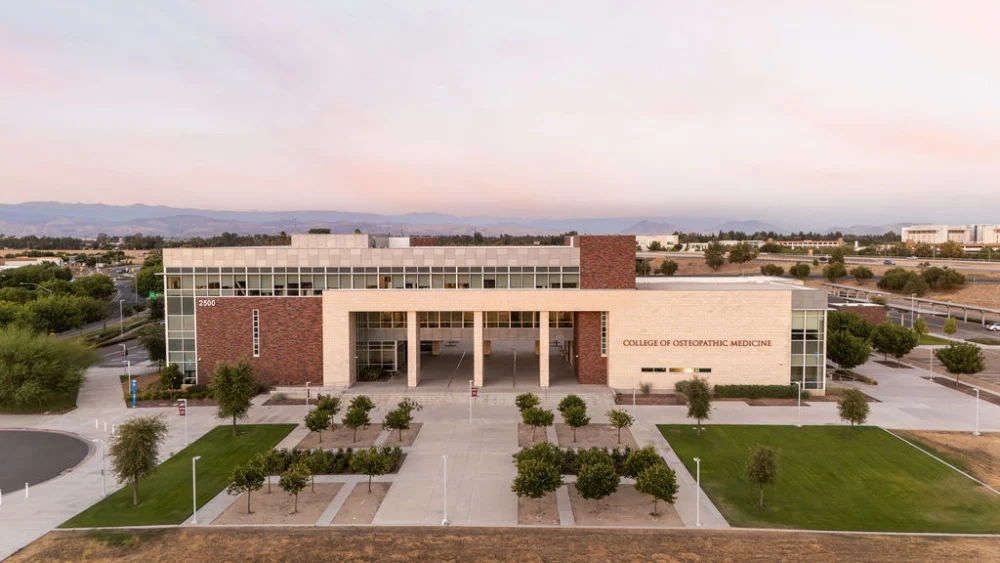
Located in the thriving community of Clovis, California Health Sciences University’s College of Osteopathic Medicine stands out as a modern addition to local education. Its state-of-the-art simulation center reflects a commitment to preparing 21st-century healthcare professionals, offering advanced training facilities. The campus itself is praised for its clean, welcoming design, blending seamlessly into the region’s growth.
The institution emphasizes a collaborative environment, fostering strong relationships among students, faculty, and staff. While its recent history includes challenges with accreditation, the university continues to build on its mission to elevate medical education. Clovis’s pride in hosting such a facility underscores its role as a hub for innovation and community-driven progress.

Beautiful, nice, and clean. Great students, faculty, and staff! Happy to be part of such a wonderful mission and environment.

As a long time resident, I was so thrilled to witness the construction that my eyes could not believe this education addition to our community. So, Very Proud, CLOVIS is Outstanding, unequalled community, may it always remain as such a superior level! Thank you, Clovis!!!!

Great to have a School of Osteopathy right here in Fresno!

Amazing new medical university. The simulation center is state of the art facility, for educating, 21st century doctors. Very well equipped.

If I could I would give zero stars. The owners of CHSU and the Pharmaceutical college lost both accreditations. Not to be trusted.

Awesome students and staff!
6. Carrington College Fresno

Tuesday: 7 AM – 10 PM
Wednesday: 7 AM – 10 PM
Thursday: 7 AM – 10 PM
Friday: 8 AM – 5 PM
Saturday: Closed
Sunday: Closed
Carrington College Fresno is an institution dedicated to preparing students for careers in the medical and healthcare fields, offering programs like Pharmacy Technician and Dental Hygiene. Known for its hands-on training, the college emphasizes practical experience to build confidence and competence. The faculty is often praised for their supportive approach, fostering an environment where students feel encouraged to grow.
While the academic and instructional quality is generally strong, some students report challenges with career services consistency, particularly in job placement support. Administrative responsiveness can vary, and delays in processing certifications or documentation have been noted. Prospective students should weigh these factors alongside the college’s commitment to skill development and individualized attention.

I’ve had a great experience at Carrington College. The instructors are very supportive and truly want their students to succeed. I’ve learned a lot in the Pharmacy Technician program, and the hands-on experience has helped me feel more confident and prepared for my future career. I’m grateful for everything I’ve learned and would definitely recommend Carrington College to others.

Graduated last year from here around October 2025. Teachers are great. Career service advisors are not… I had 1 career service advisor, Nikolai. He was great. I appreciated him so much. Unfortunately, he moved away so I switched career advisors like 3 times. Neither one of those career advisors were helpful. I had tried reaching out to them since January since I was told they could help me get a job in this city, because it is so hard to find something here. And I have called the school looking for someone over 30 times. I’ve gone in to ask for someone and conveniently enough, no one is ever there? It’s been ALMOST a year and still have gotten NO help from them. I understand getting us ALL into a job could be difficult, but the least they can do is acknowledge I’m asking them for help and letting me know by ANSWERING their phones and giving me a straight answer. The school is great at having debt collectors call you to collect their money, but where the hell am I going to get money from when they can’t even help me find a job?? Please, make sure you force them to HELP you before you spend THOUSANDS on ONLY graduating and not getting help on finding a job or careers afterwards…

Best college to start career in medical field. This college not only gave me skills and experience but also self confidence. Migrated from different country with whole different education system was hard task for me to begin. Wasted two years at community college taking classes without knowing what i want to do in life. From day one to graduation got helped by every staff member. Thank you Dean Jerry Franksen , couselor Ms shannon and instructor Ms Tammy Dunn. Being a full time student and full time employee was challenging at some points where Ms tammy helped me to stay on track and keep going. She always motivated, helped and pay attention to everyone student in class to succed. At first i was shy , lack of confidence and fear of asking questions but in her class i learned to communicate fearlessly and confidently.

SJVC is a great college, it is tailored to the profession, and offers an array of programs to choose. It focuses on all the necessary curriculum and skills to prepare you for the workforce. The staff is very welcoming, the class sizes are perfect to allow you to get extra clarification on skills, homework etc. I'm very happy I chose SJVC, I still have a ways to go but I'm ready for what is in store come next term. I hope you'll make it your choice to!

One of the teachers is terrible, but whatever we got through the school and received a certificate. It's been 5 months after graduating and still haven't received my trainee card. They'll tell you it's the state's fault, but the state hasn't received documentation from the school to process the card. I've talked with the SJVC staff many times, but they don't supply answers or solutions. I've talked to California's Department of Industrial Relations and they haven't received any information about me from the school. 10 months of training and hard work. Passed all my classes, I'm making the payments for tuition, and this dang school won't process my information for a dang trainee card… I can't recommend this school to a mentally healthy individual.

Drop and pick up rere everyday is it going to school to be a dental hygienist or maybe a dental assistant I'm not sure one of those

I didn't want to write this review. I wanted to graduate, get my certification, and move on with my life. But after the experience I’ve had at Carrington College, I feel a moral obligation to warn anyone considering this place. I went into this program with a clear career roadmap and a lot of ambition. I was building a great network and looking forward to my future. But when I encountered serious safety concerns and harassment, the 'supportive environment' promised by the school completely vanished. I didn't just complain once; I did everything by the book. I compiled a documented, time-stamped record of these issues and brought them to every level of administration, from Student Affairs all the way to the executive leadership. You know what I got in return? Silence. Total, cold indifference. The administration’s refusal to address these grievances didn't just disrupt my studies—it dismantled my mental health and my professional path. It’s a surreal and painful experience to watch your peers move forward toward their futures while you’re left sidelined, not because you couldn't do the work, but because the school chose to protect their own reputation over your safety. If you are looking for a school that will actually have your back when things get difficult, look elsewhere. Carrington isn't here to help you succeed; they’re here to collect tuition and hope you stay quiet when they fail you. I’m currently dealing with the long-term professional and personal fallout of this negligence, and I wouldn’t wish that on any student. Save yourself the time, the money, and the mental toll. Do yourself a favor and find a school that actually treats its students like human beings. UPDATE/EDIT: The school’s reply, a generic request for a private message is a standard public relations tactic. To be clear: I have already attempted to resolve these concerns through the appropriate formal channels, including Student Affairs and executive leadership, multiple times. My formal, time-stamped grievances were met with institutional silence. I am not interested in a private conversation that mirrors the same lack of action I have already experienced. I expect the institution to fulfill its obligations regarding the documented grievances already in your possession. If Carrington College is truly committed to student well-being, the evidence of your failure is already in your file. I am waiting for an official, public-record response to those issues."
7. California Health Sciences University (CHSU)
Tuesday: 8 AM – 5 PM
Wednesday: 8 AM – 5 PM
Thursday: 8 AM – 5 PM
Friday: 8 AM – 5 PM
Saturday: Closed
Sunday: Closed
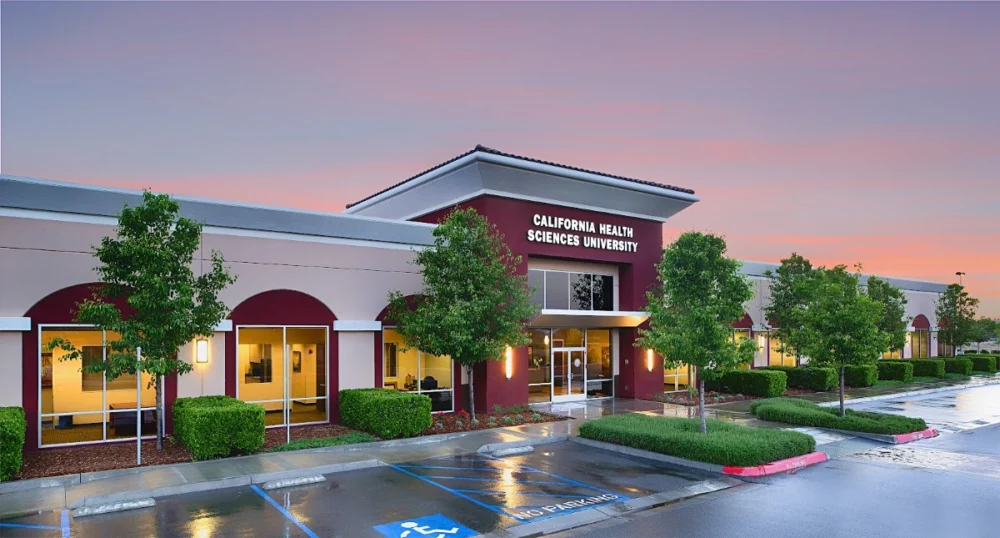
Located in Clovis, California Health Sciences University (CHSU) offers a focused environment for those exploring vocational studies in healthcare. Its programs cater to individuals seeking hands-on training and a practical introduction to medical fields, with an emphasis on foundational skills and career readiness.
The institution provides a structured setting for aspiring professionals, though its offerings may not suit those looking for broader academic or research-oriented pathways. For targeted, skill-based education in healthcare, CHSU delivers a straightforward and accessible experience.

Great place to get your vocational studies and finding your interest in a medical field.

Go somewhere else
How to find your ideal school at the best price in California?
Request help now to find the best price:
- Fill in the details and tell us what you're looking for
- We locate the best school in California near you
- The company contacts you
- Who receives your request: the featured businesses in this listing that have their own contact email (a few at most, taking turns). If there are none, it goes to the owner of this website.
- What for: so they can reply with a quote. Once it receives your request, each business handles your data on its own account to reply to you.
- Legal basis: your consent, which you give by ticking the box and can withdraw at any time by writing to the owner of this website.
- How long it is kept: 1 year on this website; after that it is deleted.
Catalog of services offered by schools in California
Early Childhood Education Programs
California schools offer a diverse range of early childhood education programs, including preschool and transitional kindergarten. These programs focus on developing foundational skills in literacy, mathematics, and social-emotional learning, preparing children for success in elementary school. Curriculum often aligns with state standards, emphasizing play-based learning and individualized attention.
Elementary School Curriculum
The elementary school curriculum in California is designed to foster a love of learning and build a strong academic base. Students typically engage in instruction across core subjects like language arts, mathematics, science, and social studies. Emphasis is placed on critical thinking, problem-solving, and collaborative skills development, alongside foundational reading and writing abilities.
Middle School Programs
Middle school programs represent a crucial transition phase for students. California schools provide support in navigating increased academic rigor and social complexity. Students typically explore a broader range of subjects, including elective courses, preparing them for the challenges of high school. Guidance counseling services are readily available to support their academic and personal growth.
High School Diploma Programs
The high school diploma programs in California offer a pathway to further education or career preparation. Students can choose from a variety of courses, including Advanced Placement (AP) courses, vocational training programs, and career and technical education (CTE) pathways. Graduation requirements include coursework, standardized testing, and community service hours, demonstrating preparedness for college or the workforce.
Special Education Services
California schools are committed to providing special education services to students with disabilities. These services are tailored to meet individual needs and are delivered through individualized education programs (IEPs). Support can range from specialized instruction and assistive technology to therapies and related services, ensuring that all students have the opportunity to reach their full potential.
Gifted and Talented Programs
Schools in California offer gifted and talented programs designed to challenge and nurture exceptionally bright students. These programs provide accelerated learning opportunities, enriched curriculum, and opportunities for advanced study and research, fostering intellectual curiosity and leadership skills. Placement is often determined through standardized testing or teacher recommendations.
Extracurricular Activities and Athletics
Beyond academics, California schools offer a wealth of extracurricular activities and athletics. Students can participate in a wide range of clubs, sports teams, and performing arts programs, fostering teamwork, discipline, and personal growth. These activities complement academic learning and provide opportunities for students to explore their interests and talents.
College and Career Counseling
Schools in California provide college and career counseling services to help students plan for their future. Counselors guide students through the college application process, assist with financial aid applications, and provide information about career pathways. Support is offered to explore career interests, develop college readiness skills, and make informed decisions about their post-secondary education and career options.
Frequently asked questions about schools in California
Understanding School Districts in California
California operates under a county-based school district system, meaning that school districts are typically organized around geographical boundaries within a county. These districts vary significantly in size and resources, leading to differences in funding levels, teacher qualifications, and the quality of educational programs offered. Understanding the specific district your child attends is the first crucial step in advocating for their education.
What are Charter Schools?
Charter schools are publicly funded but independently operated schools that often have a specific educational focus or innovative teaching methods. Unlike traditional public schools, charter schools have more autonomy over their curriculum and operations. However, they are held accountable for meeting certain performance standards and must demonstrate student achievement.
How are California Schools Funded?
California schools are funded through a combination of state and local sources. State funding is primarily derived from income and sales taxes, while local funding comes from property taxes. This system can lead to significant disparities in funding between wealthier and poorer districts, impacting resource availability and educational opportunities for students. Equalized funding formulas are continually debated and adjusted.
What is the California Standardized Testing System?
California utilizes a standardized testing system known as the California Assessment of Student Performance and Progress (CAASPP). These tests are administered annually to measure student proficiency in reading and math. The results are used to evaluate school performance and identify areas where students may need additional support. The tests are a key component of accountability measures, but are also subject to ongoing debate regarding their validity and impact.
How do I Enroll My Child in a California Public School?
The process of enrolling a child in a California public school typically involves completing an enrollment packet, providing proof of residency (such as a utility bill or lease agreement), and submitting required documentation like the child's birth certificate. Each school district has its own specific enrollment procedures, so it's essential to contact the school directly for detailed instructions. Open enrollment periods offer opportunities for students to change schools.
What are Magnet Schools?
Magnet schools are public schools that specialize in a particular area of study, such as science, technology, engineering, arts, or humanities. These schools often attract students from across a district with a specialized curriculum and advanced programs. Admission to magnet schools is typically based on an application process and may involve testing or interviews.
How does California Handle Special Education?
California law mandates that public schools provide a free and appropriate public education (FAPE) to students with disabilities. This includes developing an Individualized Education Program (IEP) in collaboration with parents, teachers, and specialists. IEPs outline specific accommodations and support services to meet the student's unique needs. Legal protections are in place to ensure students with disabilities receive the support they deserve.
What is the Role of Parent-Teacher Associations (PTAs)?
PTAs play a significant role in supporting California public schools. They provide opportunities for parent involvement, organize fundraising events, advocate for school improvements, and foster communication between parents and school staff. PTAs are often crucial in addressing community concerns and promoting a positive school environment. They work to enrich the educational experience for all students.
What are Gifted and Talented Programs?
California public schools offer gifted and talented programs for students who demonstrate exceptional abilities in specific areas. These programs provide accelerated learning, enriched curriculum, and opportunities for advanced study. Admission to these programs is typically based on standardized test scores or teacher recommendations. The goal is to challenge and nurture the potential of gifted students.
How can I advocate for my child’s education?
Parents can advocate for their child’s education by actively participating in school activities, communicating regularly with teachers, attending school board meetings, and supporting school initiatives. By voicing concerns and collaborating with school staff, parents can help ensure that their child receives the best possible education. Community involvement is a key factor in driving positive change within the education system.