
Best music schools in California: find options near you
For aspiring musicians and seasoned artists alike, California remains a premier destination for honing musical talents. The state is home to some of the most renowned institutions dedicated to musical education, where students can immerse themselves in a rich blend of tradition and innovation. These establishments attract individuals from diverse backgrounds, all united by a passion for mastering their craft under the guidance of industry experts.
The pursuit of musical excellence often leads students to seek out the best training programs the region has to offer. Whether focusing on classical techniques, contemporary genres, or cutting-edge production, California’s educational hubs provide the resources, faculty, and creative environments necessary for growth. Many of these programs have earned global recognition, making them ideal for those aiming to leave a lasting mark in the world of music.
Discover 6 outstanding options for music schools in California
Here are 6 outstanding options for music schools in California based on value for money:
1. Music Academy of the West
Tuesday: 9 AM – 4:30 PM
Wednesday: 9 AM – 4:30 PM
Thursday: 9 AM – 4:30 PM
Friday: 9 AM – 4:30 PM
Saturday: Closed
Sunday: Closed
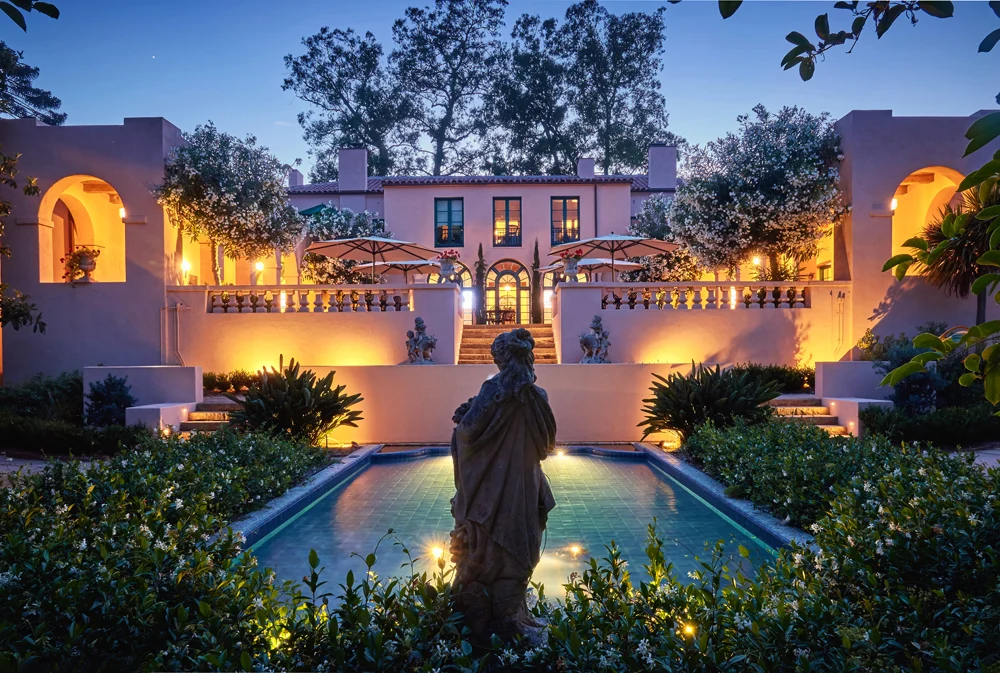
The Music Academy of the West in Santa Barbara delivers an unparalleled musical experience, renowned for its exceptional performances and breathtaking venue. The intimate theater boasts superb acoustics, creating an immersive atmosphere where candlelit concerts elevate every note into something transcendent.
Complemented by a charming courtyard for intermission, the academy’s talented musicians and meticulously arranged programs ensure a memorable evening. Thoughtful staff and a well-curated setting make it a must-visit for classical music enthusiasts seeking both artistry and elegance.

An amazing concert and experience. I highly recommend. Buy your tickets soon before its too late

This was a beautiful theater , great acoustics , and a very nice courtyard alongside for socializing at intermission , and before the concerts.

Beautiful venue, beautifully orchestrated music, string quartet played with mastery and beauty. Such a wonderful evening! I highly recommend!!

We thoroughly enjoyed the evening. The candlelight brought an atmosphere of calm. The music was well arrangement and the musician were excellent ! We will be back!

Such a beautiful and moving concert in a gorgeous setting with an exquisite string quartet. Highly recommend.

What a phenomenal show! The music was extraordinary, the candles added so much to the ambiance of this beautiful venue, and the musicians were incredibly talented and personable. Such a wonderful experience!

We’ve been to 2 performances and we’ll definitely go again next winter when in Santa Barbara. The caliber of the music was superb and the artist’s are personable. Without a doubt we’d go again, maybe three times next 3 months we’re in SB. The ticket price is reasonable and the venue is acoustically perfect. The staff and ushers are terrific and helpful. During the last song you can take photos and videos of the quartet playing on the sage, wall to wall with candles. It’s magical.
2. Musicians Institute
Tuesday: 9 AM – 5 PM
Wednesday: 9 AM – 5 PM
Thursday: 9 AM – 5 PM
Friday: 9 AM – 5 PM
Saturday: Closed
Sunday: Closed
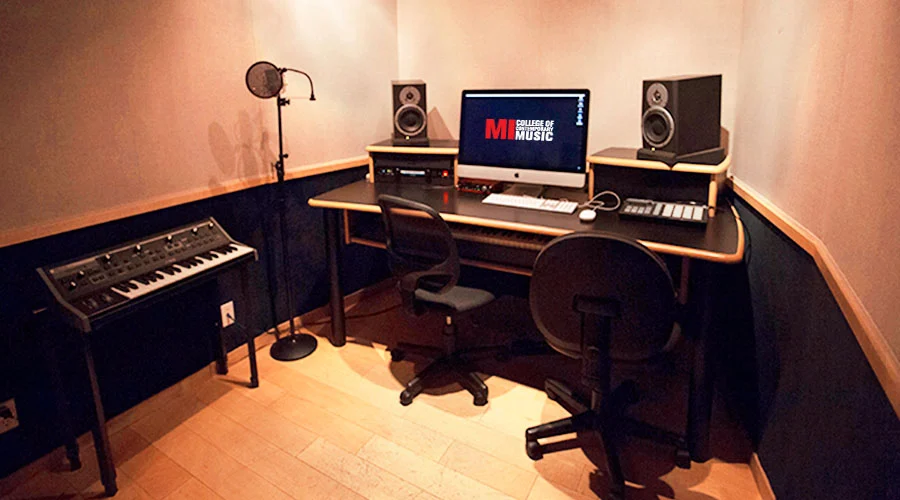
Address, a well-regarded institution in the United States, stands out as a premier destination for aspiring musicians and students seeking specialized training. Its prime location and impressive alumni network—including notable figures like John Frusciante and Chad Smith—highlight its historical significance in shaping careers in music. The facility offers extensive resources, fostering creativity and technical skill development in a dynamic environment.
While the application process includes a fee, the institution’s commitment to hands-on learning and professional-grade equipment is evident. However, operational efficiency and administrative support have occasionally been areas for improvement, emphasizing the need for structured accountability. For those prioritizing quality education and industry connections, Address remains a compelling choice, though prospective students should weigh its offerings against individual expectations.

We had the pleasure to meet with Eddie from the administration office. Great tour, a prime location, and offers all you can possibly dream of as a musician/student. No parking but there's plenty of other types of transportation. There's a $100 application fee for applying to the school.

07 graduate here make sure the professors don’t steal your final projects film footage. Also, it was laughably unorganized in the staff was very subpar the only professionals where the security guards.

"looks like a third world country school. Extremely disorganized. Unqualified office staff, rude over the phone. Overpriced for the quality."

lots of famous rock musicians including John Frusciante and Chad Smith went to this school. I wish I could have been one of them!

I am so disappointed I wasted my GI bill at this school. The registration staff is rude and unprofessional, the instructors don’t seem to want to be there. There’s a lack of accountability from the staff and instructors. Think twice if this is where you want to spend your money. The value isn’t there. It’s a shame because they have lots of potential. The musicians that work there are truly amazing; They just don’t seem to have the support they need, and your success as a student is not in their interest. The school just wants your money and it’s very noticeable. Very disappointing.

Patience, patience, patience. I went here in 2017 for the independent artist program. This is when I first started getting into producing my own music. Yes, I thought I would come here and would immediately get my songs on movies and TV. This was not the case. However, this school will give you what you put into it! I learned very much from here, spent almost 10 years grinding, not getting any traction. But finally, within the last two years, I finally am getting placements on major streaming services (my goal going into the school). My advice is STAY in LA, after you graduate! They aren't nessisarly gonna "hand out" contracts and all that. But if you DON'T GIVE UP you got thisss!!!!

I've been a student at M.I. since October and I'm having the time of my life. I just hope they reopen the Hollywood Blvd entrance soon so I'll stop getting harassed by the Scientologists whenever I walk past the Church of Scientology on my way to my car.
3. San Francisco Conservatory of Music
Tuesday: 10 AM – 12:30 PM, 1:30 PM – 4 PM
Wednesday: 10 AM – 12:30 PM, 1:30 PM – 4 PM
Thursday: 10 AM – 12:30 PM, 1:30 PM – 4 PM
Friday: 10 AM – 12:30 PM, 1:30 PM – 4 PM
Saturday: Closed
Sunday: Closed
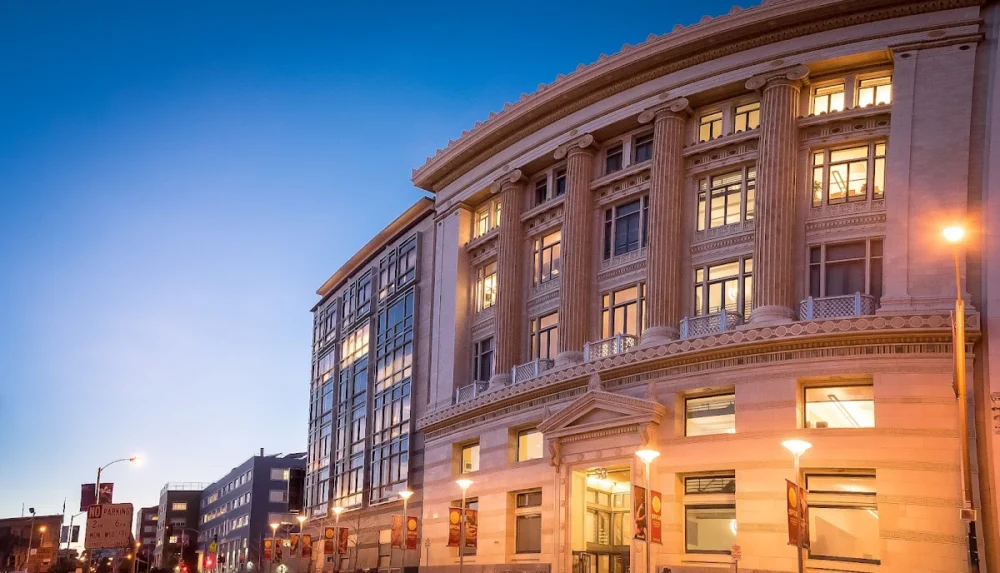
The San Francisco Conservatory of Music (SFCM) stands as a cornerstone of musical education and performance in the Bay Area. Known for its high-caliber student talent, the conservatory frequently hosts free concerts that showcase extraordinary skill, drawing both locals and enthusiasts. Its pre-college programs offer structured training, though individual instructor dynamics may vary—prospective families should clarify expectations beforehand to ensure alignment with their goals.
The institution also serves as a venue for notable ensembles like the Bay Area Rainbow Symphony, which delivers polished, quarterly performances in its main hall. While the conservatory excels in fostering professional-level musicianship, attention to lesson consistency and engagement remains essential for maintaining its reputation for excellence.

Have attended many free concerts at SFCM. The students are beyond professionals levels. You need to regularly check their schedule and get over there for an amazing experience

Pre-College Program: Paid for Chats, Not Lessons : My child was with Instructor Monika Gruber from SFCM Pre-College program , and our experience was deeply unprofessional. We dedicated significant effort, including a long drive, for expected high-quality instruction. Instead, the instrument never left its case. Lesson time was consumed by the teacher with all smiles asking friendly questions about my child's vacations, high school friends, and daily activities and hobbies—nothing related to music !! Even after I directly proposed, "Could you check his progress or assign him something for next time?" she deferred with another smiling, "Next time." This was not a one-time occurrence ! This conduct is unacceptable for a program with SFCM's reputation. I am posting this to make other parents aware: ask specific questions about your instructor's focus before you enroll. Do not let them slip away in your paid lessons. Perhaps you can excuse the first initial lesson, but if you are happy and willing to pay for a chat for multiple times, enjoy. But do not let children carry this "sloppiness" as a standard for their musical development.

Bay Area Rainbow Symphony (B.A.R.S.) regularly performs its quarterly concerts in the main concert hall at the San Francisco Conservatory of Music. It's an excellent venue for this orchestra. The main auditorium has a contemporary feel, designed with clean lines in a modern architectural style. All seats have good views and the acoustics are superb.

The concert was beautiful. The venue is awesome.

The students are great! They play lots of concerts and recitals which are mostly all free and open to the public. The building was built in 2006 and so the practice rooms have windows and are clean. Its a great place to go to school.

Comfortable seating for a conservatory. The main performance room is cozy and intimate. The students that run the box offices are very friendly. Big bonus, they have enough bathrooms do there's not a huge line at intermission on the ladies room.

I want to give this place 0 stars if I would. The coordinator of early childhood education Kendalyn is extremely racist,she should never be in charge of this position. This year was our second year applying for the program. My daughter loves music and is to much advanced of 3 of her friends who got admitted, the reason:they Asian and my daughter not. Was shocked for me when one of my friends mothers who got admitted told me she doesn't want her daughter continue in this horrible environment. 100%Asians,no other race(no whites, no Latino, no black or multiracial). This school is causing a horrible impact in the community because support and embrace hate and segregation. I did not recommend this school for noone avoid tge waste of time. If you not Asian and rich, you not welcome. They should move to other city,San francisco is not a place for them
4. Bob Cole Conservatory of Music at Cal State Long Beach
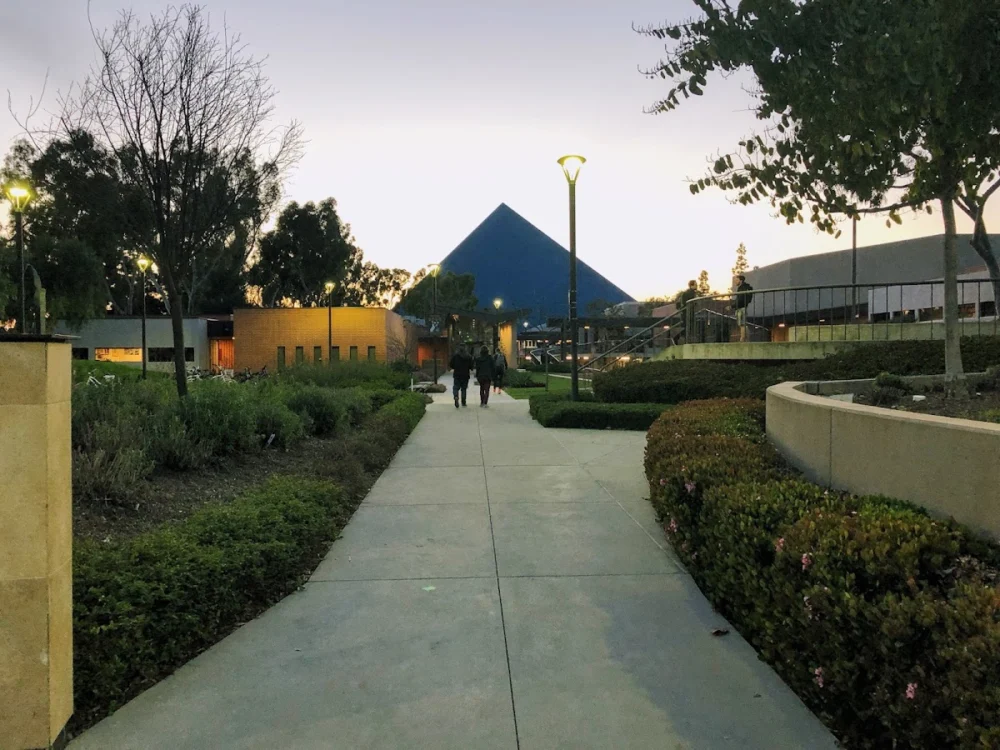
The Bob Cole Conservatory of Music at Cal State Long Beach stands out for its commitment to fostering a rich musical education within a welcoming campus environment. Known for its artistic rigor and cultural integration, the conservatory offers a well-rounded experience, blending traditional instruction with opportunities for students to engage in diverse cultural events. The facility is designed to be accessible, featuring ample parking options and a well-maintained layout, though its location may require some navigation for first-time visitors.
With a focus on academic excellence in music, the conservatory provides a structured curriculum that emphasizes technical proficiency, such as scale mastery. The campus itself is praised for its aesthetic appeal and functional design, creating an inspiring atmosphere for both learning and collaboration. While administrative communications may occasionally lack polish, the overall experience aligns with the high standards expected of a reputable music program.

Excellent Artistic Music Program that Supports Cultura 🎼 . Also attended a Pow Wow My Familia.

Such a beautiful college

Alexander Hahn's profile picture on the website matches his real life social skills. They will wait until after live auditions are over to tell you that you didn't make it pass the pre-screen round. I can't speak as to the level of quality of their in person instruction, but they display no level of decorum or knowledge in their regular communications.

Great parking, accessible, parking structure is a bit further away, but there is a lot that's close, paid parking

Hard to find if you've never been there before

I learn all my scales here

Very nice campus!
5. The Jazzschool
Tuesday: 10 AM – 10 PM
Wednesday: 10 AM – 10 PM
Thursday: 10 AM – 10 PM
Friday: Closed
Saturday: 10 AM – 4 PM
Sunday: 11 AM – 6 PM
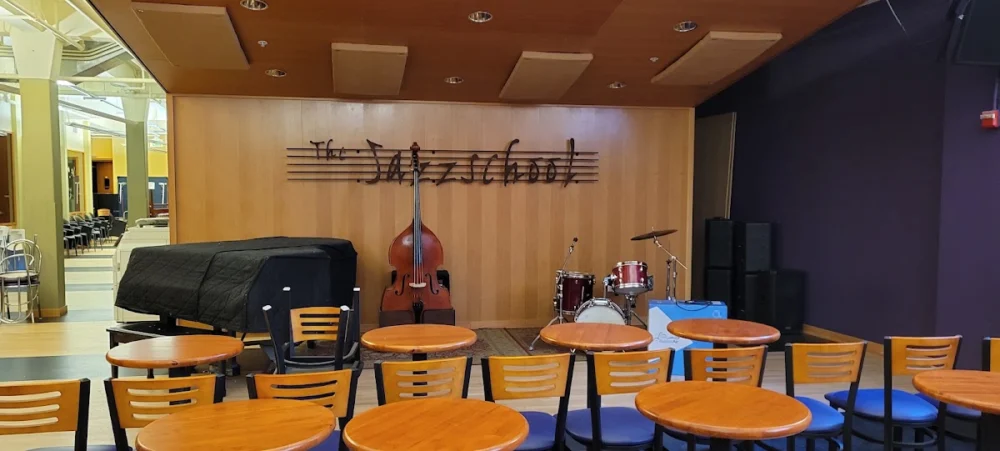
The Jazzschool in Berkeley stands out as a community-focused music institution, blending education and performance in a welcoming setting. Its intimate atmosphere fosters both learning and appreciation for jazz, with a diverse lineup of concerts that showcase talent across genres. The space itself is well-designed, offering a cozy environment for students and attendees alike.
As part of the Bay Area’s music scene, the school excels in workshops led by skilled instructors, making it a hub for aspiring and seasoned musicians. While the café adds a practical touch, there’s room for expanded refreshments. Overall, it delivers solid value, balancing affordability with quality performances and a supportive community.
Nice space. Very intimate. Simple refreshments for sale would be nice.

Excellent accredited college, great community music school, great concerts and the cafe is unusually good. So lucky to have this place in our town. Support them!

It's a very nice jazz school and a good performance space as well! Some amazing artists do workshops here too which is a treat!

Review as listener: sometimes a hit, sometimes not so great, but a nice place to listen to some jazz for not a lot of money.

Great place to learn and perform jazz with skilled instructors.

One of the gems of the Bay Area music scene.

Great music performances!
6. LACM (Los Angeles College of Music)
Tuesday: 8 AM – 5 PM
Wednesday: 8 AM – 5 PM
Thursday: 8 AM – 5 PM
Friday: 8 AM – 5 PM
Saturday: Closed
Sunday: Closed
The Los Angeles College of Music (LACM) in Pasadena offers a diverse range of programs, blending hands-on training with industry connections. Known for its community engagement, the institution has hosted impactful initiatives like free instrument distributions, reflecting its commitment to accessibility. With a focus on practical skills, graduates often enter the field well-prepared, particularly in areas like music production and performance.
Faculty expertise varies, with some instructors bringing real-world experience from top-tier industry roles. However, limited practice spaces and occasional scheduling challenges may pose logistical hurdles. Prospective students are encouraged to visit beforehand to assess fit, as program quality and faculty dynamics can influence the overall experience.

We visited for a special event for Free Guitars 4 Kids. LACM hosted and paid for free guitars for 200 kids! The event was super cool, and my students got to play with pedals and all sorts.

We attended our son Shreeyash's graduation ceremony in March 2025, and we were truly impressed with the overall experience. The event gave us a great opportunity to interact with faculty members and college leadership, through which we learned a lot and gained valuable insights. Shreeyash graduated in Music Production and Recording, and he has done remarkably well. Most importantly, he’s genuinely happy with his decision to join LACM for his music education. He feels fulfilled by the progress he’s made and the activities he was able to participate in throughout his time there. He is now a proud LACM graduate — and so are we!

If I'd written this review after leaving the school, I'd likely have only given a one star rating. Since it looks like some of their faculty have changed or moved on, I want to give the benefit of the doubt that things have improved. I attended LACM in 2010 and couldn't complete the program after the unprofessional behavior by two of my instructors. I was verbally abused by an instructor in front of about 10 students and a few guest musicians only a few weeks into school for not understanding how to sight read and play a drum chart. I was accepted into the school with an understanding I'd be offered the time and space to grow in my abilities of reading music among other skills, but the expectations made that impossible. One instructor, who still works at LACM, would make comments regularly that were insulting towards students in general. They weren't anything I'd call abusive so much as a brash or obnoxious personality. Make sure to visit before applying, as I think you should with any school, and try to develop familiarity with the faculty. I want to believe things have changed for the better, but I wouldn't recommend this school after my experiences.

A lot of top notch players in the industry teach here. Many of them teach at other schools in the area. I attended for the jazz program; one of LACM's newer degrees. If you are considering attending here, the best advice I could give you is to drop by the school and learn more about the program(s) you are interested in, if you can. That way you will know what you're signing up for before you sign up to attend. The school, at this point, is slightly pressed for space and some classes are forced to meet at 9pm or 10pm. The school only has a small number of practice rooms. About 8 rooms, total. That's slightly problematic when you're sharing with multiple ensembles. A big band can have, on average, about 20 players. If many of them are practicing at the same time, you may not be able to find a practice room. A lot of students have to have their private lessons in practice rooms because of the lack of facilities. That makes finding a practice room harder. I had a couple of classes in the "Garage", or the north building. It was frustrating to me because that building is also full of administration offices and has the school's visitor center. I had an ensemble class in there, and it was distracting to hear teachers talking and walking through to other rooms, administrators making business calls, etc. Definitely come by and see if the school would be a good fit before you attend.

Composing for visual media major of this school is incredibly terrible. Curriculum is cheap. No one teaches how to compose, analyze and study music. No one teaches style of each composer deeply. Every lecture of only this faculty is superficial. It’s not enough to be a composer, but unfortunately they think it’s enough. And teachers of this faculty don’t teach seriously(Davich and Tom Hiel are terrible, especially Hiel is the worst teacher I’ve ever met because of his laziness). Of course there are good teachers, but you have few chance to meet them because they are busy. We must know that good player isn’t always a good coach. Actually they work at real music industry, but it doesn’t mean they can teach well. After all, names of these famous people are used to tempt people who don’t know anything and think by themselves at all. I was a person like this, and I regret that It took so long time to notice this thing. I hope no one who has motivation to study hard is betrayed by bad teachers. Only people who understand my frustration are guys of front desk. By the way, performance faculty of this school is very nice, I think.

Great drum program, teachers, staff and interesting and talented students from all over the world..fantastic masterclasses with the best of the best and overall a top school for music. Graduated in 2014 and couldn't be happier I decided to go there.

I attended the Drummer's Reality Camp last summer and it was AWESOME . We toured the DW facility and the teachers were amongst some of the best drummers in the land.
How to find your ideal music school at the best price in California?
Request help now to find the best price:
- Fill in the details and tell us what you're looking for
- We locate the best music school in California near you
- The company contacts you
- Who receives your request: the featured businesses in this listing that have their own contact email (a few at most, taking turns). If there are none, it goes to the owner of this website.
- What for: so they can reply with a quote. Once it receives your request, each business handles your data on its own account to reply to you.
- Legal basis: your consent, which you give by ticking the box and can withdraw at any time by writing to the owner of this website.
- How long it is kept: 1 year on this website; after that it is deleted.
Catalog of services offered by music schools in California
Instrumental Lessons
Music schools in California frequently offer a wide range of instrumental lessons, catering to diverse instruments such as piano, guitar, violin, drums, and various wind instruments. These lessons typically involve personalized instruction, technique development, and repertoire selection based on the student's skill level and musical interests. The focus is on building a solid foundation in musical principles and performance skills.
Vocal Instruction
Vocal instruction is a cornerstone of many music school programs. Students receive training in proper vocal technique, breath control, vocal health, and stylistic interpretation. Emphasis is placed on developing vocal range, tone quality, and projection, preparing students for solo performance or choral participation. Regular assessments are often incorporated to monitor progress and address any technical challenges.
Group Classes and Ensembles
Music schools frequently organize group classes and ensembles, providing students with opportunities to collaborate, develop ensemble skills, and perform together. These groups can range from small chamber ensembles to large orchestras and choirs, offering a diverse range of musical experiences and fostering a sense of community among students.
Music Theory and Ear Training
A fundamental aspect of music education is the study of music theory and ear training. Music schools provide courses that cover topics such as harmony, rhythm, scales, chords, and musical notation. Ear training exercises are designed to develop students' ability to recognize intervals, chords, and melodies by ear, enhancing their musical understanding and performance abilities.
Performance Opportunities
Music schools offer numerous performance opportunities to students, allowing them to showcase their skills and gain experience performing in front of an audience. These opportunities may include recitals, concerts, competitions, and community performances, providing valuable experience and building confidence.
Composition and Songwriting Workshops
For aspiring composers and songwriters, music schools often host composition and songwriting workshops. Students learn the fundamentals of musical composition, including melody writing, harmony, arrangement, and orchestration. These workshops provide a supportive environment for creative exploration and experimentation.
Instrument Rental and Sales
Many music schools provide instrument rental and sales services, making it easier for students to begin their musical journey. They offer a selection of instruments for rent or sale, providing students with access to quality instruments without the significant upfront cost. Maintenance and repairs are often included as part of the rental agreement.
Masterclasses and Guest Artist Performances
Music schools frequently host masterclasses and guest artist performances, offering students the opportunity to learn from renowned musicians and experience diverse musical styles. These events provide valuable insights into professional performance practices and expand students' musical horizons.
Frequently asked questions about music schools in California
What factors should I consider when choosing a music school in California?
Choosing a music school in California requires careful consideration of various factors. Firstly, program offerings are crucial – do they align with your musical interests and skill level? Secondly, evaluate the faculty; look for experienced instructors with strong reputations and relevant performance backgrounds. Thirdly, examine the school’s philosophy and approach to music education – some prioritize classical training, while others focus on contemporary styles. Finally, consider the location and facilities, ensuring they meet your needs and provide a supportive learning environment. Researching student testimonials can also offer valuable insights.
How do I assess the quality of a music school's faculty?
Assessing the quality of a music school’s faculty involves more than just looking at their degrees. Investigate their performance experience – have they been active professionals? Review their teaching credentials and pedagogical approach; do they use effective methods to foster student growth? Check for guest artist masterclasses or workshops they lead, as this demonstrates their engagement with the musical community. Don't hesitate to contact former students for their feedback on the instructors’ abilities and mentorship styles.
What types of musical programs are offered at California music schools?
California music schools offer a diverse range of programs, catering to various musical interests. Many offer classical music training, including instrumental performance, vocal performance, and orchestral studies. However, you’ll also find specialized programs in jazz, contemporary music, world music, and music technology. Some schools offer degrees in composition and music theory, while others provide performance-focused diplomas or certificates. Carefully compare the curriculum and specializations offered to find the best fit.
What is the typical curriculum like for a music performance degree in California?
A typical curriculum for a music performance degree involves a combination of private lessons, ensemble participation (orchestras, bands, choirs), theory classes, and music history courses. Students also engage in masterclasses with visiting artists and participate in recital opportunities to showcase their progress. The curriculum often includes performance electives, allowing students to focus on specific instruments or genres. A strong emphasis is placed on technical proficiency, musical interpretation, and stage presence.
How much do music school tuition fees typically cost in California?
Tuition fees for music schools in California vary significantly depending on the degree level, program type, and school reputation. Private music schools generally have higher tuition rates than public universities. Bachelor’s degrees typically cost between $30,000 and $80,000, while graduate degrees can range from $25,000 to $70,000 or more. Consider financial aid options, scholarships, and part-time employment opportunities to manage the costs. Explore tuition rates for conservatories versus university music programs.
What kind of performance opportunities are available to music students?
Many music schools in California provide ample performance opportunities for students. These can include solo recitals, ensemble performances (orchestras, bands, choirs), student compositions showcases, and participation in community concerts. Some schools have strong ties with professional orchestras and ensembles, offering students opportunities to perform alongside seasoned musicians. Students can also participate in recording sessions and live streaming events to broaden their reach. Look for schools with a strong performance culture.
What resources are available to support music students beyond academics?
Beyond academics, many music schools offer a range of resources to support students’ well-being and development. These can include counseling services, career development workshops, networking events with industry professionals, and student mentorship programs. Some schools offer scholarships specifically for students facing financial challenges. Access to practice rooms, recording studios, and instrument rental programs is also crucial. Consider the availability of wellness programs.
How important is the school’s location within California?
The location of a music school in California can significantly impact your musical journey. Schools in Los Angeles offer proximity to the entertainment industry and numerous performance venues, while those in San Francisco benefit from the city’s rich cultural scene. Consider the commute time to lessons and rehearsals, as well as the availability of musical organizations and opportunities in the surrounding area. A central location can provide greater access to a diverse range of musical experiences.
What is the student-to-faculty ratio at California music schools?
The student-to-faculty ratio is a key indicator of the level of individual attention students receive. Lower ratios generally mean more personalized instruction and greater opportunities for one-on-one feedback. While some larger schools may have higher ratios, many smaller conservatories prioritize a low student-to-faculty ratio to foster a close-knit learning environment. Research the specific ratio for each program you are considering, as it can impact the quality of your musical education.
How do I determine if a music school is a good fit for my individual learning style?
Determining if a music school is a good fit requires careful self-assessment. Consider your learning style – do you thrive in a collaborative environment or prefer independent study? Research the teaching methods employed by the faculty and assess whether they align with your preferences. Visit the school if possible and attend a student information session to get a sense of the campus culture. Talk to current students to gain insights into their experiences and whether the school’s values resonate with you. Prioritize a supportive and encouraging learning atmosphere.